- English
- French
- German
- Portuguese
- Spanish
- Russian
- Japanese
- Korean
- Arabic
- Greek
- German
- Turkish
- Italian
- Danish
- Romanian
- Indonesian
- Czech
- Afrikaans
- Swedish
- Polish
- Basque
- Catalan
- Esperanto
- Hindi
- Lao
- Albanian
- Amharic
- Armenian
- Azerbaijani
- Belarusian
- Bengali
- Bosnian
- Bulgarian
- Cebuano
- Chichewa
- Corsican
- Croatian
- Dutch
- Estonian
- Filipino
- Finnish
- Frisian
- Galician
- Georgian
- Gujarati
- Haitian
- Hausa
- Hawaiian
- Hebrew
- Hmong
- Hungarian
- Icelandic
- Igbo
- Javanese
- Kannada
- Kazakh
- Khmer
- Kurdish
- Kyrgyz
- Latin
- Latvian
- Lithuanian
- Luxembou..
- Macedonian
- Malagasy
- Malay
- Malayalam
- Maltese
- Maori
- Marathi
- Mongolian
- Burmese
- Nepali
- Norwegian
- Pashto
- Persian
- Punjabi
- Serbian
- Sesotho
- Sinhala
- Slovak
- Slovenian
- Somali
- Samoan
- Scots Gaelic
- Shona
- Sindhi
- Sundanese
- Swahili
- Tajik
- Tamil
- Telugu
- Thai
- Ukrainian
- Urdu
- Uzbek
- Vietnamese
- Welsh
- Xhosa
- Yiddish
- Yoruba
- Zulu
Choosing an Area Rug For Your Living Room
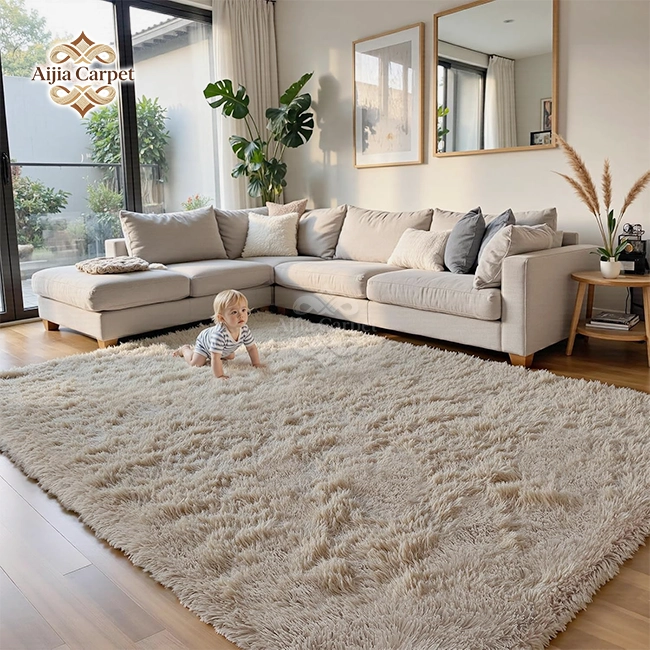
If you choose the right area rug, you can make any Indoor Rugs For Living Room living room look amazing. Indoor rugs in the living room do more than just look nice; they block out noise, define sitting arrangements, protect floors, and keep your feet warm. It's very important to know the rug specs, whether you're decorating a business reception area, a hotel lobby, or a home. The best choice strikes a balance between how it looks and practical issues like how long it will last, how much care it needs, and your budget. This guide shows you the important things that buyers, sellers, and distributors need to think about when they're looking for living room rugs that meet both practical and aesthetic needs.
Understanding the Importance of Indoor Rugs in Living Rooms
Acoustic and Thermal Benefits
By absorbing background noise and reducing echo, living room rugs make the room much more comfortable to be in. This is especially true in rooms with hard floors and few soft furnishings. This ability to block out noise makes it easier to talk in business settings like hotel bars or office reception areas. When it comes to heat, rugs act as a shield between cold floors and people walking on them. This keeps rooms warmer in the winter and saves energy.
Influence on Brand Perception
How customers and guests feel and see the quality of an interior carpet has a direct effect on how well they think the brand pays attention to detail. High-quality materials, like fake cashmere with a dense pile, show that you are professional and care about your work. On the other hand, low-quality or poorly kept materials show that you are trying to save money. Businesses like hotels, business offices, and high-end stores can get a lot out of buying rugs that match their brand.
Common Procurement Challenges
There are three main issues that buyers always have trouble with: choosing materials that will last under heavy foot traffic without wearing out too quickly; setting realistic upkeep schedules that will keep the look over time; and weighing the initial investment against the long-term value. A lot of procurement managers are also under a lot of pressure to find goods that are safe and meet regional standards while staying within their budgets.
How to Choose the Perfect Area Rug for Your Living Room
Material Selection Based on Usage Intensity
Different types of traffic can be handled by different types of materials. Synthetic options, such as polyester fibre, are great for high-traffic business settings because they don't stain or fade easily. The fake cashmere surface feels great to the touch, just like real cashmere, but it lasts longer and is easy to clean. When looking at different sources, make sure to ask for samples that show the exact gram weight and pile density, as these are directly related to how long the fabric will last.
Durability Metrics That Matter
Professional buyers should look for rugs that are made with Living Room Interior Rugs stronger materials. Edge-locking methods used on machine-woven goods keep the shape of items even after years of use and prevent fraying. The backing material is also very important. TPR thermoplastic rubber bases stay non-slip on both tile and wooden floors and can be washed, which is a big plus over latex options that break down when they get wet. Products with a 1000g/ gram weight are made of strong materials that won't bend or stretch and will keep their look.
Size Compatibility and Design Alignment
By correctly measuring space, you can avoid ordering mistakes that cost a lot of money. Living room rugs should extend at least 18 inches past the edges of furniture to make the room look better as a whole. But this can be different based on the room's size and how you like to set things up. Customisation is very helpful for projects that need accurate measurements, a brand's logo to be added, or colours that match current design styles. When suppliers let buyers try out goods before placing a large order, this is called flexible minimum order numbers.
Evaluating Supplier Reliability
People who work in buying can benefit from looking at how much a company can make and how they control quality. Facilities that can make 10,000 square meters per day show that they can make more or less, based on what they need right now and what they want to make in the future. Internationally recognised certifications, like OEKO-TEX, ISO 9001, REACH compliance, and EN 1350 flame retardant ratings, show that safety standards are met and output is consistent. This is important proof that the goods can get through customs and meet customer wants.
Comparing Popular Indoor Rug Types and Materials for Living Rooms
Synthetic Versus Natural Fiber Considerations
Polyester fibre mats are most often used in businesses because they are solution-dyed, which locks the colour at the molecular level and keeps it from fading from UV light or chemical cleaners. Wool and other natural materials are naturally resistant to fire and have a luxurious feel, but they cost more and need more care. Cotton is soft and breathable, but it doesn't last long enough for areas with a lot of foot traffic. The 350g/⎡ polyester used to make the fake cashmere surface is the perfect compromise—it has the soft, smooth feel of real cashmere while still having the useful benefits of synthetic construction. This material doesn't pill, keeps its colour vibrancy even after being washed many times, and rebounds from compression better than natural alternatives.
Functional Construction Styles
The height of the pile has a big effect on both how it looks and how much care it needs. Short-pile designs with 3mm piles trap less dust and dirt, which makes cleaning and drying faster after washing easier. This style of building works especially well in places that put a high value on cleanliness, like waiting rooms for medical care or places where people gather to celebrate. The 5mm total thickness is still light enough to keep doors from getting stuck and gives your feet enough padding. Flat-weave fabrics last longer in areas with a lot of foot traffic, but they are less comfortable. Plush, higher-pile options create luxurious sensory experiences that are perfect for VIP bars or executive office spaces, but they need to be professionally cleaned more often to keep up their good looks.
Specialized Performance Features
Non-slip backing systems keep floors from shifting in ways that could be risky for Living Room Interior Rugs. This is an important safety feature that also lowers liability concerns in business settings. The washable TPR base keeps its strong grip force through multiple cleaning processes without breaking down. This is different from cheaper options that lose their ability to stick over time. Stain-blocking treatments that are used during production make walls that keep liquid spills from soaking in, so they can be cleaned up right away. In places where food and drinks are served or where pets are allowed, these traits are especially useful.
Sustainability Certifications
More and more, corporate social responsibility programs affect choices about what to buy. OEKO-TEX Standard 100 approval makes sure that textiles don't contain any harmful materials and pass strict testing procedures for all parts, such as dyes and other materials used in the production process. REACH compliance makes sure that chemicals are safe according to rules set by the European Union. This paperwork makes it easier to get goods through customs when sending to more than one country. These certifications show that the maker cares about the environment and keeps end users safe from possible health risks.
Sizing, Style, and Design Trends to Match Your Living Room Aesthetic
Practical Size Guidelines
Room dimensions dictate appropriate rug proportions. The standard recommendation suggests selecting carpets that leave 12-18 inches of exposed flooring around perimeters, creating framed visual boundaries that make spaces feel intentionally designed rather than randomly furnished. Seating arrangements guide placement—all front furniture legs should rest on the rug surface to establish cohesive groupings. Measuring techniques should account for doorway clearances, ensuring the total thickness won't impede door operation.
Current Design Preferences for 2024
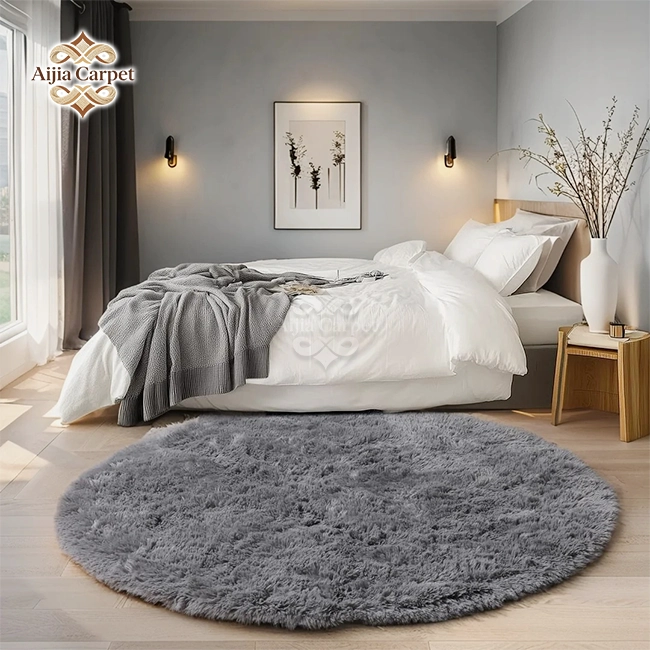
Neutral color palettes continue dominating commercial applications due to their versatility and timeless appeal, though accent colors increasingly appear in hospitality environments seeking to establish memorable brand identities. Geometric patterns provide visual interest without overwhelming spaces, while subtle textural variations add sophistication through tactile rather than chromatic contrast. Large-format rugs that minimize visible seams create cleaner aesthetics in expansive lobbies and reception halls.
Customization Advantages
Tailored rug solutions enable differentiation in competitive markets. Heat transfer printing technology supports unlimited pattern options, allowing brands to incorporate logos, custom graphics, or proprietary color schemes that reinforce corporate identity. Laser cutting capabilities produce precise dimensions and even irregular shapes that fit challenging architectural features. These customization options prove particularly valuable for chains requiring consistent branding across multiple locations or Living Room Indoor Carpets distributors developing private-label product lines that distinguish their offerings from competitors.
Maintenance, Cleaning, and Procurement Logistics for Indoor Rugs
Material-Specific Care Protocols
Short-pile synthetic rugs simplify maintenance routines through machine-washable construction that tolerates both home washing machines and commercial cleaning equipment. The 3mm pile height combined with polyester fiber composition enables quick drying—typically under four hours in ambient conditions—minimizing operational disruptions. Regular vacuuming removes surface debris before particles embed into pile structures, extending intervals between deep cleaning sessions. Spot treatment using mild detergents addresses isolated stains without requiring full rug washing, though the material's inherent stain resistance often allows simple water wiping for recent spills.
Professional Versus In-House Maintenance
Commercial environments benefit from establishing clear maintenance schedules that balance appearance preservation with labor costs. Low-pile synthetic rugs with non-slip washable bases enable in-house staff to handle routine cleaning using standard equipment, reducing reliance on expensive professional services. However, annual professional deep cleaning using truck-mounted extraction systems removes accumulated soil that regular vacuuming misses, revitalizing appearance and extending product lifespan.
Procurement Logistics Considerations
For ordering to work well, there needs to be clear communication about requirements, delivery times, and quality standards. Suppliers who offer both PE bag and carton packing options give customers choices based on how the goods will be stored and how they can be handled at the final destination. When you import a lot of things, folding rugs away takes away the worry of them getting wrinkled and makes the best use of container space, which saves you money. Rapid project turnarounds are possible with production sites that can finish orders under 2,000 square meters in seven days. However, bulk orders should take into account lead times for manufacturing and shipping to other countries. Clearing customs is easier when there is clear paperwork like product specifications, compliance certificates, and inspection reports. Manufacturers who focus on exports and know what the requirements are for the final market provide correctly formatted business invoices, packing lists, and certificates of origin that keep shipments from being delayed, which costs a lot of money.
Budget Analysis Across Price Tiers
Cost-performance evaluation extends beyond initial purchase price to encompass total ownership expenses. Lower-priced options may require frequent replacement due to accelerated wear patterns, ultimately costing more than initially investing in higher-quality alternatives. The 1000g/㎡ gram weight and machine-woven construction with locked edges represent mid-to-upper tier specifications that balance affordability with longevity—typically lasting three to five years under moderate commercial use compared to budget alternatives requiring replacement within 12-18 months.
Conclusion
When choosing the right carpet for your living room, you need to think about Living Room Indoor Carpets both how it looks and how well it works. The types of materials used, the way they are put together, and the skills of the seller all affect how well rugs will last over time and whether they will disappoint by wearing out too quickly. The fake cashmere surface and washable TPR backing are great examples of modern textile engineering that give you great tactile experiences without sacrificing durability or ease of upkeep. Professionals in charge of buying things should give more weight to suppliers who can show that they have the production capacity, quality certifications, and customisation options that can meet the needs of a wide range of projects in different foreign markets.
FAQ
1. What materials work best for high-traffic commercial living rooms?
Synthetic polyester fiber constructions with dense machine weaving provide optimal durability for commercial applications. The short-pile design resists matting while the non-slip TPR base maintains stability under constant foot traffic. These specifications outperform natural fibers in retention of appearance and cleaning simplicity.
2. How do I determine the correct rug size for large reception areas?
Measure the seating arrangement rather than just room dimensions. All front furniture legs should rest on the rug surface, with at least 12 inches of rug extending beyond furniture edges. This creates visual cohesion while ensuring the carpet adequately defines the functional space.
3. Are eco-friendly certified rugs worth the investment?
OEKO-TEX and REACH certifications verify the absence of harmful chemicals while demonstrating corporate responsibility—factors increasingly important to end clients. These certifications also streamline international customs clearance, potentially offsetting any premium through reduced regulatory complications and broader market access.
Partner With Aijia for Reliable Indoor Rugs For Living Room Supply
Tianjin Aijia Carpet Co., Ltd. brings two decades of specialized Indoor Rugs For Living Room manufacturing experience to distributors, importers, and e-commerce sellers seeking dependable indoor rugs for living room supplier partnerships. Our facility produces 10,000 square meters daily, supporting both urgent project deadlines and ongoing bulk replenishment cycles. The imitation cashmere polyester construction with washable TPR backing meets international safety standards, including CE, OEKO-TEX, ISO 9001, REACH, and EN 1350 certifications—documentation that simplifies your customs clearance processes across multiple markets.
We accommodate flexible minimum order quantities while offering full OEM and ODM customization through heat transfer printing and laser cutting technologies. Contact our team at sales@aijiarug.com to discuss your specific project requirements, request samples demonstrating our quality standards, or explore volume pricing structures tailored to your procurement cycles.
References
1. Smith, J. & Anderson, M. (2023). Commercial Flooring Selection for Hospitality Environments. Interior Design Publishing House.
2. Chen, L. (2024). "Synthetic Fiber Advances in Textile Manufacturing." Journal of Applied Textile Technology, 18(2), 145-162.
3. Robertson, K. (2023). Procurement Strategies for Building Materials: A Global Perspective. Construction Industry Press.
4. European Union Standards Committee (2024). REACH Compliance Guidelines for Textile Imports. Brussels: EU Publications Office.
5. Williams, T. & Garcia, R. (2023). "Acoustic Performance of Soft Flooring Materials in Open-Plan Offices." Building Acoustics Quarterly, 31(4), 289-304.
6. International Association of Textile Distributors (2024). Global Market Trends in Commercial Carpeting. Geneva: IATD Research Division.
Request fast quotes for bulk carpets, OEM & ODM floor mats, supported by strict quality control and complete supply chain.