- English
- French
- German
- Portuguese
- Spanish
- Russian
- Japanese
- Korean
- Arabic
- Greek
- German
- Turkish
- Italian
- Danish
- Romanian
- Indonesian
- Czech
- Afrikaans
- Swedish
- Polish
- Basque
- Catalan
- Esperanto
- Hindi
- Lao
- Albanian
- Amharic
- Armenian
- Azerbaijani
- Belarusian
- Bengali
- Bosnian
- Bulgarian
- Cebuano
- Chichewa
- Corsican
- Croatian
- Dutch
- Estonian
- Filipino
- Finnish
- Frisian
- Galician
- Georgian
- Gujarati
- Haitian
- Hausa
- Hawaiian
- Hebrew
- Hmong
- Hungarian
- Icelandic
- Igbo
- Javanese
- Kannada
- Kazakh
- Khmer
- Kurdish
- Kyrgyz
- Latin
- Latvian
- Lithuanian
- Luxembou..
- Macedonian
- Malagasy
- Malay
- Malayalam
- Maltese
- Maori
- Marathi
- Mongolian
- Burmese
- Nepali
- Norwegian
- Pashto
- Persian
- Punjabi
- Serbian
- Sesotho
- Sinhala
- Slovak
- Slovenian
- Somali
- Samoan
- Scots Gaelic
- Shona
- Sindhi
- Sundanese
- Swahili
- Tajik
- Tamil
- Telugu
- Thai
- Ukrainian
- Urdu
- Uzbek
- Vietnamese
- Welsh
- Xhosa
- Yiddish
- Yoruba
- Zulu
Everything You Need to Know about Jute Indoor Door Mat
A jute indoor door mat represents an innovative fusion of sustainability and practicality in entrance flooring solutions. While traditional jute fibers come from the Corchorus plant, modern commercial-grade options frequently use imitation sisal materials that replicate jute's natural texture while offering enhanced performance characteristics. These mats serve dual purposes: capturing particulate matter before it spreads throughout facilities and absorbing moisture to prevent slip hazards. What distinguishes contemporary jute-style mats is their integration of advanced backing systems like TPR (Thermoplastic Rubber) and stain-resistant treatments, transforming a naturally appealing material into a high-performance entrance solution suitable for hotels, offices, retail environments, and commercial projects where appearance and functionality both matter.
What Is a Jute Indoor Door Mat and Why Choose It?
Understanding Modern Jute-Style Construction
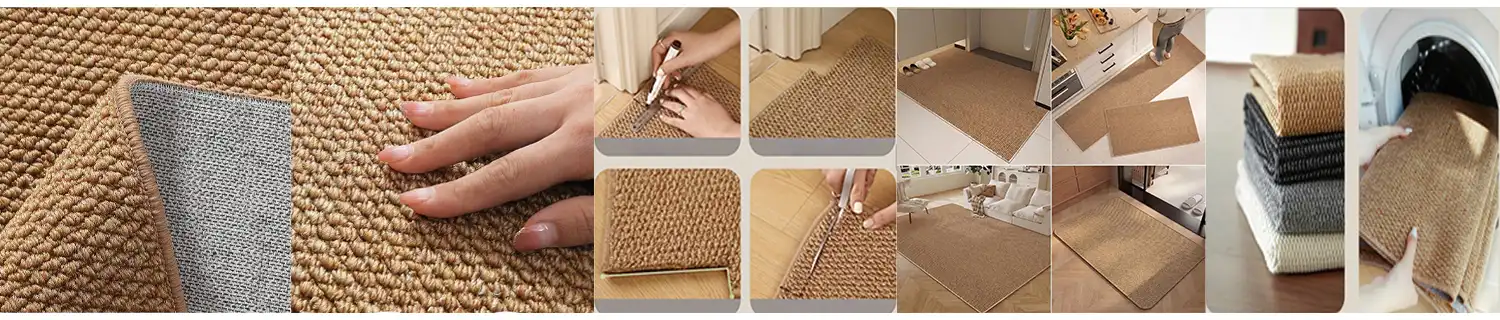
Commercial jute-style door mats today often use fake sisal made from polyester fibres. These are designed to look and feel like real jute while getting around its traditional problems. This advanced building method makes quality control easier, which can be hard to do with organic fibres because they vary from batch to batch. The high-density machine weaving process makes a surface that is 1 cm thick and can handle daily foot traffic in a number of places.
In contrast to natural jute, which can break down when wet, manufactured fake sisal stays strong even when it's wet. Because of the way the material is made, producers can treat it to make it resistant to stains during production. This solves one of the main problems that B2B buyers have with natural fibre goods. At 1000 grams per square metre, these mats are the perfect weight for finding the best mix between a solid feel and ease of use when installing or moving them.
Performance Benefits That Matter to Procurement Professionals
Distributors and shippers look at entrance mat options and focus on how reliable the mats are in a range of weather conditions and usage trends. These problems can be solved by modern jute-style mats that are waterproof and have TPR washable bases that don't break down like cheap PVC or rubber options do. The TPR backing stops the plasticiser from moving around, which can damage luxury vinyl plank flooring. This is an important thing for business property managers to think about.
The surface is tough and won't tear or scratch easily. This makes it perfect for pet-friendly hotels and apartment complexes where regular mats wear out quickly. Fraying is a common problem that shortens the life of a product. Edge-locking technology with a 0.6 cm safe edge stops it. Because it lasts longer, it costs less to repair and needs less upkeep, which are both important factors in figuring out the total cost of ownership.
Environmental Considerations Without Performance Compromise
Even though they aren't made of only organic materials, good jute-style mats still help with sustainability goals because they are made of recyclable polyester and don't use any harmful chemicals. Meeting the requirements for OEKO-TEX certification makes sure that products are safe, which helps facility managers meet the growing demands for corporate social responsibility. Because these mats can be washed in a machine, they last longer than throwaway ones, which cuts down on waste.
Comparing Jute Indoor Door Mats with Other Door Mat Options
Material Performance Analysis
When you compare jute-style mats to rubber mats, you can see that the Jute Indoor Door Mat is clearly better for indoor use. Rubber mats work great in heavy-duty industrial settings, but they often leave behind strong smells and marks on finished floors. Jute-style choices like the Jute Indoor Door Mat look better in places like office hallways and hotel entrances where how something looks affects how people think about a brand.
When you compare them to coir mats, you can see how the different textures affect the user experience. The rough bristles on coir scrub hard, but they can be uncomfortable in places where people walk barefoot, like front doorways. Imitation sisal's tighter weave effectively traps dirt without having a rough surface, so it can be used in areas with a mix of activities. When it comes to maintenance, coir mats need to be put outside to shed dirt, but TPR-backed jute-style mats can be vacuumed or washed in a machine indoors.
Safety and Backing Technology Evaluation
Slip resistance is an important feature where the technology behind the backing affects how well it works in real life. Modern jute-style mats have a TPR base that has friction factors higher than 0.6 COF on smooth surfaces, which meets safety standards for business settings. Unlike adhesive backings, which lose their stickiness over time, this non-slip property stays the same after multiple washings.
Standardising the thickness at 1 cm makes sure that it fits through doors and gives you enough support for comfort while standing. This size keeps the mats from being too thick and tripping risks at the same time, keeping enough material to lay flat without curling, which is a common problem with thinner mats. The design that folds up makes it easier to store during changes in seasons or when you need to do a lot of cleaning.
How to Maintain and Care for Jute Indoor Door Mats
Cleaning Protocols for Extended Lifespan
Regular cleaning is the first step in routine maintenance because it gets rid of surface dirt before it gets into the fibre structure. The treatment that makes it resistant to stains lets you clean up spills with mild detergent solutions instead of special products. When a deeper clean is needed, the TPR removable base lets you wash these mats in the washing machine on gentle runs. This is different from natural fibre mats, which need to be cleaned by a professional.
To keep the fibres intact and the backing from coming loose, the washing temperature should stay below 30°C. Mildew grows on traditional jute in humid climates, but air drying in well-ventilated areas stops it from happening. Polyester fibres dry quickly, so mats can be used again in hours instead of days. This keeps high-traffic entrances from being interrupted as little as possible.
Preventive Care Strategies
Placing the mats correctly, away from standing water, and making sure there is enough airflow around the sides will help keep mould from growing. Moving mats to different places lets them dry completely between uses, which is especially helpful in seaside or warm areas. When keeping mats between seasons, rolling them instead of folding them keeps them from creasing, which can weaken the backing link over time.
When the edge-locking border is checked as part of regular maintenance, early signs of wear are found before the whole thing breaks. The 0.6 cm strengthened edge can handle normal use, but methods for protecting the edge may be needed for heavy wheeled traffic. If you fix small fraying right away with fabric glue, the mat will last a lot longer than if you wait until the damage spreads.
Guide to Procuring Jute Indoor Door Mats for Your Business
Specification Requirements for Bulk Orders
A successful buying process for Jute Indoor Door Mats starts with clear measurement needs that are in line with how the entrances are set up. Standard sizes work for most door widths, but custom sizes get rid of gaps that let dirt get through, which defeats the mat's main purpose. Giving accurate measures when placing the first order stops trimming or returns from being wasteful. Consistency in thickness is just as important, since even small differences can cause people to trip when mats are installed next to each other in vestibules.
Quality problems that happen in international supply chains can be avoided by backing up material confirmation. By requiring TPR backing instead of generic "rubber" backing, product performance is guaranteed to meet specifications. A good way to tell if a mat is of good quality is by its weight per square meter. Mats that weigh less than 900g/m² usually have lower fibre density, which speeds up wear patterns.
Evaluating Supplier Capabilities and Certifications
Certification portfolios show how committed a company is to meeting foreign standards. CE marking shows that the product is safe for the EU market, and OEKO-TEX certification shows that the product has been tested for chemical safety. Both are necessary for distributors who work with regulated markets. ISO 9001 approval means that quality management is done in a planned way, which cuts down on variation between batches that makes managing goods more difficult. Documentation for REACH compliance speeds up the customs clearance process in the European Union.
During busy ordering times, production capacity has a direct effect on how reliably deliveries happen. Manufacturers who can make 10,000 square meters per day can meet urgent needs for restocking without sacrificing quality control. It doesn't matter what kind of inspection is done; 100% pre-shipment inspection finds problems before they become expensive chargebacks or customer complaints. By asking about failure rates and guarantee terms, you can see how well the product actually works in the field compared to what the company says it can do.
Logistics and Lead Time Management
Export-standard packaging keeps goods safe during shipping across continents and makes the best use of containers. When compared to flat-packed options, roll packaging reduces dimensional waste the most, which directly lowers the cost of freight per unit. When crush protection is more important than space economy, carton packing is the way to go for smaller orders or mixed-container shipments. Knowing a supplier's goods forwarding connections helps you figure out when deliveries will actually happen. ETAs are usually more accurate when you work with established logistics providers instead of spot-market carriers.
Minimum order amounts that are flexible can be used for both one-time test sales and larger production runs. Buyers are responsible for the inventory risk of suppliers who require large MOQs, while suppliers who offer different prices for different order sizes show that they are flexible and care about their customers. Sample turnaround time shows how responsive production is; 24- 48-hour sampling shows that operations are efficient and can meet tight project deadlines.
Top Brands and Market Trends in Jute Indoor Door Mats
Identifying Reliable Manufacturing Partners
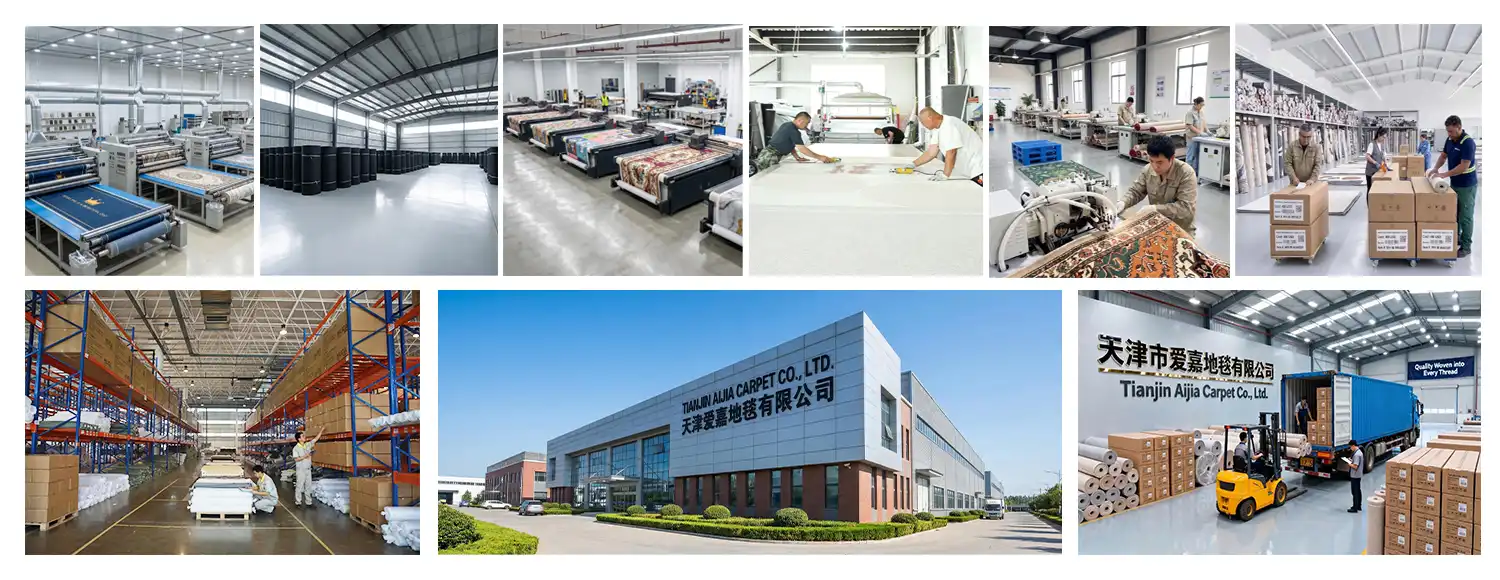
Leading providers set themselves apart by providing clear production paperwork and quick expert help. Companies that have been in business for 15 to 20 years show that they can stay in the market and gain process knowledge. Verifying that a plant is located in a well-known manufacturing area, like Tianjin's Cuihuangkou Town carpet district, gives you peace of mind that you can get access to specialised equipment and skilled workers.
The patterns of customer feedback show that operations are reliable in ways that go beyond marketing materials. Professional makers can be told apart from opportunistic traders by their consistent delivery performance, accurate order fulfilment, and quick contact during production problems. Offering a wide range of warranties, from basic defect coverage to performance guarantees, shows that makers are confident in the long-term success of their goods. Makers who back their products with strong warranties have matched their interests with those of long-term buyers.
Emerging Market Dynamics
As labour costs rise around the world, more people want door options that can be cleaned and maintained. Facilities management teams are increasingly choosing goods that can be cleaned by staff members over those that need to be cleaned by professionals or replaced often. This trend leads to new backing materials and fibre processes that make them last longer through multiple washings. Because they can be customised, mats can be bought as a product or as a way to promote a brand. This is especially useful for hotel chains and stores that want to add their logos.
Regulatory pressures on flame resistance are growing in all commercial markets, which is making EN 13501 compliance a more important requirement for buying things. At the same time, chemical safety standards like REACH limit the materials that can be used, which forces manufacturers to use cleaner ways to make things. In both cases, these parallel trends favour larger companies with testing infrastructure and the ability to change the formula over smaller ones that don't have the technology tools. When performance needs and environmental concerns come together, engineered jute-style mats become useful options that meet many goals without sacrificing any of them.
Conclusion
When choosing door mats, you need to think about how they look, how well they work, how easy they are to clean, and how much they will cost in total. Modern Jute Indoor Door Mats cover all of these aspects with careful engineering that keeps the look of the natural material while adding technologies that make them work better. With scratch-resistant surfaces, TPR backing that can be washed, and stain-resistant treatments, these products are suitable for high-traffic areas in businesses like hotel lobbies and shopfronts. Professionals in procurement can benefit from learning about the specifics of goods, the abilities of suppliers, and the certification needs that set high-quality products apart from options that look similar on the surface. Engineered natural-style mats are a good example of a product area where looks and usefulness work well together. This is because they meet both performance and sustainability requirements.
FAQ – Common Questions About Jute Indoor Door Mats
1. How does durability compare to traditional rubber entrance mats?
Modern fake sisal mats with TPR backing are just as durable as rubber options in moderate-traffic indoor settings. They usually last two to three years with daily use. The tear-resistant design works well for normal foot traffic, but rubber is still better for harsh industrial circumstances. If you care about how things look and whether they'll work with your flooring, jute-style options are better because they won't stain or smell like luxury vinyl.
2. Can these mats be machine washed without quality degradation?
Latex-backed mats break or crumble when washed more than once on gentle cycles below 30°C, but TPR-backed jute-style mats don't. The backing is made so that it doesn't get damaged by heat or movement, even after being washed dozens of times. This ability to be washed is very important in places that need to be clean on a frequent basis. It also lowers the long-term costs of upkeep compared to choices that are disposable or can only be dry-cleaned.
3. What customization options exist for bulk commercial orders?
Professional makers offer a wide range of OEM and ODM services, such as customising sizes to exact requirements, adding logos through heat transfer printing, and matching colours to corporate branding standards. Customising the size lets you fit doors that aren't standard sizes, and putting patterns on useful items turns them into marketing tools. Customised products have different minimum order quantities depending on how complicated they are. However, well-known suppliers usually let you order reasonable trial quantities before committing to full production runs.
Partner with Aijia for Your Jute Indoor Door Mat Supply Needs
Tianjin Aijia Carpet Co., Ltd. brings two decades of specialized manufacturing experience to the entrance matting market, combining traditional craftsmanship with modern production technologies. Our facility produces up to 10,000 square meters daily, supporting both rapid sampling within 24-48 hours and reliable bulk order fulfillment. We maintain complete certification portfolios including CE, OEKO-TEX, ISO 9001, REACH, and EN 13501, ensuring your orders meet destination market requirements without complications.
Our technical team collaborates directly with distributors, importers, and e-commerce sellers to develop customized solutions matching specific market needs. Whether you require standard sizing for immediate availability or fully customized specifications with logo integration, we offer flexible OEM and ODM services backed by 100% pre-shipment inspection. Export-standard packaging and established freight forwarding relationships ensure your containers arrive on schedule, while dedicated account management provides consistent communication throughout production cycles.
Reach our sales team at sales@aijiarug.com to discuss your requirements with experienced Jute Indoor Door Mat suppliers who understand international distribution challenges. We'll provide detailed specifications, sampling options, and pricing structures tailored to your market positioning and volume requirements.
References
1. Chen, L., & Zhang, W. (2021). Synthetic Fiber Applications in Commercial Entrance Matting: Performance Analysis and Market Trends. Textile Research Institute Publications.
2. Davidson, R. (2020). Slip Resistance Standards in Commercial Flooring: A Comprehensive Guide for Facility Managers. Building Safety Standards Committee.
3. Harrison, M., & Thompson, K. (2022). Sustainable Materials in Hospitality Design: Balancing Aesthetics and Environmental Performance. Commercial Interior Design Quarterly.
4. Liu, H. (2019). Advanced Backing Technologies for Textile Floor Coverings: TPR vs. Traditional Materials. Polymer Engineering Journal.
5. Roberts, P., & Martinez, S. (2023). Total Cost of Ownership Models for Commercial Entrance Systems. Facility Management Economics Review.
6. Wong, T. (2022). Quality Control Protocols in Export-Oriented Carpet Manufacturing: Best Practices from Asian Production Centers. International Textile Trade Association.
Request fast quotes for bulk carpets, OEM & ODM floor mats, supported by strict quality control and complete supply chain.