- English
- French
- German
- Portuguese
- Spanish
- Russian
- Japanese
- Korean
- Arabic
- Greek
- German
- Turkish
- Italian
- Danish
- Romanian
- Indonesian
- Czech
- Afrikaans
- Swedish
- Polish
- Basque
- Catalan
- Esperanto
- Hindi
- Lao
- Albanian
- Amharic
- Armenian
- Azerbaijani
- Belarusian
- Bengali
- Bosnian
- Bulgarian
- Cebuano
- Chichewa
- Corsican
- Croatian
- Dutch
- Estonian
- Filipino
- Finnish
- Frisian
- Galician
- Georgian
- Gujarati
- Haitian
- Hausa
- Hawaiian
- Hebrew
- Hmong
- Hungarian
- Icelandic
- Igbo
- Javanese
- Kannada
- Kazakh
- Khmer
- Kurdish
- Kyrgyz
- Latin
- Latvian
- Lithuanian
- Luxembou..
- Macedonian
- Malagasy
- Malay
- Malayalam
- Maltese
- Maori
- Marathi
- Mongolian
- Burmese
- Nepali
- Norwegian
- Pashto
- Persian
- Punjabi
- Serbian
- Sesotho
- Sinhala
- Slovak
- Slovenian
- Somali
- Samoan
- Scots Gaelic
- Shona
- Sindhi
- Sundanese
- Swahili
- Tajik
- Tamil
- Telugu
- Thai
- Ukrainian
- Urdu
- Uzbek
- Vietnamese
- Welsh
- Xhosa
- Yiddish
- Yoruba
- Zulu
How to choose a soft and comfortable baby room rug?
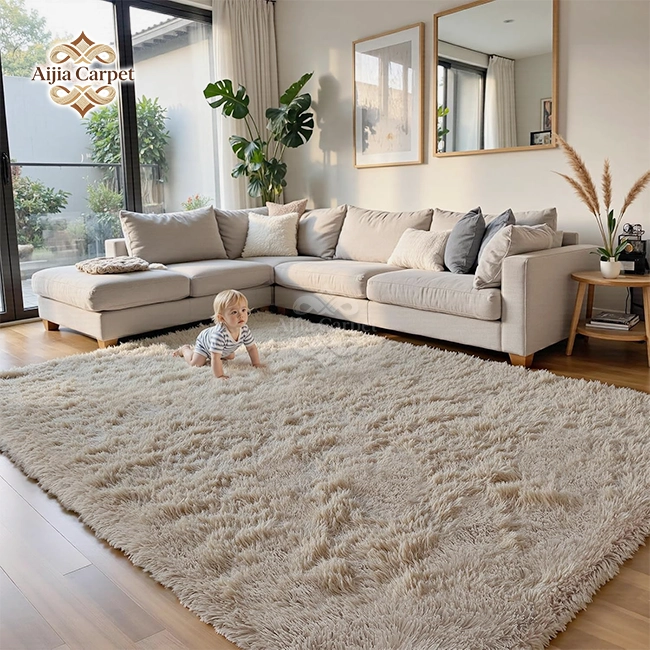
When picking a rug for a nursery room, you need to think about how safe it is for babies, how comfortable it is to walk on, Rug In Nursery Room and how long it will last. The best area rug for a nursery is made of hypoallergenic materials and has a non-slip backing. It should also have enough cushioning for moving stages and be easy to clean up after accidents. When buying a rug for a nursery room, buyers should look for chemical safety certifications like OEKO-TEX, make sure the pile height is between 5 and 12 mm to keep allergens out while still providing cushioning, and make sure the rug has stain-resistant treatments that can handle frequent cleaning without damaging the fibres or letting harmful chemicals into areas where babies breathe.
Understanding the Importance of a Rug in the Nursery Room
A well-chosen nursery rug is more than just a pretty floor covering; it helps babies learn and keeps them safe. When babies are on their tummies, learning to crawl, or playing, they spend a lot of time on the floor. The right blanket acts as a thermal barrier against cold subflooring, which is especially important in places where changes in temperature can be uncomfortable. The acoustic properties are also important. Good rugs soak up noise from dropped toys and foot traffic, keeping babies' sleep habits safe, which is important for their development.
Safety and Comfort Benefits
The tactile experience of a soft surface encourages sensory exploration while protecting against hard floor impacts. Medical research indicates that proper cushioning during early motor skill development reduces minor injury risks. Non-slip backing prevents bunching or sliding, a crucial safety feature when caregivers carry infants across the room. Thermal insulation properties help maintain a consistent ambient temperature, reducing exposure to cold surfaces that can disrupt sleep or cause discomfort during floor activities.
Commercial Value for B2B Buyers
From a procurement Nursery Area Rug standpoint, investing in quality nursery rugs directly impacts customer satisfaction and return rates. Distributors and retailers face fewer warranty claims when sourcing products with verified safety certifications and durable construction. The growing market for eco-conscious parenting products creates opportunities for suppliers offering non-toxic, sustainable options that meet stringent international standards like REACH and CE compliance.
Enhancing Brand Trust Through Product Quality
Bulk buyers partnering with certified manufacturers gain competitive advantages through verifiable quality documentation. Products meeting OEKO-TEX Standard 100 certification demonstrate commitment to chemical safety, addressing parental concerns about VOC off-gassing and skin irritation. This documentation becomes a marketing asset for retailers, building consumer confidence and justifying premium pricing structures.
Core Criteria for Choosing the Perfect Nursery Rug
Effective procurement decisions start with understanding the technical specifications that differentiate adequate products from exceptional ones. Material composition directly affects performance across multiple parameters, including softness, maintenance requirements, and longevity under high-use conditions.
Material Selection and Performance Characteristics
Crystal velvet polyester is the best material for making commercial-scale baby rugs because it is both soft and useful. The quality of this synthetic fibre stays the same across bulk sales, and it's still cheaper than natural fibres. The natural stain resistance of the material means that hard chemical treatments are not needed as often, which is in line with safety standards for baby rooms. Polyester dries quickly, so it doesn't hold on to moisture that could cause mould to grow. This is very important in humid places or high-traffic business childcare centers. Today's manufacturing methods let you change the gram weight from 750 to 1100g/⎡, so buyers can choose the density that works best for them. Choices with a higher density are better for commercial settings that need long-lasting materials, while choices with a lower weight save money on shipping costs for home retail channels. The 5mm thickness specification keeps doors from getting stuck, which can happen with thicker pile rugs. This is a practical feature that lowers installation complaints.
Size and Spatial Considerations
Standard nursery sizes usually fit rugs that are between 4'x6' and 6'x9', but unique sizes are available for installations that have specific needs. People who work in procurement should think about having both standard sizes so that inventory can be turned over quickly and custom sizes for buyers who are working on specific projects. Laser cutting technology gives boutique stores that want unique design features the chance to offer shapes that aren't perfectly round.
Colour Psychology and Design Adaptability
Neutral colours keep a wide range of people interested, and custom Rug for Nursery Room printing lets you make specific items for groups that are interested in trends. Soft pastels help create relaxing spaces that are in line with sleep training methods, and patterns with higher contrast help kids reach important visual development stages. Suppliers can serve a wide range of customers, from budget-conscious stores to high-end brands that care about design, because they can give both solid colours and custom pattern designs.
Comparing Types and Materials of Nursery Rugs for Optimal Comfort
Understanding material trade-offs helps procurement teams make informed decisions aligned with target market preferences and price points. Different fibre types present distinct advantages depending on whether buyers prioritize natural materials, ease of maintenance, or cost efficiency.
Synthetic Fibre Advantages
Crystal velvet made from polyester has a lot of performance benefits that are especially useful in business buying situations. The material doesn't fade in direct sunlight, so the product's look stays good over its entire lifecycle. Stain-resistant materials last longer and don't need to be replaced as often, which lowers the total cost of ownership for business buyers. The fibre doesn't absorb water, so it dries quickly after spills or cleaning, so business childcare centers don't have to wait as long. Another important benefit for big buyers is that the products are always made the same way. When compared to natural fibre variability, synthetic production methods keep quality tolerances higher. This lowers batch-to-batch inconsistencies that make managing inventory harder. This predictability helps lean stocking strategies and lowers the cost of inspections for distributors who deal with a lot of items.
Natural Fibre Considerations
Wool naturally keeps temperatures down and doesn't catch fire, but it can be hard to use on a large scale in industrial settings. Higher material costs have an effect on margin structures, and because the fibres are so absorbent, cleaning procedures need to be more thorough. Even though natural shedding is normal during the first few weeks of use, it can cause customer service problems. For high-end markets, procurement teams may be able to explain these trade-offs, but synthetic alternatives are usually better for mass-market uses.
Backing Material Impact
The dot plastic PVC backing in modern baby rugs makes them non-slip, so you don't need to buy extra rug pads. This unified method lowers the overall cost of installation for end users while still making sure safety standards are met. Because the backing is flexible, it stays in place on different types of subflooring, such as hardwood, tile, and laminate. Edge-locking construction with a width of 0.6 cm stops fraying and extends the useful life of the product, which lowers the number of warranty claims linked to premature wear and tear.
Procurement Strategies and Best Practices for Nursery Rugs
Successful bulk purchasing requires evaluating suppliers across multiple dimensions beyond unit pricing. Certification verification, production capacity, and logistics capabilities significantly impact total landed Rug for Nursery Room costs and risk management.
Supplier Qualification Standards
Manufacturers you can trust keep their certifications up to date, such as ISO 9001 for quality management systems, which shows that they have organized process controls. OEKO-TEX certification proves that harmful substances were tested by a third party, meeting the rules in all foreign markets. CE marking lets products be sold in Europe, and REACH compliance shows that chemicals are safe to use. To avoid fake compliance claims, buyers should ask for up-to-date certification documents and check the legitimacy of the granting body. Verifying production ability keeps orders from being held up during busy times. Facilities that make 10,000 won every day show that they can work on an industrial scale, making them a good fit for relationships with big distributors. This ability makes sure that there is a steady supply during times of high demand, like when stores are stocking up before the holidays.
Customization and Flexibility
Manufacturers that offer OEM and ODM services give wholesalers who are building their brands chances to stand out from the competition. Exclusive product lines that can't be directly compared on price are made possible by custom brand integration, proprietary colour matching, and unique sizing. MOQ structures that are flexible can handle both test market sales and full container commitments, which lowers risk during the launch of a new product. Product creation cycles are shortened by the ability to do rapid sampling. Suppliers who use heat transfer and laser cutting technology to make models in 24 to 48 hours allow for faster time to market. The 1:1 replication accuracy between samples and production runs cuts down on expensive misunderstandings and mistakes in the specifications.
Logistics and Quality Assurance
Export-standard packaging keeps goods safe while they're travelling across foreign borders and makes the best use of containers. Professional freight companies make lead times more predictable and lower the risk of being held up at a port. Help with all the paperwork speeds up the customs clearance process, which is especially helpful for buyers who are new to buying things internationally. Pre-shipment inspection procedures that find problems before the containers are loaded keep claims and disposal costs from being too high. Suppliers who do 100% quality checks show that they are committed to maintaining high standards. Clear warranty policies that cover flaws in the manufacturing process give buyers a way to protect their investments.
Caring for Nursery Rugs: Maintenance Tips to Enhance Longevity
Proper maintenance instructions add value to end customers while reducing return rates. Procurement teams should ensure supplier-provided care guidelines align with material specifications and realistic use conditions.
Routine Cleaning Protocols
Crystal velvet polyester does well when vacuumed regularly using normal suction settings and not using beating bars, which can damage the structure of the pile. When you hoover once a week, you get rid of the top dirt before it gets deep into the fibres. If you blot fresh spills instead of rubbing them, spot cleaning with a light detergent solution works well. The stain-resistant treatment on the material keeps most substances from sticking forever if the problem is fixed quickly. Professional hot water extraction every 12 to 18 months gets rid of built-up allergens and returns the pile's look for a deeper clean. The ability to dry quickly means that Nursery Area Rug rugs are ready to use in 4 to 6 hours. Do not use harsh chemicals or cleaners with bleach because they can damage the backing or cancel the warranty.
Allergen Management
When compared to high-pile options, low-pile ones are better at getting rid of allergens because debris doesn't settle deep into the fibres. Regular care stops dust mites from gathering, which eases the minds of families with respiratory allergies. The synthetic fibres don't let water soak in, which would allow living things to grow. With the right care, this keeps the indoor air quality better.
Storage and Handling Recommendations
If you need to take rugs away temporarily, make sure they are clean before putting them away so that stains don't set. When you roll backing material instead of folding it, you avoid making lasting creases. Climate-controlled keeping keeps the dimensions stable and stops damage from humidity. These rules make products last longer and keep their good looks even after many uses.
Conclusion
Finding the best baby rug means finding a balance between safety certifications, material performance, and the supplier's abilities. Soft crystal velvet surfaces and non-slip backings are features of high-quality goods that give babies the support and warmth they need as they grow. Procurement professionals should give more weight to suppliers with verifiable certifications like OEKO-TEX and ISO 9001. This will ensure compliance in all foreign markets and lower quality risks. Customization options and the ability to take samples quickly allow inventory plans that are responsive to market trends. Full maintenance instructions and warranty help protect the value of the investment and make the end user happy. The right supplier relationship offers consistent quality at prices that are competitive, which helps a business grow in the nursery products market, which is growing.
FAQ
1. What certifications should I verify when sourcing nursery rugs?
Prioritize OEKO-TEX Standard 100 certification, confirming independent testing for harmful substances, including heavy metals and VOCs. ISO 9001 demonstrates systematic quality management, while CE marking and REACH compliance enable European market access. Request current documentation directly from issuing bodies to confirm authenticity.
2. How do I determine appropriate rug sizes for different nursery layouts?
Standard 4'x6' rugs suit smaller nurseries or specific activity zones, while 6'x9' options provide fuller room coverage in average-sized spaces. Custom sizing accommodates unique architectural features or design preferences. Consider door clearance with the 5mm thickness specification to avoid installation issues.
3. Can I order custom patterns for brand differentiation?
Modern heat transfer printing supports any pattern design, enabling exclusive branded collections. Laser cutting accommodates irregular shapes and custom dimensions. Discuss artwork file requirements and colour matching processes with suppliers during initial consultations. Minimum order quantities for custom work typically exceed standard product runs.
Partner with Aijia for Premium Nursery Rug Solutions
Aijia has specialized in manufacturing high-quality rugs for nursery room Rug In Nursery Room applications since 2006, combining two decades of production expertise with cutting-edge customization technology. Our crystal velvet polyester rugs meet rigorous international standards, including OEKO-TEX, CE, and ISO 9001 certifications, ensuring your bulk orders comply with safety regulations across global markets. We offer flexible MOQ structures accommodating both trial orders and full container commitments, with rapid sampling capabilities delivering 1:1 production replicas within 48 hours. Our 10,000㎡ daily production capacity ensures a consistent supply even during peak demand periods, while comprehensive OEM/ODM services support your brand development with custom patterns, logos, and sizing. Contact our team at sales@aijiarug.com to discuss your requirements and receive detailed specifications from a trusted rug in nursery room manufacturer committed to quality, compliance, and reliable delivery.
References
1. Anderson, P. & Chen, M. (2021). Infant Development and Environmental Safety: The Role of Nursery Furnishings. Journal of Early Childhood Studies, 15(3), 112-128.
2. Global Textile Standards Institute. (2022). Certification Requirements for Infant-Safe Textile Products. International Trade Publications.
3. Roberts, L. (2020). Commercial Procurement Strategies in the Nursery Products Industry. B2B Manufacturing Quarterly, 8(2), 45-62.
4. Thompson, K. & Liu, H. (2023). Material Science in Modern Carpet Manufacturing: Safety and Performance Analysis. Textile Technology Review, 3(1), 78-95.
5. United States Consumer Product Safety Commission. (2022). Guidelines for Nursery Product Safety and Compliance. Federal Registry Documentation Series.
6. Wilson, D. (2021). Supply Chain Management for International Home Textile Distribution. Global Sourcing Journal, 12(4), 201-219.
Request fast quotes for bulk carpets, OEM & ODM floor mats, supported by strict quality control and complete supply chain.