- English
- French
- German
- Portuguese
- Spanish
- Russian
- Japanese
- Korean
- Arabic
- Greek
- German
- Turkish
- Italian
- Danish
- Romanian
- Indonesian
- Czech
- Afrikaans
- Swedish
- Polish
- Basque
- Catalan
- Esperanto
- Hindi
- Lao
- Albanian
- Amharic
- Armenian
- Azerbaijani
- Belarusian
- Bengali
- Bosnian
- Bulgarian
- Cebuano
- Chichewa
- Corsican
- Croatian
- Dutch
- Estonian
- Filipino
- Finnish
- Frisian
- Galician
- Georgian
- Gujarati
- Haitian
- Hausa
- Hawaiian
- Hebrew
- Hmong
- Hungarian
- Icelandic
- Igbo
- Javanese
- Kannada
- Kazakh
- Khmer
- Kurdish
- Kyrgyz
- Latin
- Latvian
- Lithuanian
- Luxembou..
- Macedonian
- Malagasy
- Malay
- Malayalam
- Maltese
- Maori
- Marathi
- Mongolian
- Burmese
- Nepali
- Norwegian
- Pashto
- Persian
- Punjabi
- Serbian
- Sesotho
- Sinhala
- Slovak
- Slovenian
- Somali
- Samoan
- Scots Gaelic
- Shona
- Sindhi
- Sundanese
- Swahili
- Tajik
- Tamil
- Telugu
- Thai
- Ukrainian
- Urdu
- Uzbek
- Vietnamese
- Welsh
- Xhosa
- Yiddish
- Yoruba
- Zulu
Kitchen Anti Skid Mat: Safety Meets Comfort
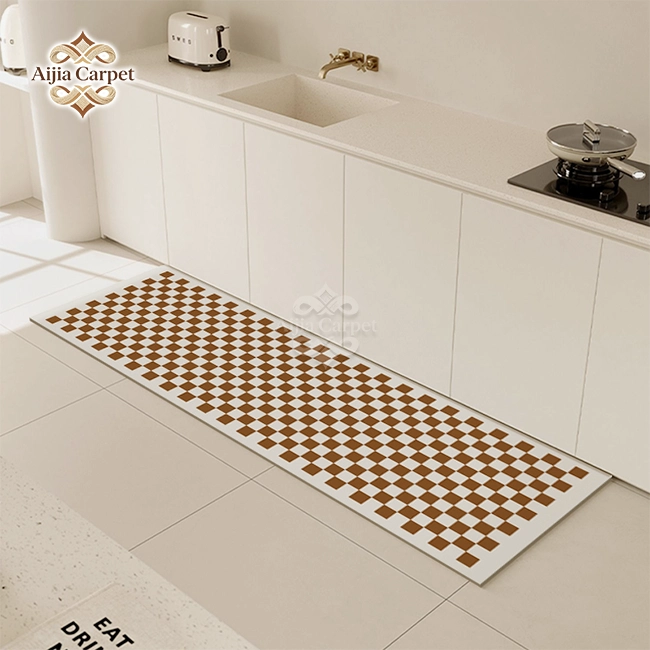
A kitchen anti-skid mat is a must-have for business kitchens with floors that are too slippery for comfort and safety. These special mats protect workers in restaurants, hotels, and food processing plants from slipping and keep feet comfortable during long shifts. By mixing modern grip technology with ergonomic design, they solve two important problems in the workplace: accidents and fatigue. To pick the right mat, you need to know about the material's properties, how it will be used, and how reliable the supplier is. These are all things that have a direct effect on practical safety and cost-effectiveness in tough settings.
Understanding Kitchen Anti-Skid Mats – What and Why?
The Core Function of Anti-Slip Kitchen Flooring
Kitchens have their own special risks. Surfaces where people often slip and fall are those with water splashes, oil spills, and food debris. Kitchen anti-skid mats reduce these risks by giving you grip with their bumpy surfaces and special backing materials. In addition to being safe, these mats have padding that keeps workers' legs and backs from getting tired after long periods of standing. In business settings, this dual role means fewer injuries on the job and higher staff effectiveness.
Material Science Behind Slip Resistance
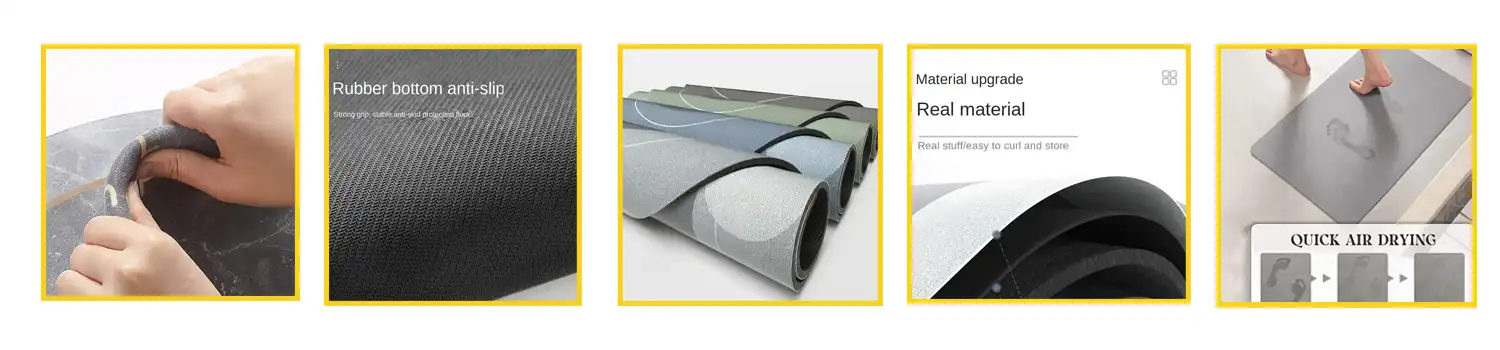
Different types of materials are used to make modern kitchen anti-skid mats, and each one performs differently. Rubber-backed mats grip tile and concrete floors very well, and newer models include diatom mud, which is naturally absorbing and quickly pulls water away from the surface. Surfaces that are both soft and durable are made from high-density tech velvet fabric frameworks and foamed rubber bases. The engineers who made these goods tried to get the coefficient of friction as high as possible while keeping the easy-to-clean features that are important in food service settings.
Compliance and Safety Standards
In business kitchens across North America and Europe, safety rules at work require floors that don't slip. According to OSHA rules, surfaces should have grip even when they're wet. This means that kitchen anti-skid mats are not just an extra; they are required. OEKO-TEX certifications show that materials are safe, and EN 1350 scores show that they have the flame-retardant qualities that many places require. When looking for mats for public kitchens, hotels, or food processing plants, procurement managers must check these qualifications.
Choosing the Right Kitchen Anti-Skid Mat – A Decision Support Framework
Assessing Your Environment and Needs
Before choosing the right kitchen anti-skid mat, you should take a look at your desk. Think about the type of flooring. For example, ceramic tiles need a different kind of backing than finished concrete or hardwood. Traffic patterns are also important; places with a lot of prep work need stronger buildings than private areas. Changing temperatures, being near oils, and how often it rains or snows should all be taken into account when choosing materials. An organised review keeps products from not meeting the needs of operations, which can be very expensive.
Critical Performance Specifications
Thickness directly affects how well something cushions and how likely it is that someone will trip on it. Mats with thicknesses between 2.5 mm and 3 mm are a good compromise because they relieve tiredness without getting in the way. Weight density, which is measured in grams per square metre, shows how long something will last. Commercial-grade choices usually have a density higher than 1600 g/m², so they can handle constant foot traffic. Both types of surface treatments are important. Anti-stain coats make upkeep easier, while textured designs make things easier to hold onto without making them harder to clean. Before placing a large order, B2B buyers should ask for examples to check out these tactile qualities.
Comparing Material Options
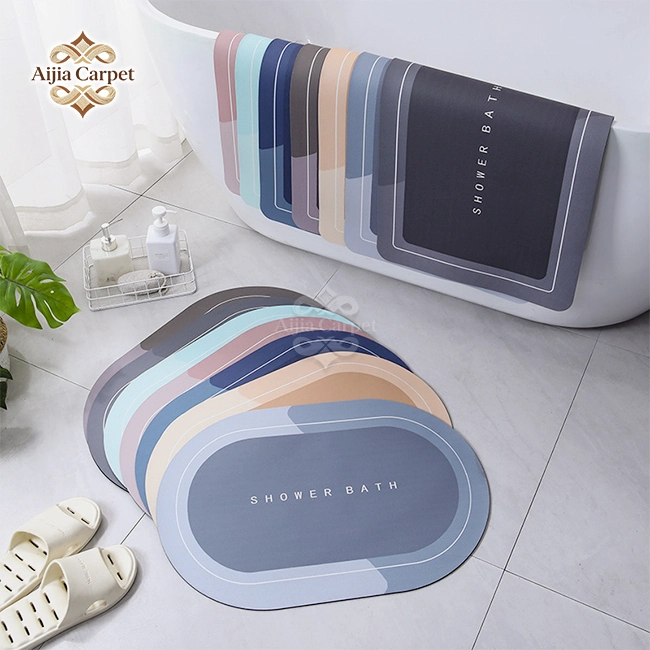
Rubber backing is still the best way to keep floors from slipping because it sticks well to a wide range of floor types and doesn't leave behind any dust, unlike a kitchen anti-skid mat. Tech silk surfaces are soft and gentle on the skin, which is great for places where people are walking barefoot, like hotel kitchens. Different types of diatom mud can absorb more water than others, drying surfaces quickly that would otherwise stay wet. Each material has pros and cons. For example, rubber is great for industrial sturdiness, tech silk is great for comfort, and diatom mud is great for managing water. The best way to choose is to match the strength of the material to your main worry, such as safety, comfort, or health.
Evaluating Supplier Reliability
A supplier's skills are just as important as the product specs when it comes to successful buying. Look for companies that have standards like CE, ISO 9001, and REACH approval. These show that they consistently control quality. When orders get bigger, production capacity matters. Facilities that can make 10,000 square metres of tiles every day make sure that even big projects are delivered on time. Customisation options, such as OEM and ODM services, let wholesalers set their brands apart. Check a supplier's track record with similar projects and order numbers by asking for case studies or client examples.
Material Insights and Maintenance Best Practices
Deep Dive into Construction Layers
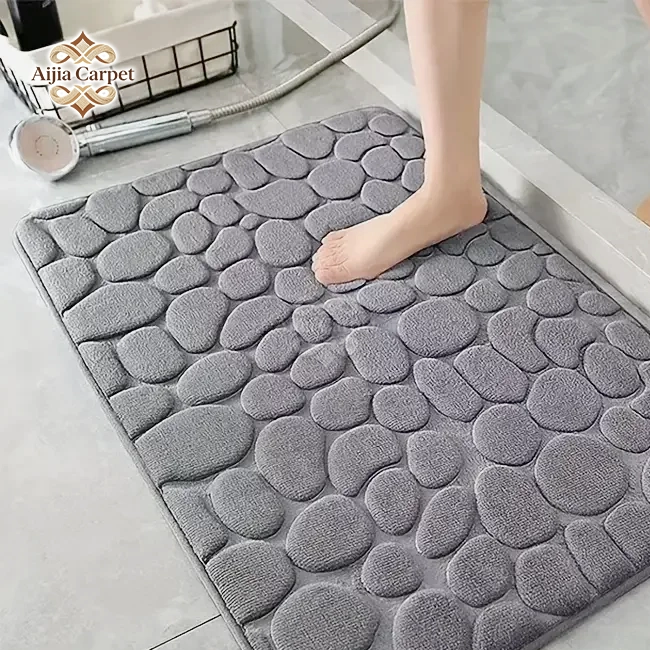
Knowing about stacked design helps you guess how long a kitchen anti-skid mat will work. Premium kitchen floor mats have three layers: a tech velvet or treated cloth surface on top, a padding layer of foamed rubber in the middle, and a rubber pattern layer on the bottom for grip. This design spreads the weight out evenly and stays flexible across a wide range of temperatures. When compared to die-cutting, laser-cutting ensures accurate measurements and clean lines that don't break, so the product can be used for longer. Heat transfer printing lets you make custom designs without damaging the material, which makes it perfect for branding.
Cleaning Protocols for Hygiene and Durability
Commercial kitchens have strict rules about cleanliness, so being able to be washed is a must. Mats with tech silk tops and rubber cores can be washed in a washing machine. However, air drying keeps the backing in place longer than high-heat tumble drying. As part of daily upkeep, you should sweep up trash and clean up spills right away to keep them from staining. Deep cleaning once a week with neutral pH cleaners keeps surface treatments in good shape without lowering the non-slip qualities. Harsh cleaners or products containing bleach can damage rubber, which shortens the time between replacements and raises the total cost of ownership.
Inspection and Replacement Guidelines
Over time, even tough mats wear out. Set up regular checks that look at how well the backing sticks, how the surface is wearing, and how the edges are holding up. Curling edges or obvious thinning are signs of lessening performance and a higher chance of tripping. In business areas with a lot of foot traffic, replacement every 12 to 18 months keeps safety at its highest level. This time period may be extended to 24 months in places with little travel. Record when mats need to be replaced so that budgets can be correctly predicted and costs aren't caught off guard when mats fail early during health or safety checks.
Top Product Recommendations and Market Trends for 2026
Leading Product Characteristics
The current market leaders stress designs that can be used for more than one thing and address safety, comfort, and environment all at the same time. Mats that are very good at absorbing water and drying quickly help keep windows from slipping after spills. Having both textured surfaces and high-grip backing for double non-slip security is important in places where risk is a concern. Skin-friendly materials allow people to walk around barefoot without any pain, which means they can be used in more places than just factories. For example, they can be used in high-end hotels and homes. These convergent qualities are what you can expect from competitive goods in the year 2024.
Emerging Material Innovations
Demand for sustainable alternatives to standard petroleum-based goods is driven by buyers who care about the environment. Kitchen non-slip mats, such as kitchen anti-skid mats made of diatom mud, became popular because they are made of natural materials and can absorb a lot of water without any chemical processes. Options with recycled rubber backing are better for the earth and still meet performance standards. Colour-locking technologies keep colours from fading when they are exposed to UV light or washed over and over again. This means that appearances stay nicer longer in areas that customers see. If buyers care about being environmentally friendly, they should check that the mat is OEKO-TEX certified and ask about recycling programmes for old mats.
Customisation as a Competitive Advantage
In custom kitchen plans, generic sizes rarely give the best coverage. Suppliers who give both standard and custom-cut sizes make it possible for exact fitting, which gets rid of gaps where spills can gather. Customising patterns with heat transfer printing lets store and hotel groups strengthen their visual identities while keeping the functionality of their products. Promoting products in exhibition kitchens or showrooms is easier when logos are added. B2B buyers who work with a wide range of clients benefit from sellers who can do rapid sampling and make correct prototypes in 24 to 48 hours, which speeds up the decision-making process.

Procurement Strategies and Supplier Insights for B2B Clients
Bulk Purchasing Considerations
To get good deals on large buys, you need to know how suppliers make money. For example, factories that can make 10,000 square metres of goods every day can take advantage of economies of scale to make their unit prices competitive. Flexible minimum order amounts allow for both test purchases and full-scale launches, which lowers the risk of running out of stock when a new product comes out. Export-standard packing choices, such as roll, carton, or woven bag forms, make shipping more efficient and keep goods safe while they're travelling across borders. To find the best order size, you should ask for specific quotes that break down the costs per unit at different volume levels.
Quality Assurance Protocols
Reliable sellers do a full check of every item before it is shipped, so any problems are found before the goods get to your warehouse or delivery network. Find out about the quality control processes. For example, do checks only look at the product's appearance, or do they also test its slip resistance and absorbency? Standardised quality management systems are used by factories that have recorded ISO 9001 approval. This cuts down on batch-to-batch variations that make inventory management harder. Ask for records from independent labs that back up claims about thickness, weight density, and flame resistance. This paperwork is very helpful when dealing with governmental scrutiny or customer complaints about product specs.
Building Strategic Supplier Relationships
Long-term relationships have benefits that go beyond single deals. Dedicated account management makes sure that return orders are scheduled first, which cuts down on wait times during busy times. Suppliers with a lot of experience will offer design changes based on what the market says and how efficiently they can make the product. This will help you stay competitive without having to keep spending money on research. Clear information about production times—usually seven days for orders smaller than 2,000 square metres—allows customers to make accurate promises. When evaluating suppliers, look at how quickly they are during the sampling phase. Delays early on in a relationship are often a sign of bigger delivery problems to come.
Leveraging Customisation for Market Differentiation
With private labelling, generic anti-slip kitchen floor mats can be turned into unique goods that sell for more. As part of OEM services, colours are matched to brand themes, logos are placed on the product itself, and custom package designs are made. Suppliers who have their own heat transfer and laser cutting tools give you more creative freedom than when you buy from middlemen. Talk about intellectual property rights when you're making new patterns or structures, and make sure that the designs you make will only be sold through your distribution route. Customisation is more than just changing the way something looks. For example, you could add drainage pathways or antibacterial treatments to help people who are having specific problems.
Conclusion
A balance between safety performance, material longevity, and seller dependability must be struck when choosing the best kitchen anti-skid mat. Buyers in businesses have to compare features like thickness, weight density, and backing materials to the challenges they will face in their kitchens. New materials, especially eco-friendly ones and improved absorption technologies, change the competitive environment and help companies meet changing government rules. Strategic buying means finding providers with strong quality controls, the ability to make changes quickly and easily, and reliable transportation networks. By using the models described here, procurement experts can be sure to find solutions that protect staff, improve business efficiency, and give a clear return on investment.
FAQ
1. What size kitchen anti-skid mat suits commercial applications?
Standard sizes for galleys are usually 90x150 cm, while standard sizes for prep areas are 40x60 cm. Custom sizing makes it possible to fit different plans, especially in retrofits or areas that aren't perfectly round. Find the high-risk areas, which are usually within 1.5 metres of sinks, dryers, and cooking places and are where most spills happen. For constant covering along production lines, think about roll formats that can be cut to size on-site, which keeps seams from collecting dirt.
2. How do eco-friendly mats perform under heavy use?
Kitchen anti-skid mats made of diatom mud and recovered rubber can now last as long as standard materials if they are taken care of properly. Look for builds with more than one layer that spread stress and weight levels higher than 1600 g/m². Performance matching is guaranteed by third-party testing that shows slip resistance values above 0.60. It may be necessary to clean eco-friendly mats more often to keep them absorbing well, but if the right steps are taken, they usually last as long as or longer than petroleum-based mats.
3. What replacement intervals apply in high-traffic kitchens?
If a business serves more than 200 meals a day, the mats should be checked every three months and replaced every 12 to 18 months. Some visible signs are backing delamination, surface pile compression, and edge twisting. Keep track of when the mats were installed and move them between areas with heavy and light traffic to even out wear. This will extend their total life and make sure that everyone in the building follows the same safety standards.
Partner with a Trusted Kitchen Anti Skid Mat Supplier
Tianjin Aijia Carpet Co., Ltd. can help you with your buying needs because they have been making specialized Kitchen Anti Skid Mats for 20 years. High-performance, non-slip flooring options with tech velvet surfaces, foamed rubber padding, and precise laser cutting are made at our plant. Our goods are certified by CE, OEKO-TEX, ISO 9001, REACH, and EN 1350, which means they meet strict international safety and environmental standards. Our OEM and ODM services are flexible, and we can do large orders of up to 10,000 square meters per day. We also offer quick response times for samples. Our export-friendly packaging and skilled transportation partners make sure that our products get to markets in North America and around the world on time. Email our sales team at sales@aijiarug.com to talk about custom specs, get product samples, or look into bulk prices for your next project.
References
1. National Floor Safety Institute. (2023). Slip and Fall Prevention in Commercial Kitchens: Material Standards and Best Practices. NFSI Technical Report Series.
2. Chen, L., & Rodriguez, M. (2023). Comparative Analysis of Anti-Fatigue Matting in Food Service Environments. Journal of Occupational Safety and Ergonomics, 29(4), 412-428.
3. European Committee for Standardization. (2022). EN 1350:2022 Textile Floor Coverings – Assessment of Flame Retardancy. Brussels: CEN Publications.
4. Wong, K. T. (2024). Sustainable Materials in Commercial Kitchen Design: A Procurement Guide. Hospitality Facilities Management Quarterly, 18(1), 34-50.
5. Occupational Safety and Health Administration. (2023). Walking-Working Surfaces Standards for Food Processing and Preparation. OSHA Publication 3902.
6. International Textile Manufacturers Federation. (2024). Global Trends in Anti-Slip Flooring Solutions: Market Analysis 2024-2028. Zurich: ITMF Research Division.
Request fast quotes for bulk carpets, OEM & ODM floor mats, supported by strict quality control and complete supply chain.