- English
- French
- German
- Portuguese
- Spanish
- Russian
- Japanese
- Korean
- Arabic
- Greek
- German
- Turkish
- Italian
- Danish
- Romanian
- Indonesian
- Czech
- Afrikaans
- Swedish
- Polish
- Basque
- Catalan
- Esperanto
- Hindi
- Lao
- Albanian
- Amharic
- Armenian
- Azerbaijani
- Belarusian
- Bengali
- Bosnian
- Bulgarian
- Cebuano
- Chichewa
- Corsican
- Croatian
- Dutch
- Estonian
- Filipino
- Finnish
- Frisian
- Galician
- Georgian
- Gujarati
- Haitian
- Hausa
- Hawaiian
- Hebrew
- Hmong
- Hungarian
- Icelandic
- Igbo
- Javanese
- Kannada
- Kazakh
- Khmer
- Kurdish
- Kyrgyz
- Latin
- Latvian
- Lithuanian
- Luxembou..
- Macedonian
- Malagasy
- Malay
- Malayalam
- Maltese
- Maori
- Marathi
- Mongolian
- Burmese
- Nepali
- Norwegian
- Pashto
- Persian
- Punjabi
- Serbian
- Sesotho
- Sinhala
- Slovak
- Slovenian
- Somali
- Samoan
- Scots Gaelic
- Shona
- Sindhi
- Sundanese
- Swahili
- Tajik
- Tamil
- Telugu
- Thai
- Ukrainian
- Urdu
- Uzbek
- Vietnamese
- Welsh
- Xhosa
- Yiddish
- Yoruba
- Zulu
Nursery Rugs | Guide to Creating Safe, Beautiful Spaces for Your Little One
A rug in a nursery room is more than just a pretty floor covering; it's also an important safety feature meant to keep babies safe when they are at their most fragile. Because they are specially made, these materials absorb shock during tummy time and early moving, keep babies warm when the floor is cold, and lower noise levels that can wake them up. Unlike regular area rugs, Rug In Nursery Room designs focus on nontoxic materials with low volatile organic compound emissions. This keeps the air quality safe for babies' growing lungs. When looking for these goods to sell in stores or for business nursery projects, it's important to know how safety certifications, material performance, and design flexibility all work together to meet both legal needs and customer expectations.
How to Choose the Best Rug for a Nursery Room?
Finding the right rug in the nursery room means weighing a lot of different performance factors that have an immediate effect on the safety of babies and the speed of operations in business settings.
Safety Certifications and Material Compliance
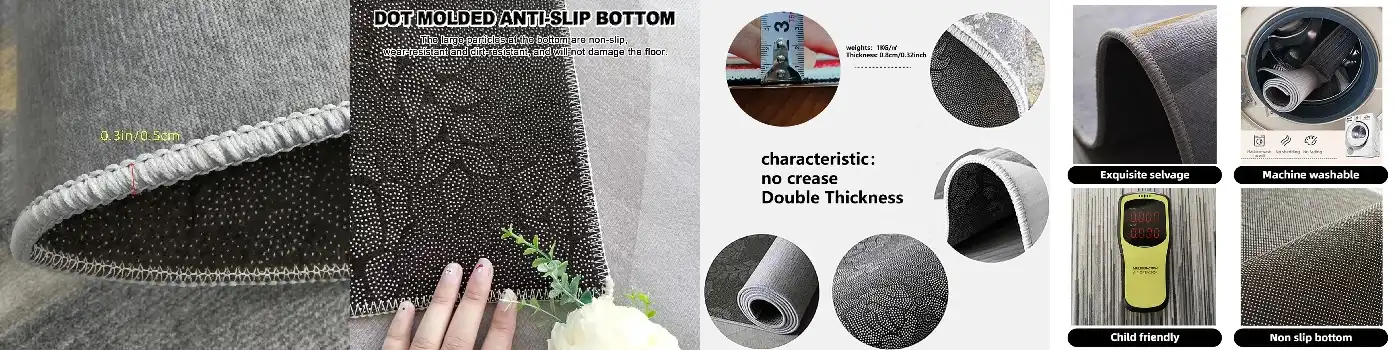
When buying Rug In Nursery Room products, you have to make sure that non-toxic materials come first. Look for items that have been certified by OEKO-TEX Standard 100. This standard checks for dangerous chemicals like heavy metals, formaldehyde, and limited dyes. CE marking shows that a product follows European safety rules, and REACH approval makes sure that chemicals are safe throughout the supply chain. Products sold in the U.S. should meet CPSIA guidelines for phthalates and lead levels. When made to these specs, crystal velvet polyester fibres with dot plastic PVC backing have great compliance profiles. They are soft to the touch and comfortable without losing chemical safety.
Durability and Maintenance Requirements
Commercial-grade rugs in nursery room environments need mats that can stand up to being cleaned a lot and being walked on a lot. High-density machine weaving with gram weights between 750 and 1100 g/㎡ gives the fabric strength so that fibres don't fall out or the pile gets distorted. Surface treatments that make things less likely to stain save money on upkeep work and make things last longer. The 5mm width profile provides enough cushioning without making it hard for doors to open, and strengthened edge-locking methods keep the edges from tearing. Products that last a long time and are easy to clean cut down on returns and make customers happier for wholesalers who manage inventory across multiple retail platforms.
Size, Shape, and Aesthetic Flexibility
Rug In Nursery Room plans are very different for home and business use, which is why being able to customise is a big plus when buying. Standard rectangular forms work well in standard room layouts, while custom sizes can work in places like hotel suites, daycare centres, and retail showrooms where space is limited by architecture. Patterns in basic colours or custom-printed patterns can be used to match a wide range of branding needs or interior design themes. It is possible to integrate complex images and logos into heat transfer printing, which makes it useful for business nursery projects or private label development. Laser cutting can make irregular forms and exact measurements, so the parts will fit perfectly, even in hard-to-reach installation areas.
Benefits of Using Rugs in Nursery Rooms
The practical benefits of a properly chosen rug in nursery rooms go far beyond how it looks on the surface; they offer measurable value across a number of performance factors.
Enhanced Safety and Comfort
When kids are young, and they fall and tumble around a lot, padded surfaces make it much less likely that they will get hurt. The rug in the nursery room's crystal velvet pile gives soft input when you touch it, which encourages moving and playing to learn new motor skills. Non-slip backing systems keep rugs from moving across smooth subfloors, which gets rid of trip risks that put babies at risk. This mix of stability and impact absorption makes a safe space where growth activities can happen with less worry from parents and less risk of responsibility in business settings.
Thermal and Acoustic Performance
Thermal insulation features make small spaces livable even when put on top of concrete subfloors or rugs in nursery rooms that don't insulate well. This ability to keep heat in lowers the cost of heating business buildings while keeping temperatures stable enough to keep babies comfortable. Noise control is an important part of design that is often ignored. Acoustic calming features can help with this. Impact sounds from dropped toys and foot traffic are absorbed by the material's density and pile structure, making the room quiet, which is important for good sleep habits. It is especially helpful to have these performance qualities in multi-family housing or dining settings where sound transfer between rooms needs to be carefully managed.
Health and Developmental Support
When compared to natural fibres, which can house dust mites and mould spores, Rug In Nursery Room hypoallergenic fibre formulas keep allergens from building up. Quick-drying properties that absorb water stop wetness buildup that could help microbes grow. Using colour psychology to choose patterns carefully can change your mood and how your senses develop. For example, soft pastels can help you feel calm, while contrasting geometric patterns can get your attention. If a company sells baby goods to high-end customers, these health features backed by evidence can help them stand out and justify charging more.
Nursery Rug Size, Shapes, and Colours Guide for Optimal Use
Setting specific size and style limits for rugs in nursery rooms in a planned way makes sure they meet both practical needs and design goals in a variety of installation settings.
Dimensional Planning
Rug in nursery room size choices are based on the size of the room and where the furniture will go. A 5x7-foot rug can usually fit a crib, changing table, and rocking chair in a normal home nursery. An 8x10-foot rug is better for hotel family suites or daycare classrooms. Custom size takes the guessing out of business projects with non-standard room layouts, making sure that all high-traffic areas where babies tend to play are fully covered. To avoid problems during installation and make sure it works with current building features like door clearances and threshold changes, procurement professionals should ask for detailed dimensional specs such as pile height, total thickness, and edge finishing details.
Colour Psychology and Pattern Selection
Rug In Nursery Room color schemes that are soothing have a direct effect on how babies behave and how parents feel about the quality of the place. Soft blues and greens help people relax, and warm neutrals make spaces that are comfortable without being too stimulating. For business uses, keeping the colours the same across batch orders helps keep brand standards and visual cohesion in setups with more than one room. Custom pattern possibilities allow coordination with current color schemes or brand rules. Distributors who work with e-commerce clients can choose from design choices that are in line with what consumers want right now, as shown by social media analysis and store trend forecasting.
Material Selection for Specific Applications
Rug In Nursery Room polyester fibre constructions work well in places that need to be cleaned a lot because they don't stain easily and keep their colour. The dot plastic backing gives enough grip without needing extra underlayment, which makes placement easier and lowers the overall cost of the job. Polyester's ability to be recycled and low water use during production back up environmental claims for projects that put sustainability messages first. Because of these material benefits, the product can compete with natural fibre options that need special cleaning methods and are more likely to get damaged by water.
Best Practices for Maintaining and Cleaning Nursery Rugs
Following the right care steps will make a rug in the nursery room last longer while keeping the cleanliness levels that are important for babies' health.
Routine Cleaning Schedules
Setting up regular rugs In nursery rooms, cleaning schedules get rid of surface dirt before it gets stuck in the piles. Weekly cleaning with brush attachments keeps things looking good and stops the buildup of particles that make the air quality worse. Spot cleaning once a month takes care of stains left behind by formula spills, diaper accidents, or the beginning stages of feeding. The surface treatment that makes it stain-resistant makes it easier to get rid of spots with pH-neutral cleaners that don't damage the fibres or the backing's ability to stick. For businesses that run more than one nursery, written cleaning plans show that they are doing their part and help quality control programs.
Deep Cleaning Methodologies
In the context of a nursery area rug, a rug in a nursery room, deep cleaning every three months with extraction methods or expert steam cleaning gets rid of deep-down dirt and restores pile strength. Because polyester fibres dry quickly, they cut down on time spent out of service, which keeps business sites running smoothly. Chemical-free cleaning products keep waste from building up, which could hurt an infant's skin or cause respiratory problems. Testing cleaning products on hidden areas before using them all over guards against colour or material changes that you didn't expect. Distributors should include upkeep instructions as an extra service that cuts down on customer support calls and raises product happiness.
Addressing Common Challenges
Rug In Nursery Room fibre shedding during the first few weeks of use means that cleaning needs to be done more often until the loose fibres are removed from the making process. Long-term contact with wetness can cause smells to stick around, so it's important to dry things completely and maybe use enzyme cleaners that target organic compounds. In places with low humidity, edge curling can be fixed with steam treatment or temporary weighing. When suppliers know about these common problems and how to solve them, they can become informed partners who can help customers after the initial transaction. This helps them build long-term relationships with customers that lead to return business and referrals.
Navigating the Nursery Rug Market: Brands, Buying Tips & Procurement Options
There are many rug-in-nursery-room seller choices in the market, and each one offers a different set of benefits that appeal to different buyer objectives.
Established Brand Considerations
Major retail names are well-known by customers and have good reviews for quality, which makes marketing Rug In Nursery Room products easier for wholesalers. These sellers usually have a wide range of products that are always available, which makes planning your collection easier. Premium pricing and restricted customisation options, on the other hand, may limit margin possibilities and the chance to stand out. When looking at brand relationships, you need to look at the total cost of ownership, which includes things like shipping costs, minimum order amounts, payment terms, and the infrastructure for customer service after the sale.
Direct Manufacturer Advantages
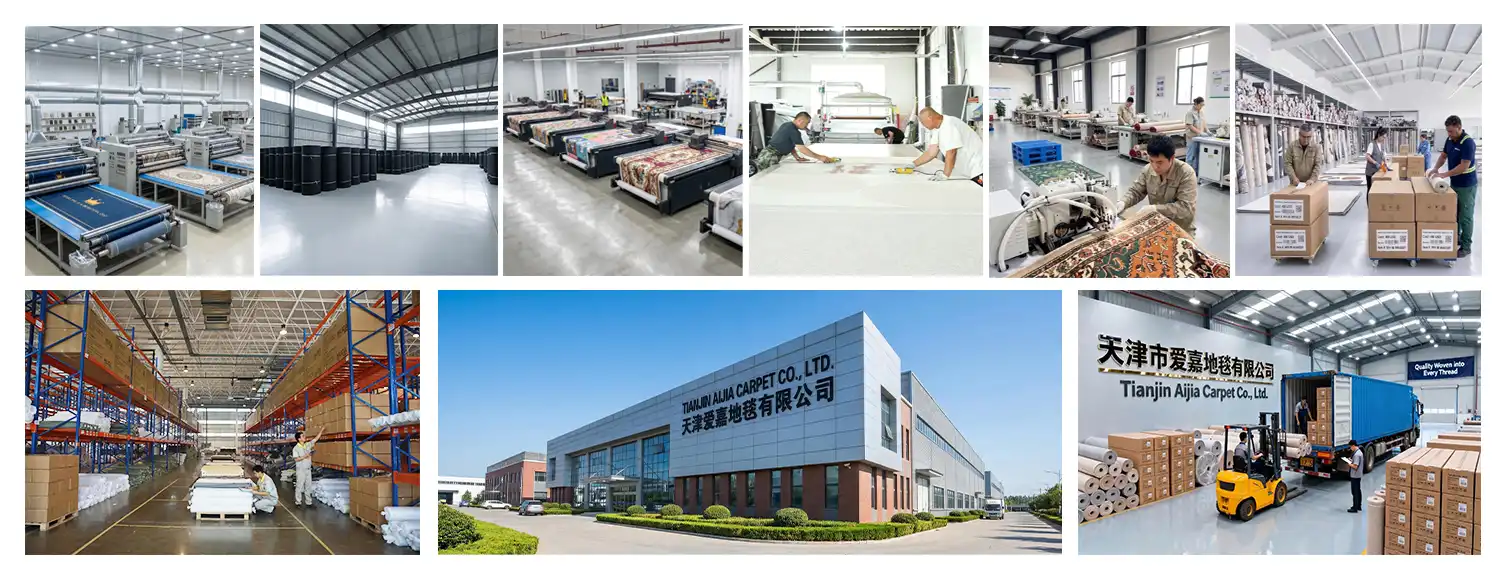
When buyers buy in bulk, working with expert rug-in-nursery-room makers like Tianjin Aijia Carpet can save them a lot of money. Twenty years of production experience make sure that the process is mature and that the standard is the same from batch to batch. Minimum order numbers that are flexible can be used for both initial sample needs and larger production runs. This lowers the amount of capital that needs to be committed during the market testing phases. Full customisation services, including OEM and ODM options, allow for private label creation and changes that are specific to the market. With a daily production capacity of 10,000㎡, even big projects can be finished quickly, and orders below 2,000㎡ can be delivered in less than seven days.
Quality Assurance and Compliance
Tough Rug In Nursery Room quality control rules, like inspecting every item before it ships, keep buyers safe from expensive quality problems that hurt a brand's image and cause customers to return items. Several foreign standards, such as CE, OEKO-TEX, ISO 9001, REACH, and EN 1350 flame retardant ratings, make sure that all major export markets are met. This certification portfolio cuts down on unnecessary testing costs and speeds up customs clearance, which is especially helpful for business projects that need to be done quickly. Export-standard packing options make it easier to load containers, which lowers the cost of shipping each item internationally.
Technical Capabilities and Service Excellence
High-definition heat transfer printing and precise laser cutting are two examples of new rug technologies. In the nursery room, technologies are used in production that make it possible to copy complex patterns and get measurements that are too accurate to be possible with traditional methods. Making samples in 24 to 48 hours shortens the time it takes to make a product and get it on the market for designs that follow trends. Dedicated account management for return customers makes sure that production is prioritized and that there is clear communication about changes to specifications, scheduling, or quality problems. These service differences, including Rug for Nursery Room, are especially helpful when handling rollouts in multiple locations or setting up supply schedules for projects that are finished in stages.
Conclusion
To choose the right rug in the nursery room, you need to carefully look at safety standards, performance features, and the supplier's abilities. Crystal velvet polyester materials that are treated to resist stains and have non-slip backings give both home and business settings the sturdiness, ease of upkeep, and safety features they need. Material compliance, aesthetic flexibility, and source reliability must all be balanced in order for buying strategies to be successful. This way, companies can make competitive products that meet the needs of a wide range of customers while still keeping healthy profit margins.
FAQ
1. What materials are safest for nursery rugs?
Polyester fibres that have been certified by OEKO-TEX Standard 100 are very safe for a rug in a nursery room because they don't contain any dangerous chemicals, heavy metals, or toxic colours. When made correctly according to REACH standards, non-slip PVC dot backing stops movement without releasing dangerous organic chemicals.
2. How often should nursery rugs be cleaned?
Weekly sweeping gets rid of dirt and dust on the surface of the rug. In the nursery room, monthly spot cleaning gets rid of stains in specific areas. Deep cleaning every three months using extraction methods keeps cleanliness levels high without putting too much stress on the equipment. Commercial spaces with a lot of foot traffic may need cleaning more often.
3. Can nursery rugs accommodate custom designs?
With advanced heat transfer printing, you can use any style you want on a rug in the nursery room, such as logos, unique graphics, and branded designs. Laser cutting lets you precisely control the sizes and forms of things, so it can be used to meet specific building or design needs.
4. What thickness works best for nursery applications?
A thickness of five millimetres gives enough padding for a rug in the nursery room to absorb pressure while still allowing doors to fit. This profile provides comfort without making normal home and business areas more difficult to install or creating trip hazards.
Partner with a Trusted Rug in Nursery Room Supplier
Aijia specializes in making high-quality Rug In Nursery Room options that are safe, long-lasting, and easy to design for business project buyers and wholesalers. Our crystal velvet polyester rugs come with full international certifications, can be made to order, and can be made quickly thanks to our twenty years of experience making rugs. We help you place yourself in the market, whether you're releasing private label goods or working on big hotel projects. Our flexible minimum order amounts, full OEM/ODM services, and strict quality control measures, such as a 100% pre-shipment inspection, make this possible. Our technical team is available to help you right away, from the first sample to coordinating delivery. This makes sure that the buying process goes smoothly and stays within your budget and time frame. Email our sales team at sales@aijiarug.com to talk about your unique Rug In Nursery Room needs and find out how our manufacturing skills can help you compete in this growing market area.
References
1. Pediatric Environmental Health Specialty Units. (2019). "Indoor Air Quality in Infant Care Environments." American Academy of Pediatrics Technical Report.
2. Textile Research Journal. (2021). "Performance Evaluation of Synthetic Floor Coverings in High-Traffic Childcare Facilities."
3. International Journal of Environmental Research and Public Health. (2020). "Chemical Safety Assessment of Textile Products for Infant Applications."
4. Consumer Product Safety Commission. (2022). "Safety Standards for Children's Products: Flooring and Textiles Guidance Document."
5. Building and Environment Journal. (2018). "Acoustic Performance of Textile Floor Coverings in Residential and Institutional Settings."
6. Journal of Early Childhood Development. (2020). "Environmental Design Factors Influencing Infant Motor Skill Development and Safety Outcomes."
Request fast quotes for bulk carpets, OEM & ODM floor mats, supported by strict quality control and complete supply chain.