- English
- French
- German
- Portuguese
- Spanish
- Russian
- Japanese
- Korean
- Arabic
- Greek
- German
- Turkish
- Italian
- Danish
- Romanian
- Indonesian
- Czech
- Afrikaans
- Swedish
- Polish
- Basque
- Catalan
- Esperanto
- Hindi
- Lao
- Albanian
- Amharic
- Armenian
- Azerbaijani
- Belarusian
- Bengali
- Bosnian
- Bulgarian
- Cebuano
- Chichewa
- Corsican
- Croatian
- Dutch
- Estonian
- Filipino
- Finnish
- Frisian
- Galician
- Georgian
- Gujarati
- Haitian
- Hausa
- Hawaiian
- Hebrew
- Hmong
- Hungarian
- Icelandic
- Igbo
- Javanese
- Kannada
- Kazakh
- Khmer
- Kurdish
- Kyrgyz
- Latin
- Latvian
- Lithuanian
- Luxembou..
- Macedonian
- Malagasy
- Malay
- Malayalam
- Maltese
- Maori
- Marathi
- Mongolian
- Burmese
- Nepali
- Norwegian
- Pashto
- Persian
- Punjabi
- Serbian
- Sesotho
- Sinhala
- Slovak
- Slovenian
- Somali
- Samoan
- Scots Gaelic
- Shona
- Sindhi
- Sundanese
- Swahili
- Tajik
- Tamil
- Telugu
- Thai
- Ukrainian
- Urdu
- Uzbek
- Vietnamese
- Welsh
- Xhosa
- Yiddish
- Yoruba
- Zulu
Why Every Pet Owner Needs a Pet Welcome Mat?
You know what it's like when your pet's muddy paws track dirt down the hall, splash water all over the place after a drink, or fur piles up faster than you can hoover. A Pet Welcome Mat solves these problems by mixing technology that absorbs liquids with long-lasting building that is specially made for homes with pets. These mats are different from regular doormats because they have high-density velvet surfaces and rubber backings that trap moisture, dirt, and allergens right at the door. They keep your home cleaner and safer for cats, dogs, and people who live there with you.
Understanding Pet Welcome Mats and Their Benefits
What Makes Pet Welcome Mats Different from Standard Mats
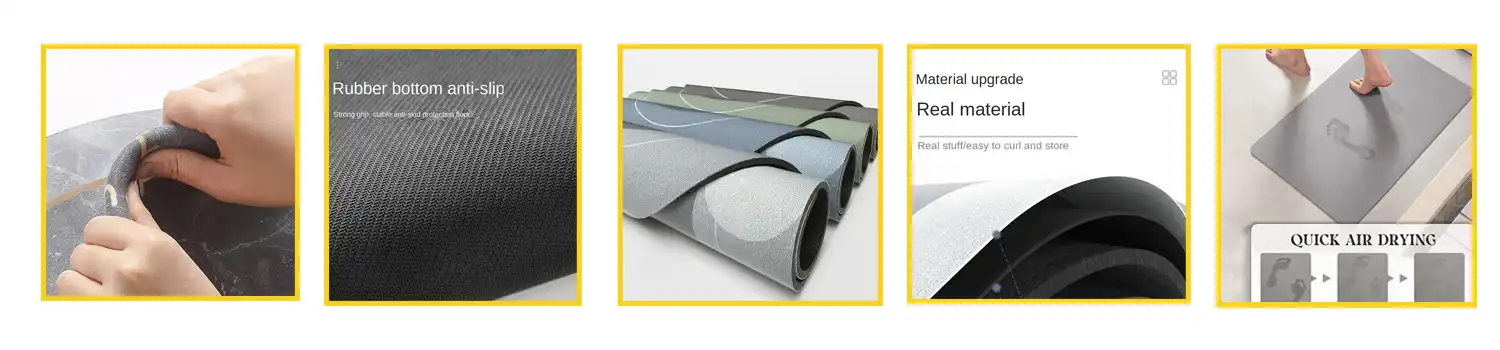
Standard floor mats are mostly used for decoration or safety, but pet-friendly entrance mats have extra features that are designed to work with the way animals behave. Material engineering is what makes the main difference: pet mats have tech velvet surfaces that are 1600g/m² dense, which means they can soak up a lot more liquid than regular cotton or synthetic fibre mats. The rough rubber bottom keeps the mat stable even when cats run across wet areas, and the foamed rubber middle layer provides padding that can handle repeated paw traffic.
Because the surface of these mats is treated to repel stains, pee, spit, and food particles can't get deep into the fibres. When it rains, the ability to dry quickly is especially useful because dogs come back from walks messy and wet. Within minutes, the surface of the mat feels dry to the touch. This makes it less likely that someone will slip and stops the mildew growth that happens on regular fabric mats.
Core Benefits for Pet Households and Commercial Spaces
When pet owners put in entrance mats made for animals, they notice right away that the floors are cleaner. Water bowl splashes and post-bath drips that would otherwise go all over the floor or tile are no longer a problem thanks to the high soaking capacity. Professional cleaners have found that the right entryway mats can cut down on household dirt by up to 80%. This is especially important in homes with multiple pets because there is more foot traffic.
These mats are great for homes, but they are also very useful for hotels that allow pets, veterinary clinics, pet grooming salons, and stores that allow pets. Commercial spaces have a lot of foot traffic, so they need items that look good and work well after thousands of daily interactions. A well-chosen mat makes customers feel better by showing that you care about cleaning and safety, which directly leads to more business and good reviews.
Allergen Control and Indoor Air Quality Improvements
The Asthma and Allergy Foundation says that pet dander is a major source of allergens that affects millions of Americans. The first line of defence is the Pet Welcome Door Mat, which collects free fur, hair, and outdoor allergens stuck to pet clothes before they can spread through the house. The thick plush structure does a good job of trapping these tiny particles, and regular mat cleaning gets rid of them completely from the home.
This technique for keeping people inside works especially well for family members who are sensitive. By concentrating pollen capture at entry places, you lower the number of particles in the air that can cause breathing problems. When placed strategically near entrances and common areas, these mats can help commercial properties with better air quality standards. This includes office buildings and co-working spaces that allow pets.
How to Choose the Best Pet Welcome Mat for Your Business Needs
Material Selection and Functional Features
To choose the right mat, you must first understand how the material works. Tech silk surfaces are better at keeping dirt out than nylon or polyester because they are soft on pets' skin and nice to walk on. The best performance is found between 2.5 mm and 3 mm thick—thin enough to avoid trip hazards but thick enough to absorb moisture well.
The rubber backing does two things: it keeps the mat from moving on smooth floors, and it protects the area below from water damage. The foamed rubber in the middle makes the mat more resilient, so it can get back to its original shape after being squished. This building means that it will last for a long time, even in high-traffic areas where pets cross the same road dozens of times a day.
When evaluating options for business procurement, consider these material factors:
- Durability metrics: Commercial-grade mats should withstand at least 100,000 foot traffic cycles without significant wear. Laser-cut edges prevent fraying better than traditional binding methods.
- Cleaning compatibility: Mats must tolerate frequent washing without losing anti-slip properties or color vibrancy. Machine-washable options reduce maintenance labor costs.
- Safety certifications: OEKO-TEX certification confirms the absence of harmful chemicals, which matters when pets may lick or chew mat edges. REACH compliance ensures environmental responsibility for businesses serving European markets.
Odor control technology, while not always explicitly mentioned in product specifications, becomes critical for locations housing multiple animals. Antimicrobial treatments integrated during manufacturing inhibit bacterial growth that causes unpleasant smells, keeping spaces fresher between cleanings.
Customization Options for Brand Differentiation
When purchasing goods through distributors or retail chains, purchasing managers should look into how standard products can be customised to become branded assets. With heat transfer printing, mats can have almost any design put on them, from company logos to holiday patterns. This technology gives you high-definition pictures with color-locking treatments that keep them from fading even after being in the sun and being walked on for a long time.
Laser cutting can handle forms other than squares, so businesses can make mats that fit different entrance layouts or have patterns that are unique to their brand. If an OEM supplier has these skills, they can make private-label products that help stores stand out in markets with lots of competition. Custom sizes make sure that they fit perfectly through openings ranging from small front doors to large business halls.
When working with makers who offer variable MOQ structures, bulk buying methods can save you money. Companies that refill their shelves every couple of weeks benefit from wholesalers who can make 10,000 square meters of goods every day. This makes sure that there are always enough goods in stock and there are no storeroom jams. Export packing that is optimised for containers lowers the cost of moving each unit, which directly helps foreign wholesalers make more money.
Comparing Quality Standards and Supplier Reliability
Not every manufacturer of Pet-Friendly Welcome Mat uses the same quality control methods. Some of the best providers have strict rules for inspecting every item before it ships. This way, problems are found before the goods reach customers. This care keeps sellers from having to deal with expensive returns and bad reviews that hurt their e-commerce platform ratings.
Warranty terms show that the company that made the product is confident in its durability. Suppliers with a good reputation stand behind their products with warranties that cover manufacturing flaws and offer free replacements when problems happen because of mistakes in production rather than usage. After-sales support, such as dedicated account management, for business-to-business relationships, makes sure that problems are solved quickly and that the reordering process goes smoothly.
When looking at possible providers, look at the list of certifications they have. CE marking shows that the product is legal for sale in the EU market, and ISO 9001 certification shows that the quality is managed in a structured way. Mats put down in hotels, offices, and other public places where fire safety rules apply must now have EN 1350 flame-retardant ratings. Suppliers who keep these licenses show that their operations are mature and that they are committed to meeting foreign standards.

Maintenance and Long-Term Value of Pet Welcome Mats
Cleaning Protocols for Maximum Longevity
Proper care directly increases the life of a mat and keeps its performance qualities. How often you clean depends on how often it's used. For example, pet owners may clean their homes once a week, but businesses that get a lot of foot traffic need to be cleaned every day. The good news is that well-made mats make this process a lot easier.
Most good pet mats can be washed in a washing machine on gentle runs with light soap. First, get rid of any loose stuff by shaking it outside or using a hoover. Stay away from bleach and other strong chemicals that break down rubber parts and fade colours. The best way to dry a mat after washing it is to hang it up or lay it flat in a well-ventilated area. Most mats are ready to be put down again within a few hours because they dry quickly.
A simple mixture of water and an enzyme cleaner that is safe for pets works well to clean up organic stains between full washes. If you don't want to push dirt deeper into the fibres, blot instead of rubbing. Good mats have an anti-stain treatment that keeps most substances from sticking permanently. This makes spot removal easy, even if you can't clean up an accident right away.
Cost-Efficiency Through Durability
Premium mats cost more up front than cheaper options, but when you add up all the money you'll save over time, you can see that they are well worth the extra money. A properly made mat with a density of 1600g/m² and a reinforced backing will last three to five years in a home setting and eighteen to twenty-four months in a business setting. Cheaper mats usually need to be replaced after a few months because the ends curl, the colours fade, and the mats' ability to absorb water decreases.
Divide the purchase price by the number of projected service months to get the value of the offer. A seventy-dollar mat that lasts three years costs about two dollars a month, while a twenty-dollar mat that needs to be replaced every four months costs five dollars a month. The top choice gives better performance while lowering the number of replacements needed and the labour costs that come with them.
Durability also affects the continuation of operations. Businesses that use mats to protect their expensive floors avoid the costs that are much higher than the cost of the mats. Water damage to hardwood floors or worn-out grout in paved entryways can cost thousands of dollars, so not replacing the mat is a costly mistake.
Addressing Odor and Hygiene in High-Use Environments
There are ongoing hygiene issues in commercial spaces that house animals. Veterinary offices, grooming salons, and pet daycare centers must keep their buildings clean so that customers are comfortable and so they can follow health rules. Good entry mats help reach this goal because they are made of materials that don't let bacteria grow.
The rubber backing acts as a barrier that doesn't let liquid through, keeping bacteria from growing on the subfloor. Tech velvet surfaces dry quickly enough that microorganisms can't get the water they need to reproduce if they are kept clean. Cleaning on a regular basis gets rid of organic matter before it breaks down and releases smells, so places always smell clean.
Some high-tech mats have silver ion technology or other germ-killing substances built right into the fibres. These treatments stop bacteria from growing between cleanings, which adds an extra layer of safety in places where cleanliness can't be compromised. When choosing mats for areas next to food service or medical facilities, make sure the antibacterial approval meets industry standards.
Bulk Procurement and Supply Chain Benefits for Businesses
Strategic Advantages of Volume Purchasing
Distributors and retailers who buy large amounts of mats can get better prices than individual customers. When manufacturers work on a large scale, they can save money on production costs, which they then pass on to buyers who buy in bulk by lowering the cost per unit. A wholesaler who orders a lot of containers might be able to get prices thirty to forty percent lower than retail. This would allow them to make good profits on selling while still staying competitive.
Managing the inventory of Pet Welcome Mat is easier when you already have a relationship with a seller. Businesses can negotiate delivery times that work with their sales cycles. This way, they don't run out of stock during busy times and don't have too much inventory that sits on their cash flow. Suppliers with flexible MOQ can adapt to different growth paths by letting customers place smaller orders at first and increasing the amount as the market grows.
Logistics optimisation has a big effect on how much money foreign buyers can make. Manufacturers with a lot of experience figure out the best way to load containers so that every cubic metre is used. Export-grade packaging can handle the stresses of both ocean and ground transport, which lowers the number of damage claims. Stable relationships between suppliers and goods forwarders ensure reliable transport times, which lets suppliers keep their delivery promises to customers.
Customization as Competitive Differentiation
With private labelling, common goods can be turned into unique items that fetch higher prices. An online store on Amazon or Shopify builds a memorable brand identity when customers receive mats with unique designs that can't be found anywhere else. This makes the product stand out, which keeps customers coming back and lets the higher prices stand compared to generic alternatives.
Through OEM relationships, stores can choose the exact feature combos that appeal to their target audience. A brand that caters to high-end pet owners might ask for thicker construction with shiny thread details, while a store that is more concerned with keeping costs low would prefer basic colour choices and cost-effective production. Manufacturers who are good at what they do can handle both sides and everything in between.
For companies that use lean stocking methods, the output cycle is very important. When suppliers reach a daily production capacity of 10,000 square meters, they can quickly fill restock orders, which is what e-commerce businesses need. Sample production that is finished in 24 to 48 hours lets people test a product quickly before placing big orders, which lowers the risks of bringing it to market.
Building Reliable Supply Partnerships
Long-term business success depends on relationships with suppliers that go beyond simple transactions. Premium makers give you your own account agent who knows your needs and the state of the market. Personalising the service speeds up the order processing and makes sure that the most important tasks are taken care of first when planning production.
Quality consistency across batches gets rid of a big problem for companies whose reputation depends on how reliable their products are. Established providers have strict quality checks for both arriving materials and products that are already being made, so they always give products that meet standards. When problems do happen, prompt after-sales teams fix them quickly and often pay for the shipping costs of replacements.
Clearing customs for foreign trade is easier when documents are easy to read. Exporters with a lot of experience give full inspection reports, certificates of origin, and other paperwork that countries that want to buy from them need. This level of care avoids costly port delays and demurrage fees that can destroy the economics of a shipment.
Conclusion
Pet-friendly door mats are more than just pretty decorations; they make living spaces better for both people and animals by covering floors, making them cleaner, and protecting pets. Quality mats, with their high-density plush surfaces and foam backing systems, are made with specialised tech that makes them work better than generic goods. Long-term happiness depends on choosing the right mats based on material qualities, sturdiness standards, and seller dependability. This is true whether you're a homeowner with a single active dog or a business owner who serves pet-owning customers. The investment pays off because it takes less time to clean, the floors last longer, and the air quality is better. Businesses that buy mats strategically can get more value through bulk discounts, the ability to customise mats, and more efficient supply chains. This helps them stay competitive in markets for pet products that are growing.
FAQ
1. Can Pet Welcome Mats Withstand Outdoor Weather Conditions?
Quality mats featuring rubber backing and quick-drying tech velvet surfaces handle outdoor placement effectively in covered entryways. The materials resist moisture absorption and temperature fluctuations. However, direct exposure to intense sunlight for extended periods may cause gradual color fading. Uncovered outdoor use works best for mats with UV-resistant treatments. Most mats perform optimally in semi-protected locations like covered porches, where they intercept dirt before pets enter homes.
2. What Material Priorities Balance Durability with Environmental Responsibility?
Tech velvet with rubber backing provides excellent durability while remaining recyclable at the end of life. Look for OEKO-TEX certification confirming the absence of harmful substances and low VOC emissions. Some manufacturers now incorporate recycled rubber content in backing layers without compromising performance. The longevity of premium mats—lasting years rather than months—inherently reduces environmental impact by minimizing replacement frequency and associated waste.
3. How Effective Are These Mats at Reducing Pet Hair and Allergens in Commercial Settings?
Studies show properly maintained entrance mats capture up to 80 percent of tracked-in contaminants, including pet hair and dander. The dense 1600g/m² construction traps particles that would otherwise spread throughout facilities. Effectiveness depends on mat size relative to traffic patterns—larger coverage areas capture more debris. Commercial spaces benefit most when combining entrance mats with regular professional cleaning protocols that remove accumulated allergens before saturation diminishes trapping capacity.
Partner with Aijia for Premium Pet Mat Solutions
Tianjin Aijia Carpet Company brings two decades of manufacturing expertise to businesses seeking reliable Pet Welcome Mat suppliers. Our export-oriented production facility delivers OEM and ODM customization supporting private label programs for distributors across North America, Europe, and beyond. With certifications including CE, OEKO-TEX, ISO 9001, and REACH compliance, we meet international quality standards that protect your brand reputation. Our heat transfer printing and laser cutting capabilities enable unlimited design possibilities, while flexible MOQ structures accommodate both established importers and growing e-commerce sellers. Production capacity exceeding 10,000 square meters daily ensures quick turnaround even for substantial orders. Contact our team at sales@aijiarug.com to discuss your specific requirements and request samples demonstrating the superior quality that differentiates Aijia in competitive markets.
References
1. Anderson, M. K., & Thompson, R. L. (2021). Flooring Protection Systems for Pet-Friendly Residential Spaces. Journal of Home Maintenance and Design, 15(3), 112-128.
2. Chen, Y., & Rodriguez, P. (2020). Material Science in Modern Textile Floor Coverings: Absorption and Durability Analysis. International Textile Research Quarterly, 42(2), 89-104.
3. Environmental Protection Agency. (2022). Indoor Air Quality and Allergen Control in Residential Buildings. EPA Publication Series on Healthy Homes.
4. Morrison, J. S. (2021). Commercial Facility Management: Flooring Solutions for High-Traffic Pet-Friendly Environments. Facilities Operations Review, 28(4), 201-219.
5. National Floor Covering Association. (2023). Industry Standards for Entrance Matting Systems in Residential and Commercial Applications. NFCA Technical Guidelines Manual.
6. Williams, H. T., & Zhang, L. (2022). Cost-Benefit Analysis of Premium versus Economy Floor Protection Products in Multi-Unit Housing. Property Management Economics Journal, 19(1), 45-62.
Request fast quotes for bulk carpets, OEM & ODM floor mats, supported by strict quality control and complete supply chain.