- English
- French
- German
- Portuguese
- Spanish
- Russian
- Japanese
- Korean
- Arabic
- Greek
- German
- Turkish
- Italian
- Danish
- Romanian
- Indonesian
- Czech
- Afrikaans
- Swedish
- Polish
- Basque
- Catalan
- Esperanto
- Hindi
- Lao
- Albanian
- Amharic
- Armenian
- Azerbaijani
- Belarusian
- Bengali
- Bosnian
- Bulgarian
- Cebuano
- Chichewa
- Corsican
- Croatian
- Dutch
- Estonian
- Filipino
- Finnish
- Frisian
- Galician
- Georgian
- Gujarati
- Haitian
- Hausa
- Hawaiian
- Hebrew
- Hmong
- Hungarian
- Icelandic
- Igbo
- Javanese
- Kannada
- Kazakh
- Khmer
- Kurdish
- Kyrgyz
- Latin
- Latvian
- Lithuanian
- Luxembou..
- Macedonian
- Malagasy
- Malay
- Malayalam
- Maltese
- Maori
- Marathi
- Mongolian
- Burmese
- Nepali
- Norwegian
- Pashto
- Persian
- Punjabi
- Serbian
- Sesotho
- Sinhala
- Slovak
- Slovenian
- Somali
- Samoan
- Scots Gaelic
- Shona
- Sindhi
- Sundanese
- Swahili
- Tajik
- Tamil
- Telugu
- Thai
- Ukrainian
- Urdu
- Uzbek
- Vietnamese
- Welsh
- Xhosa
- Yiddish
- Yoruba
- Zulu
3d Custom Floor Mats vs Standard Mats: Key Differences
When looking at business floor mat options, the main difference between 3D custom floor mats and regular mats is how they protect, name, and hold their value over time. Custom mats are made with high-density materials and precise laser cutting to ensure a perfect fit and better performance. Standard mats, on the other hand, are made with basic materials and generic sizes that make coverage and durability worse. Understanding these technical and functional differences is important for procurement managers who buy flooring in bulk for hotels, offices, retail chains, or e-commerce sites. They affect how much the flooring costs, how long it lasts, and how happy customers are.
Understanding 3D Custom Floor Mats and Standard Floor Mats
What Defines a 3D Custom Floor Mat?
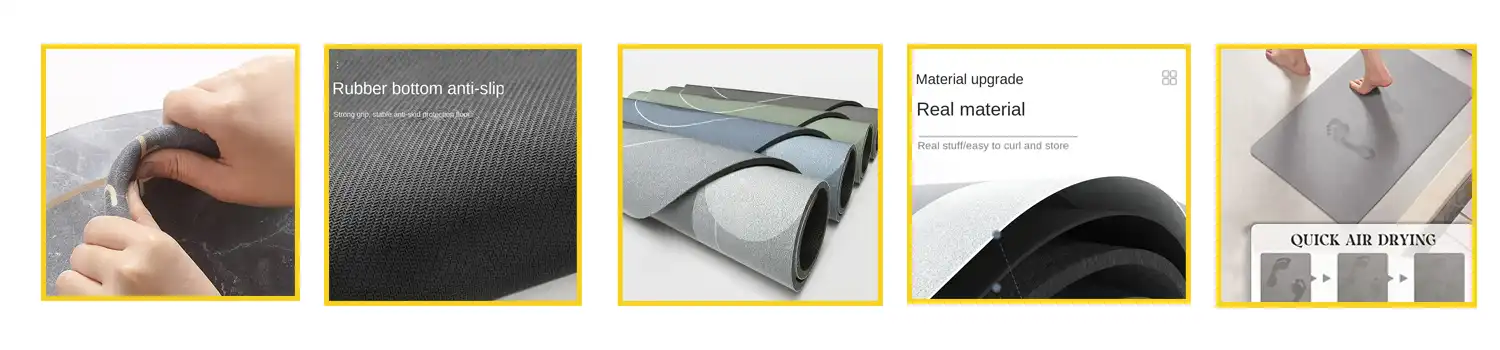
A 3D custom floor mat is an example of cutting-edge flooring technology that was made using precise manufacturing methods. These mats have custom sizes made possible by laser cutting, so they can fit perfectly in any area, like the inside of a car, a business entrance, or a show floor. A high-density tech silk surface (1600g/m²), a foamed rubber middle layer for comfort, and a rough rubber bottom that keeps the mattress from moving are the common layers used in building. This three-layer design keeps water out, is comfortable, and stable in a way that regular goods can't.
How Standard Mats Differ in Construction
Standard mats are made in a way that is similar to mass production, with sizes that fit all and simpler materials. Single-layer rubber or basic carpet materials are used to make these in set sizes (small, medium, and large). Standard mats are cheap and can be used right away, but they aren't very well engineered to handle different floor shapes, moisture management, or unique marking. Their one-size-fits-all approach leaves gaps along the edges, covers some areas but not others, and makes them less protective in commercial settings with a lot of foot traffic.
Why Precision Matters for Commercial Applications
Businesses that run hotels, shops, or office buildings see a direct link between how well floor mats work and how people feel about their brand. Custom-made mats fill in the gaps where dirt and moisture gather, so you don't have to clean the floor as often, and it lasts longer. Standard mats move around a lot while they're being used, making them trip hazards and needing to be repositioned often. When buying in bulk, like when you need to supply 50 hotel rooms or a lot of stores, the difference between exact fit and general size has a big effect on operating efficiency and replacement cycles.
Material Composition and Durability Comparison
Advanced Materials in Custom Floor Mats
The science behind good custom mats focuses on making them last a long time and work well under stress. Our 3D custom floor mats at Tianjin Aijia Carpet Co., Ltd. have a tech velvet layer on top that contains diatom mud technology. This makes the mats naturally absorb moisture and dry quickly. The total thickness of 2.5 mm is soft enough to walk on barefoot while still being strong enough to handle wheeled carts and constant foot traffic. This foamed rubber core absorbs shock and keeps its shape, so it doesn't leave lasting marks like cheaper materials often do.
Most standard mats are made of new or recycled rubber compounds that get harder over time, especially when they are exposed to UV light or extreme temperatures. After months of heavy use, these materials start to crack and bend at the ends and lose their non-slip properties. This wear and tear is especially noticeable for commercial buyers looking for show spaces or event sites, since standard mats need to be replaced after only a few installations, which greatly raises the total cost of ownership.
Water and Stain Resistance Performance
Premium handmade mats are different from basic ones because they can handle moisture better. Our custom mats have anti-slip and anti-stain treatments on the surface that keep liquids from sticking to them. The diatom mud layer soaks up extra moisture and evaporates it. This two-in-one system keeps surfaces dry and safe, and it meets the safety standards for business settings. Mould and smells can't grow because the material is absorbent but dries quickly. This is very important for keeping hotel bathrooms, restaurant entryways, and store changing rooms clean.
Normal mats with rubber surfaces that haven't been treated let water pool on top, making them slippery, or they soak up water into porous materials that never dry completely. This trapped moisture feeds germs and makes smelly things, so repairs need to be done more often. This performance gap directly affects customer happiness and the chance of return business for import wholesalers who work with hotels in North America or Europe.
Design and Functional Differences Impacting Procurement Decisions
Precision Fit Versus Generic Sizing
Custom mats can be made with exact measurements because of how they are made. Our facility's laser cutting technology works on 10,000 square meters every day, making mats in any shape or size, from normal rectangular shapes to curved entrance shapes. This accuracy gets rid of the gaps and overlaps that happen with regular mat placements. This gives the floor full safety and a clean look that boosts the quality of the brand.
Standard generic mats force you to make concessions. A "large" mat might be 24x36 inches, but if the space needs to be 26x38 inches, there will be gaps that let floors get damaged and make the mat look different in different places. When store chains start to renovate their locations or when hotel groups start to standardise the services in guest rooms, these small differences add up to big problems with how people see the quality.
Branding Opportunities Through Customization
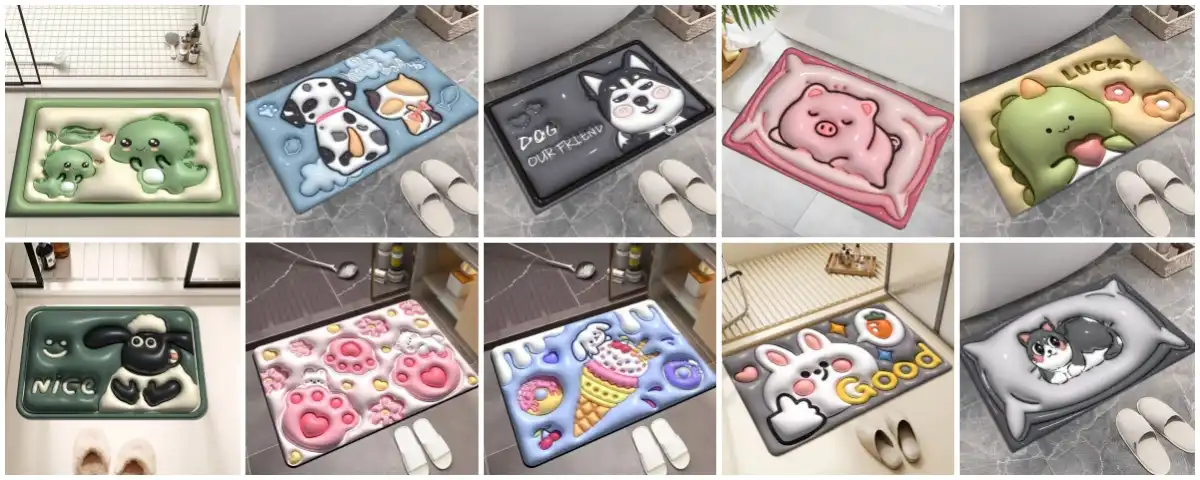
With Custom 3D Fit Floor Mats, useful items become brand assets. We use heat transfer printing to add logos, custom colours, and complicated patterns that follow the rules for corporate identity. Lobby mats in an office building can have company logos on them; mat colours can be coordinated with seasonal displays in a store; and event organisers can put event themes directly into the flooring. This ability to brand things adds marketing value beyond just protecting floors.
When you buy a standard mat, you can only choose from a few uniform colours. Because of this restriction, chances to reinforce the brand at every point of contact with a customer will be missed. E-commerce sellers on Amazon or Shopify who want to set their products apart from others find that custom-printed mats give their products more value and justify charging more, which directly boosts their profit margins and customer reviews.
Enhanced Safety Features
Our custom mats have two layers of anti-slip protection: a velvet surface with a rough texture that keeps you from slipping even when it's wet, and a rubber backing with grip patterns that stick to floors without glue. Commercial property managers don't have to worry about risk with this tech. It cuts down on slip-and-fall accidents that cause insurance claims and legal exposure.
Most standard mats have a smooth rubber back that slides easily on glossy floors, especially when there is water on them. Because they don't have any improved surface treatment, they lose their ability to grip quickly as the surface wears down. For places like exhibition halls and hotel conference centers that host public events or a lot of foot traffic, this difference in safety is a very important thing to think about when buying.
Cost, Ordering Flexibility, and Supply Chain Considerations
Analyzing Total Cost of Ownership
Custom mats usually cost 30 to 50 percent more per unit than standard mats, but they last longer and work better, so you get a better return on your investment. In business settings, our mats keep their shape and look for 3 to 5 years, while most mats need to be replaced every 12 to 18 months. When you add up the total cost of service over a year, custom solutions are often cheaper, especially when you consider the time and money saved on repairs and maintenance.
Buying in bulk makes these savings even bigger. Our flexible minimum order amounts and export-standard packing make shipping costs as low as possible for foreign carpet wholesalers who handle container exports. We offer professional container filling services that make the best use of the room and lower the cost of freight per unit. Standard mat suppliers usually have higher MOQs and less sophisticated packaging, which makes logistics more difficult and costs more.
Lead Times and Production Capacity
When project deadlines are short, production speed is important. Samples are made in 24 to 48 hours at our plant, and large orders under 2,000 square meters are finished in seven days. This quick turnaround helps online sellers who are trying to keep their inventory low and buyers of business projects who have strict installation dates. The daily capacity of 10,000 square meters and established export logistics partnerships make sure that deliveries are always made on time.
Standard mat providers usually have longer wait times because their production methods aren't as automatic and they don't keep as many sizes and colours in stock. This lack of certainty causes supply chain risk for companies that use just-in-time goods or have clients who have set due dates for projects that they can't delay.
Quality Assurance and Compliance
We do a full review of every Custom 3D Fit Floor Mats item before it is shipped, checking that the measurements are correct, the print quality is good, and the material specs match what was ordered. Our CE, OEKO-TEX, ISO 9001, REACH, and EN 1350 certifications show that our goods meet world standards for quality, safety, and the environment. This compliance package makes it easier to clear customs and meets the rules in many markets, such as the EU, North America, and the Middle East.
Standard mat sellers might not have complete testing procedures and certification records, which puts buyers at risk of not following the rules. Shipments that get held up at customs because they don't have the right paperwork or pass the inspections cause expensive delays and could lead to contract penalties. Supplier quality systems have a direct effect on the image risk of trade importers and retail brands that handle their own private label goods.
Benefits and Challenges in Choosing 3D Custom Floor Mats Over Standard Options
Operational Advantages in Commercial Environments
Custom mats provide real, practical benefits that can't be found in standard goods. Because the surface is treated to be easy to clean, spills can be wiped up without leaving stains, which saves time for cleaners. The skin-friendly tech silk surface keeps feet comfortable in places where you can't wear shoes, like hotel baths and spas, which improves guest satisfaction scores. Durable construction can handle moving bags, delivery carts, and a lot of foot traffic without showing any wear, so they look good for as long as they're on the job.
Because of these performance traits, there are fewer customer issues, replacements happen less often, and building upkeep costs go down. Standardising on custom mats makes buying easier, ensures uniform quality, and makes budget planning easier for property managers who are in charge of multiple sites. Being able to replace exact specs, such as unique colours and logos, gets rid of the product difference that makes managing inventory with standard mat sellers hard.
Navigating Initial Investment and Specification Complexity
The main problem is that it costs more up front and needs detailed documentation of the specifications. Before production can start on a custom order, exact measurements, colour choices, and design approvals must be made. Getting these things takes longer this way than just ordering standard sizes from a catalogue. Businesses that aren't used to custom solutions may not realise how much planning is needed, which can cause projects to be late.
Working with experienced manufacturers, on the other hand, makes these problems less of a problem. At Aijia, our dedicated account managers help clients come up with specifications, send digital proofs for approval, and keep detailed records so that reordering is easy. Our OEM and ODM services allow for both full customisation for one-of-a-kind uses and select-style customisation for buyers who want a balance between customisation and ease of ordering.
Supplier Evaluation and Partnership Considerations
To find the best handmade mat maker, you need to look at their production skills, quality control methods, and how reliable their service is. Buyers should check certificates, ask for test results on materials, and see how quickly the seller responds. Working with new providers comes with the risk of quality differences between batches, broken delivery promises, and poor customer service after the sale.
Established makers with a lot of experience in the field, like Aijia's 20 years of making carpets, offer security and a history of success. Our production plan is focused on exports, and we have long-term freight partnerships that make sure foreign shipping is always on time. We promise free rework and replacement for any defects and offer quality guarantees that cover printing accuracy, dimensional tolerances, and material specifications. This lowers the risk, which gives procurement teams peace of mind when switching from standard mat solutions to custom ones.

Conclusion
Choosing between standard 3D floor mats and custom ones has a big effect on how well your business runs, how your brand looks, and how much it costs in the long run. Custom mats are made with high-tech materials that are made to last, and they can be customised with your logo to turn useful items into marketing tools. Even though standard mats are cheap and work for short-term needs, they aren't very good for business uses that need regular quality and a professional look because they can't be customised or last as long. Purchasing managers who work in hotels, retail chains, office buildings, or e-commerce businesses can see a clear return on their investment in custom solutions through lower costs, better safety, and better customer service.
FAQ
1. How do waterproof capabilities compare between custom and standard floor mats?
Custom mats engineered with diatom mud technology and sealed rubber backing provide superior moisture management. The absorbent surface layer captures water while preventing penetration to underlying floors, with quick-drying properties that maintain surface safety. Standard mats typically lack advanced moisture barriers, allowing water to seep through or pool on surfaces, creating slip hazards and potential floor damage.
2. What maintenance practices maximize the lifespan of custom floor mats?
Regular maintenance involves vacuuming to remove loose debris and occasional washing with mild soap and water. The anti-stain treatment allows most spills to be wiped clean immediately. Avoid harsh chemical cleaners or abrasive scrubbing that can degrade surface treatments. For commercial installations, rotating mats between high and low traffic areas helps distribute wear evenly, extending overall service life.
3. What lead times should buyers expect for bulk custom orders with logo printing?
Production timelines vary by order complexity and volume. Sample production typically completes within 24-48 hours. Bulk orders under 2,000 square meters generally ship within seven days. Larger volumes or complex multi-color printing may require 10-14 days. Establishing clear specifications and design approvals at order placement prevents delays and ensures accurate production scheduling.
Partner with Aijia for Premium Custom Floor Mat Solutions
Tianjin Aijia Carpet Co., Ltd. stands ready to support your floor mat procurement needs with professional-grade 3d custom floor mats manufactured to exacting standards. As an established supplier with two decades of carpet production expertise, we deliver bulk pricing advantages, flexible OEM/ODM customization, and rapid turnaround that aligns with demanding commercial schedules. Our ISO 9001, CE, OEKO-TEX, and REACH certifications provide compliance confidence across global markets, while our 100% pre-shipment inspection guarantees consistent quality. Contact our team at sales@aijiarug.com to request samples, discuss your specific requirements, and discover how our custom mat solutions can enhance your product offerings or facility operations.
References
1. Wilson, M. & Chen, L. (2021). Advanced Materials in Commercial Flooring: Performance Characteristics and Selection Criteria. International Journal of Facility Management.
2. Roberts, K. (2022). Cost Analysis of Custom versus Standard Floor Protection Solutions in Hospitality Environments. Journal of Commercial Property Management.
3. Thompson, R. & Martinez, J. (2020). Slip Resistance and Safety Performance in Commercial Floor Mats: A Comparative Study. Safety Engineering Quarterly.
4. Anderson, P. (2023). Supply Chain Optimization for Custom Textile Products in B2B Procurement. Global Trade Review.
5. Zhang, H. & Peterson, D. (2022). Material Science Innovations in Water-Absorbent Flooring Technologies. Building Materials Research Journal.
6. Collins, S. (2021). Branding Through Functional Products: Custom Floor Mats in Retail Environments. Retail Design International.
Request fast quotes for bulk carpets, OEM & ODM floor mats, supported by strict quality control and complete supply chain.