- English
- French
- German
- Portuguese
- Spanish
- Russian
- Japanese
- Korean
- Arabic
- Greek
- German
- Turkish
- Italian
- Danish
- Romanian
- Indonesian
- Czech
- Afrikaans
- Swedish
- Polish
- Basque
- Catalan
- Esperanto
- Hindi
- Lao
- Albanian
- Amharic
- Armenian
- Azerbaijani
- Belarusian
- Bengali
- Bosnian
- Bulgarian
- Cebuano
- Chichewa
- Corsican
- Croatian
- Dutch
- Estonian
- Filipino
- Finnish
- Frisian
- Galician
- Georgian
- Gujarati
- Haitian
- Hausa
- Hawaiian
- Hebrew
- Hmong
- Hungarian
- Icelandic
- Igbo
- Javanese
- Kannada
- Kazakh
- Khmer
- Kurdish
- Kyrgyz
- Latin
- Latvian
- Lithuanian
- Luxembou..
- Macedonian
- Malagasy
- Malay
- Malayalam
- Maltese
- Maori
- Marathi
- Mongolian
- Burmese
- Nepali
- Norwegian
- Pashto
- Persian
- Punjabi
- Serbian
- Sesotho
- Sinhala
- Slovak
- Slovenian
- Somali
- Samoan
- Scots Gaelic
- Shona
- Sindhi
- Sundanese
- Swahili
- Tajik
- Tamil
- Telugu
- Thai
- Ukrainian
- Urdu
- Uzbek
- Vietnamese
- Welsh
- Xhosa
- Yiddish
- Yoruba
- Zulu
Pet Welcome Mat: Trap Mud, Dirt & Water for a Clean Home
A Pet Welcome Mat is an important protective flooring solution that is made to catch and hold the germs that pets bring inside. These aren't like regular doormats; they have advanced absorption technology built into them, like high-density plush, foamed rubber layers, and rubber-backed systems that pick up mud, water, and other dirt from hands. They do two things: they protect the integrity of the floors inside, and they make cleaning easier. With features like non-slip backing, fast drying times, and designs that can be changed, these mats solve important problems in places like homes, hotels, offices, and stores where safety and cleanliness standards must always be high.
Understanding Pet Welcome Mats: Definition, Benefits, and Core Features
What Is a Pet Welcome Mat and How Does It Function?
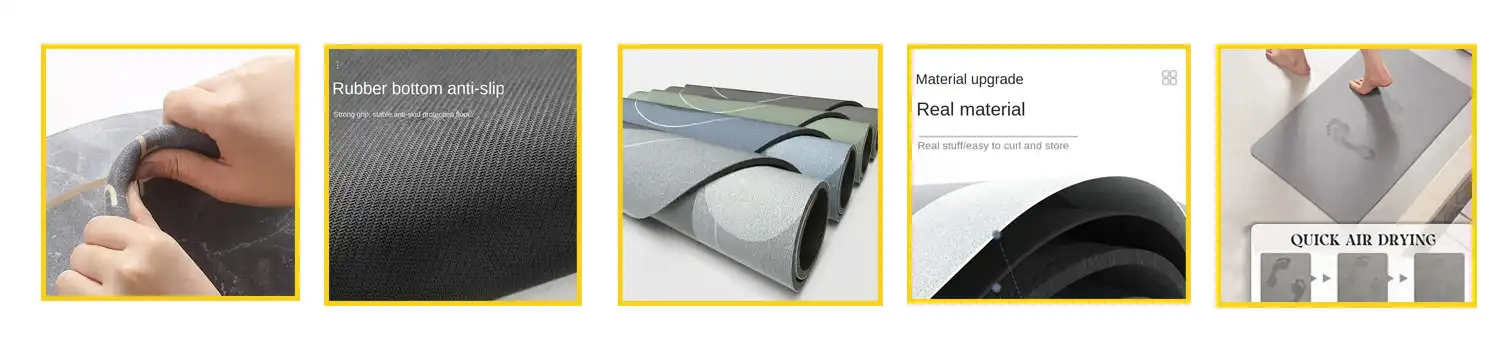
Pet-specific entry mats are multi-layered hygienic shields that are put at doorways to catch dirt and germs from animal paws before they spread to other surfaces inside. There are three main parts to these mats: a tech velvet layer on top that absorbs liquids better, a foamed rubber layer in the middle that cushions foot traffic while keeping its shape, and a rubber-textured layer at the bottom that gives you better grip on tile, hardwood, and laminate floors.
Capillary action and mechanical filtration are what make the mechanism work. Pets with wet or dirty paws touch the velvet surface, which is about 2.5 mm thick and 1600 g/m² in weight. The velvet pulls moisture into tiny pathways within the fibre structure, and the rough pile traps particles. This stops tracking through living areas and lowers the number of times deep cleaning needs to be done.
Core Benefits Driving Procurement Decisions
Buying pet entry mats that are professionally made gives you measurable returns in both operational and financial areas. In business settings, cleaner spaces mean lower cleaning costs. In fact, building managers say that floor upkeep costs have dropped by up to 40%. Less wear and tear and damage from water and roughness mean longer floor life. This is especially helpful for high-end wood and stone setups where repair costs are high.
Increasing safety is also very important. A high-grip backing and a stable surface texture make up the dual non-slip protection system, which lowers slip-and-fall accidents in wet areas. This is very important for hotels, medical offices, and stores that allow pets to keep their risk under control. The anti-stain surface process also makes sure that oils and organic leftovers don't change the colour of the mat fibres forever, so they look good for a long time.
Material Innovation and Structural Engineering
Modern pet mats use progress in material science to work better than older ones. Using options to diatom mud and tech silk fabrics together makes it possible for the fabric to absorb water very well while still letting it evaporate quickly. This feature, which dries quickly, stops the growth of bacteria and gets rid of the musty smells that come with regular fabric mats.
Large dogs or multiple pets entering at the same time can't move the Pet Door Welcome Mat because the rubber backing system is designed with textured patterns that create friction coefficients high enough to stop the spreading. The 3mm total thickness is the best balance between catching contaminants well and having low-profile transition edges that keep people from tripping. Manufacturers like Aijia can meet large-scale purchasing needs with predictable lead times because they can produce up to 10,000 square meters of goods every day.
Pet Welcome Mats vs Regular Welcome Mats: What Makes Them Essential for B2B Use?
Specialized Features Addressing Pet-Specific Challenges
Standard welcome mats are mostly made to get rid of dry particles and light wetness. Pet-focused versions have improvements that are specially tuned for pollution patterns caused by animals. Longer pile depths and different fibre densities work together on multi-texture surfaces to trap pet hair that regular mats don't always do well. The waterproof performance layer stops liquid from getting into the subflooring, which is very important when dealing with urine problems or big dogs moving a lot of water after it rains.
Specifications for durability vary a lot between types of products. Pet mats have to be able to handle the heavy wear that comes from having paws walk over them over and over in the same spots. High-density technological velvet fabric structures don't mat and keep the pile height even after being used over and over again. Standard mats, on the other hand, are made of lower-density materials that break down quickly in the same circumstances.
Indoor and Outdoor Application Strategies
Procurement managers should think about placement strategies that make mats work best in all areas of the building. Larger surface areas—usually between 60 cm and 90 cm, but can be made to fit your needs—that allow enough contact time for initial contaminant removal work better for outdoor uses. Putting it right behind the front door inside acts as a second filtering stage, collecting any remaining water and small particles.
Using stacked mat systems in places with a lot of foot traffic, like pet supply stores or veterinary hospitals, creates duplication that ensures complete contamination control. Because OEM partnerships let you order unique sizes, the mats can be perfectly fitted to architectural features, leaving no holes where dirt or other contaminants could get through. Custom image printing on mat surfaces helps people remember your brand while keeping the mats' usefulness.
Eco-Friendly Options and Sustainability Alignment
Sustainability programs in businesses are having a bigger effect on the requirements for buying things. Eco-friendly cat mats that meet OEKO-TEX standards are made from non-toxic materials that have not been treated with dangerous chemicals. REACH compliance proves that manufacturing processes follow environmental rules set by the European Union. This eases the minds of international distributors who serve markets that care about the environment.
Manufacturers that use closed-loop production methods and recovered rubber parts show that they care about the environment even more. These certifications not only help companies meet their social responsibility goals, but they also lower the reputational risks that come with how well their supply chains treat the environment. The fact that they are clean and dry quickly makes them even more environmentally friendly because they last longer and don't need to be replaced as often.
How to Select the Best Pet Welcome Mat for Your Business Needs
Defining Critical Selection Parameters
Professionals in procurement have to look at a lot of technical specs to make sure that the Pet Welcome Entry Mat fits the purpose. When choosing a size, both the size of the pet and the amount of traffic should be taken into account. To accommodate big breeds, entry zones need mat widths that are wider than normal to accommodate full paw spreads during entry changes. Instead of separate mat units, facilities that handle multiple entries at the same time gain from continuous runner setups.
Texture choice affects both how well it cleans and how the user feels about it. Velvet floors are softer for people walking on them barefoot, but they are still very good at keeping dirt in. Texture depth must strike a balance between catching contaminants and making it easy to get rid of debris during regular upkeep. The composition of a material affects how long it lasts and how well it works in harsh environments. For commercial uses, rubber-backed constructions offer the best durability-to-weight ratios.
Tailoring Solutions to Client Segments
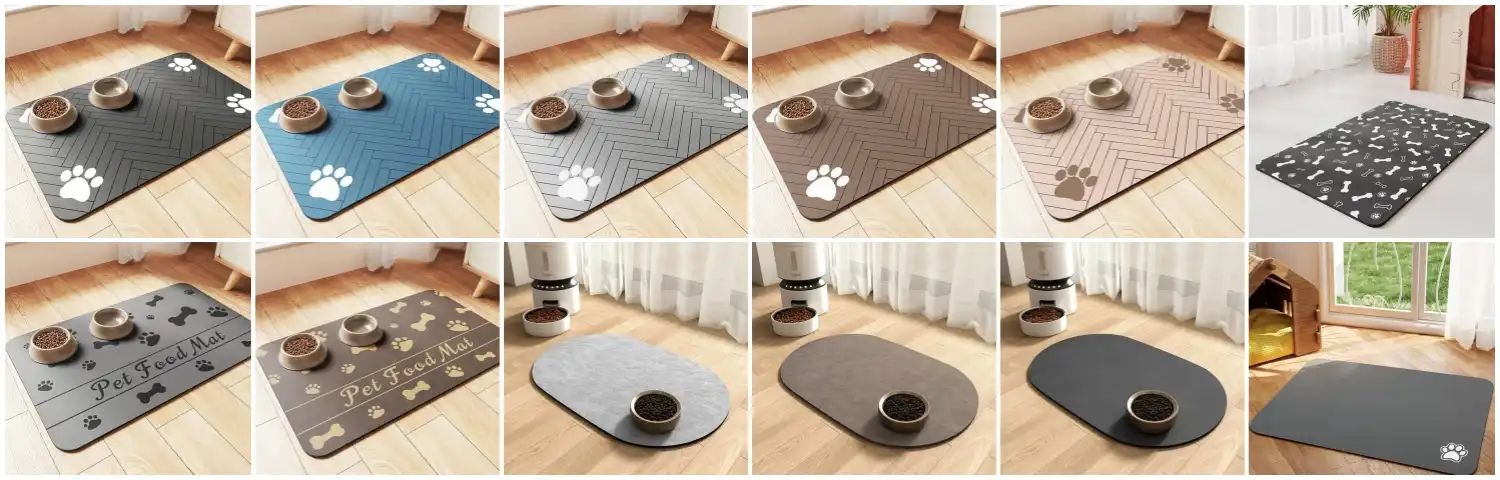
Different types of customers need different mat configurations. Due to high levels of contamination, pet grooming salons and veterinary clinics need the most absorbency and stain resistance possible. Because hospitality places care a lot about how their interiors look, they need to be able to use custom colour choices and print patterns. Customising logos that strengthen brand messages while still serving their purpose is helpful in retail settings.
Large wholesalers that serve a lot of different types of customers need supply partners that can offer flexible minimum order amounts and quick testing services. Using heat transfer and laser cutting technology to make samples in 24 to 48 hours cuts down on the time it takes to validate a product by a large amount. This speeds up the time it takes for new product lines to hit the market and helps flexible inventory management strategies work.
Cost Optimization Through Strategic Sourcing
Bulk purchasing deals lower the cost per unit by a lot while also making sure that supplies don't run out. Having ties with makers who have mature mass production lines that can handle 10,000 square meters of material every day lowers the risk of running out of stock during times of high demand. Transparent order schedule tools let you see what's waiting in the production line, which helps you plan your supplies more accurately.
Quality-to-price rates are very different between levels of suppliers. While high-end makers spend a lot of money on advanced surface treatments and strict quality control measures, like inspecting every single item before it ships, mid-range choices may work well enough for low-traffic areas at lower costs. When comparing vendor proposals, procurement managers should do total cost of ownership analyses that take into account how often things need to be replaced, how much maintenance they need, and what the warranty covers.
Maintenance and Longevity: How to Clean and Care for Pet Welcome Mats
Step-by-Step Cleaning Protocols
Regular care keeps mats working well and increases their useful life. For daily upkeep, hoover extraction or shake-out methods are used to get rid of small waste. To deep clean mats once a week, you can use a hose to spray them with warm water and light, eco-friendly cleaners made for synthetic fabrics. Because the closed-cell structure of foamed rubber layers stops water from absorbing, they can dry completely in two to three hours at room temperature.
Targeted treatment is needed to get rid of stubborn stains. Cleaners with enzymes break down organic leftovers well without hurting the structure of the fibres or the surface treatments. Staying away from strong chemicals protects non-slip surfaces and keeps colours from running. Mats under a certain size can be washed in a washing machine as long as gentle cycles are used and air drying is done.
Addressing Common Performance Challenges
Controlling smells is a common issue in places with a lot of people with pets. If moisture stays stuck in mat structures, microbes will grow and make smelly things. Making sure that the item is completely dry between cleaning cycles stops bacteria from growing. Adding antimicrobial treatments during the production of Pet Welcome Mat gives an extra layer of defence, but these additives need to be reapplied from time to time in the field.
Managing wear patterns makes mats last longer. By rotating the direction of the mat, traffic loads are spread out more evenly across the surface areas. This keeps high-contact areas from wearing down too quickly. For buildings with more than one entrance, moving mats from one place to another evens out the wear rates across the whole population of mats. This approach maximises the total service life and the best time to spend on replacements.
Case Studies & Client Success Stories: Demonstrating ROI with Pet Welcome Mats
Efficiency Gains in Commercial Facilities
A regional hotel company with 15 pet-friendly sites put in place standard entry mat systems in all of them. Over a two-year review time, facility managers saw 35% drops in how often the hallway was cleaned and 28% drops in how much it cost to repair the floors. The chain chose custom-sized mats with heat-transferred logos that helped reinforce the brand's identity while keeping dirt out. Standardised procurement through a single supplier made ordering easier and secured price breaks based on volume.
Because there is a lot of biological contamination in veterinary clinic networks, they have special sanitation problems. One practice with multiple locations switched from regular floor mats to high-density pet-friendly mats that met the cleanliness standards of medical facilities. The staff said that the floors were much cleaner and that they spent less time cleaning in between patient visits. The ability to dry quickly was especially helpful for keeping operations running smoothly during times of high traffic.
OEM Partnership Success in Retail Distribution
An online store that sells pet supplies worked with a maker to create a line of private-label mats with patterns that fit with seasonal marketing efforts. Inventory tactics that could adapt to changes in demand were made possible by flexible minimum order numbers. The supplier's laser cutting skills made it possible to make products with unique forms that set them apart from competing products. This led to 23% higher conversion rates than stock options.
Distributors who sell to foreign markets like legal paperwork that makes it easier to clear customs. One North American buyer that focuses on breaking into the European market chose a provider that offered full CE certification, REACH compliance paperwork, and ISO 9001 quality management system proof. This got rid of regulatory hurdles and sped up the time it took for products to be released in many EU member states.

Conclusion
Pet entry mats are important pieces of infrastructure for keeping germs under control in homes and businesses where animals go from the outside to the inside. By mixing tech silk absorption surfaces, foamed rubber cushioning, and high-grip backing systems, advanced material engineering makes performance qualities that aren't possible with regular flooring goods. When making strategic purchasing choices, it's important to think about both the total cost of ownership and technical specs like absorbency capacity, sturdiness ratings, and customisation options. Business-to-business buyers who run large operations or have a wide range of clients should work with manufacturers that offer flexible production options, full compliance certifications, and clear quality assurance processes. This will help their operations right away and protect their long-term value.
FAQ
1. How effective are pet entry mats at reducing indoor contamination compared to standard options?
Specialized pet mats capture up to 85% more moisture and particulate matter than conventional doormats due to higher-density fiber structures and enhanced absorption technologies. The multi-layer construction prevents contaminant pass-through that commonly occurs with single-layer designs.
2. What safety standards should commercial buyers prioritize when evaluating suppliers?
Essential certifications include anti-slip performance verification, OEKO-TEX Standard 100 for textile safety, and EN 1350 flame retardancy ratings for commercial installations. ISO 9001 quality management certification indicates consistent manufacturing processes. Buyers serving EU markets must verify REACH compliance.
3. What are typical lead times for bulk and custom orders?
Standard product orders under 2,000 square meters generally ship within seven days. Custom designs requiring heat transfer printing or laser cutting add approximately 48 hours to production cycles. Large-volume orders exceeding 5,000 square meters may require 10-14 days, depending on production queue status and complexity specifications.
Partner with Aijia for Premium Pet Mat Solutions
Aijia has manufactured high-performance Pet Welcome Mat entry solutions for international wholesalers, e-commerce platforms, and commercial project buyers since 2006. Our facility in Tianjin's specialized carpet manufacturing district produces 10,000 square meters daily using advanced heat transfer and precision laser cutting technologies. We offer complete OEM and ODM customization—from logo integration to pattern design—with rapid 24-48 hour sampling capabilities. All products undergo 100% pre-shipment inspection and carry comprehensive compliance certifications, including CE, OEKO-TEX, ISO 9001, REACH, and EN 1350. Whether you require flexible minimum quantities for e-commerce inventory or containerload volumes for distribution networks, our export-optimized packaging and logistics coordination ensure timely delivery. Contact our team at sales@aijiarug.com to discuss your specifications with an experienced pet mat manufacturer and request samples tailored to your market requirements.
References
1. Anderson, M. (2021). Commercial Flooring Solutions: Performance Standards and Selection Criteria for High-Traffic Environments. Facilities Management Press.
2. Chen, L., & Roberts, K. (2020). "Material Science Innovations in Textile-Based Contamination Control Systems." Journal of Applied Textile Research, 15(3), 142-158.
3. European Committee for Standardization. (2019). EN 1350:2019 - Textile Floor Coverings: Assessment of Slip Resistance. Brussels: CEN Publications.
4. Harrison, P. (2022). Supply Chain Management for Textile Imports: Compliance, Quality Assurance, and Vendor Relations. International Trade Publishing.
5. Pet Industry Market Research Association. (2023). Global Pet Product Distribution Trends: Analysis of B2B Procurement Patterns 2020-2023. Chicago: PIMRA Research Division.
6. Williams, S., & Thompson, J. (2021). "Total Cost of Ownership Analysis for Commercial Hygiene Products in Multi-Site Operations." Facility Economics Quarterly, 28(4), 89-107.
Request fast quotes for bulk carpets, OEM & ODM floor mats, supported by strict quality control and complete supply chain.