- English
- French
- German
- Portuguese
- Spanish
- Russian
- Japanese
- Korean
- Arabic
- Greek
- German
- Turkish
- Italian
- Danish
- Romanian
- Indonesian
- Czech
- Afrikaans
- Swedish
- Polish
- Basque
- Catalan
- Esperanto
- Hindi
- Lao
- Albanian
- Amharic
- Armenian
- Azerbaijani
- Belarusian
- Bengali
- Bosnian
- Bulgarian
- Cebuano
- Chichewa
- Corsican
- Croatian
- Dutch
- Estonian
- Filipino
- Finnish
- Frisian
- Galician
- Georgian
- Gujarati
- Haitian
- Hausa
- Hawaiian
- Hebrew
- Hmong
- Hungarian
- Icelandic
- Igbo
- Javanese
- Kannada
- Kazakh
- Khmer
- Kurdish
- Kyrgyz
- Latin
- Latvian
- Lithuanian
- Luxembou..
- Macedonian
- Malagasy
- Malay
- Malayalam
- Maltese
- Maori
- Marathi
- Mongolian
- Burmese
- Nepali
- Norwegian
- Pashto
- Persian
- Punjabi
- Serbian
- Sesotho
- Sinhala
- Slovak
- Slovenian
- Somali
- Samoan
- Scots Gaelic
- Shona
- Sindhi
- Sundanese
- Swahili
- Tajik
- Tamil
- Telugu
- Thai
- Ukrainian
- Urdu
- Uzbek
- Vietnamese
- Welsh
- Xhosa
- Yiddish
- Yoruba
- Zulu
Everything You Need to Know about Black Jute Door Mat
If you're sourcing entrance matting for commercial or residential distribution, the black jute door mat deserves serious attention. Made from natural linen fiber with a rubber non-slip base, this mat combines eco-conscious material with commercial-grade performance. It absorbs moisture quickly, resists staining, and holds up under heavy foot traffic. Whether you're a wholesale importer, an Amazon seller, or a hotel procurement manager, this guide walks you through everything—from fiber composition and product specs to sourcing strategy and maintenance best practices.
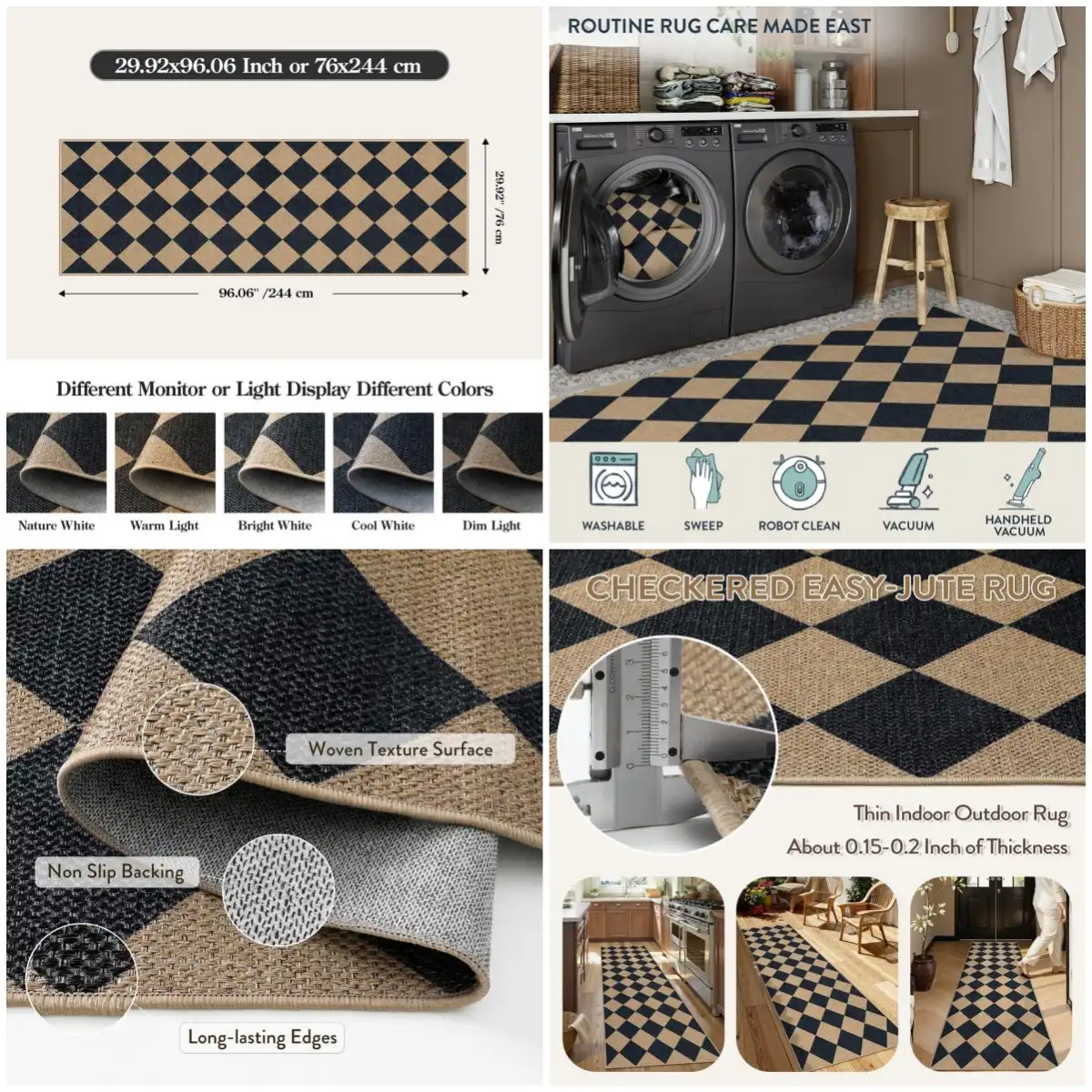
What Is a Black Jute Door Mat? Understanding Its Natural Fiber Advantages
The Composition and Production Process
High-density machine stitching is used to make a black jute door mat from natural fibers derived from linen. This creates a tight, robust surface with an edge-locking width of 0.6 cm. Prior to reaching its final form, the raw fiber goes through cleaning, spinning, dyeing, and sewing. The end result is a mat that is 1,600 g/ heavy and 3 mm thick, which is thick enough for business use but not too thick for high-end homes.
Natural linen fiber breaks down naturally, lets air flow, and leaves a much smaller carbon footprint than synthetic materials made from petroleum. The Food and Agriculture Organization of the United Nations says that growing jute needs very few pesticides and improves the quality of the land as it grows. This makes it one of the most eco-friendly fiber crops in the world.
How does Black Jute compare to Other Natural Fibers?
| Fiber Type | Durability | Softness | Biodegradable | Moisture Absorption |
|---|---|---|---|---|
| Linen/Jute | High | Medium-High | Yes | Excellent |
| Coir | Very High | Low | Yes | Moderate |
| Cotton | Medium | High | Yes | Good |
| Coconut Fiber | High | Low | Yes | Moderate |
Black jute door mat is the perfect blend of affordability and durability—it's about the same as coir or coconut fiber, but it feels much softer underfoot. This means it can be used in entryways that are just functional, as well as in hotel lobbies and high-end store floors where the quality of the touch is important.
Key Benefits and Performance of Black Jute Door Mats for Commercial Use
Performance Advantages That Drive Procurement Decisions
When buying entrance mats for business projects, purchasing managers always look at how long they will last, how much they will cost to maintain, and how well they will fit with the surroundings. That's exactly what the black jute door mat does for all three. Here are the main ones that make it better in terms of performance:
- Efficient water absorption and quick drying: the surface of the linen quickly soaks up tracked-in wetness and lets it go through natural evaporation, keeping entryways dry without the dampness that synthetic pile mats often trap.
- Rubber non-slip base: The textured rubber bottom of a black jute door mat keeps the mat from moving around when it's wet, which is an important safety feature in places like hotel hallways, office lobbies, and stores where slip-and-fall risk is a real issue.
- Skin-friendly and breathable: The base material is linen, which is soft against bare skin and allows airflow. This makes it ideal for spa doors, health centers, and homes where comfort is important.
- Durable and wear-resistant: High-density machine sewing makes sure that the structure stays strong even when it is used a lot. The mat can handle being walked on over and over again without the fibers breaking down or the pile visibly compressing.
- Stain-resistant surface treatment: The treated surface doesn't show light dirt and makes daily maintenance easier, which saves money on cleaning labor costs in commercial settings with a lot of foot traffic.
All of these benefits make the black jute door mat a great choice for people who want to buy something that will work well in a variety of business settings without needing to be replaced often.

Black Jute Door Mat vs. Other Door Mats: A Rational Choice for Procurement
When procurement professionals look at different entrance mat options, they often have to choose between cost, style, and environmental friendliness. The comparison below shows where natural jute mats really do have an edge.
| Criteria | Black Jute Mat | Synthetic Mat | Coir Mat |
|---|---|---|---|
| Eco-certification eligible | Yes | Rarely | Yes |
| Comfort underfoot | High | Medium | Low |
| Customization options | Full OEM/ODM | Limited | Limited |
| Maintenance effort | Low | Low | High |
| OEKO-TEX compliance | Yes | Varies | Rarely |
In some areas, synthetic mats may be cheaper per unit, but they can't keep up with the rising demand for goods that are OEKO-TEX and REACH-compliant, which is something that more and more European and North American store chains and hotel groups want. Black jute door mats, on the other hand, are in line with green building certification programs like LEED and BREEAM. This gives commercial buyers a way to buy that meets both operational and corporate social responsibility needs.
How to Source and Purchase Black Jute Door Mats: A B2B Buying Guide?
What Drives Price and How to Evaluate Suppliers?
The landed cost of a bulk jute mat order depends on a number of factors, including the fiber grade, surface treatment requirements, level of customization, order volume, and package design. If you buy a black jute door mat directly from a verified manufacturer instead of going through a middleman, you can usually get better prices and better quality control.
When choosing a provider, give more weight to those who can show:
- Some of the certifications are ISO 9001, OEKO-TEX, CE, REACH, and EN 1350.
- A known ability to make things
- We can do OEM/ODM work in-house, which includes writing logos, making changes to sizes, and matching colors.
- Standard packing for export, like roll packaging, cartons, or woven bags, that is good for container efficiency
Customization and Logistics Considerations
Aijia can be fully customized for OEM and ODM orders. Any pattern can be printed with high-definition color accuracy using heat transfer printing, and laser cutting can handle shapes and sizes that aren't standard. Lead time is about 7 days for bulk orders that are less than 2,000 naira. Export packaging is made to withstand pressure and keep out moisture. Container loading rates are also optimized to lower unit logistics costs, which is important for importers who are trying to stick to tight freight budgets.
Maintenance and Longevity: Prolonging the Life of Black Jute Door Mats
Cleaning Techniques That Preserve Fiber Integrity
Care for natural fabric mats is different from care for manufactured mats. Abrasive particles can't get into the weave if you regularly shake out the loose debris. Most spots can be removed by wiping them off with a wet cloth and mild soap. The surface treatment on these mats makes them less likely to get stained, so they don't need to be deep cleaned as often.
Don't let saturation last too long. While the surface of a linen mat quickly and efficiently soaks up water, leaving a jute mat submerged or wet for long periods of time weakens the fiber bonds over time. In places with a lot of humidity, make sure there is enough airflow under and around the mat. Keep rolled-up mats that aren't being used in a dry, well-ventilated area to keep mold from growing and fibers from getting distorted.
These practices greatly increase the service life, protecting the investment in buying new things and lowering the damage that comes from replacing things too soon.
Conclusion
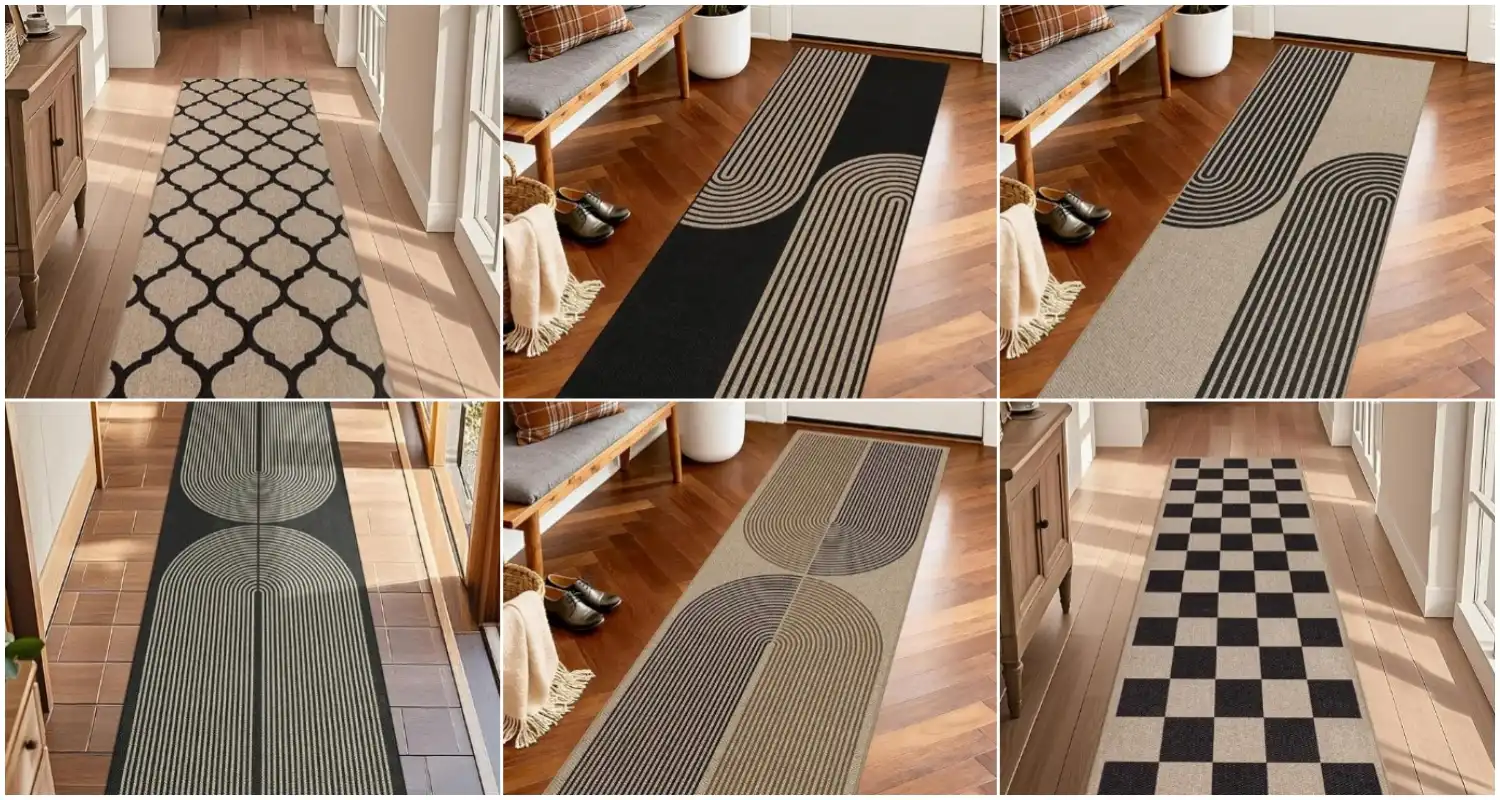
The black jute door mat stands out in the market for entrance mats because it is made from a natural material and performs well enough for commercial use. It also has environmental credentials. With a cloth surface, a non-slip rubber backing, a stain-resistant treatment, and many ways to make it your own, it can meet the needs of hotels, wholesalers, retail brands, and online sellers. If you buy from a certified maker with experience exporting, you can be sure of regular quality, on-time delivery, and the compliance paperwork your markets need.
FAQ
1. Are black jute door mats suitable for high-traffic commercial areas?
Yes. With a weight of 1,600 g/ gram and high-density machine weaving, these mats are strong enough for hallways, store floors, and office entrances. The rubber base won't move even when it's being walked on a lot, and the wear-resistant linen surface will keep looking good after a lot of use.
2. What environmental advantages do natural jute mats offer over synthetic options?
Jute mats made from linen break down naturally and can get OEKO-TEX certification, which means they don't contain any harmful chemicals. They meet the requirements for LEED and BREEAM green building points and meet company sustainability goals that plastic mats usually can't.
3. Can I order custom sizes and branded designs for a corporate project?
Of course. OEM and ODM services include printing logos, matching colors exactly, making sizes that aren't standard, and designing patterns just for you. Within 24 to 48 hours, samples can be made, which allows for quick review processes before mass production starts.
4. What packaging options are available for export shipments?
You can get roll packaging, box packaging, and woven bag packaging that meet export standards. The packaging is made to handle the pressure and moisture of shipping, and the way containers are loaded is adjusted to keep per-unit freight costs as low as possible.
Source Your Black Jute Door Mat Supply with Aijia
After 20 years, Aijia has become known as a reliable source for black jute door mats in North America, Europe, and the Middle East. It serves distributors, e-commerce brands, and commercial project buyers. Aijia always sends high-quality goods because it can make 10,000 yen worth of goods every day, does full OEM/ODM work, and is certified by ISO 9001, CE, OEKO-TEX, and REACH. Email sales@aijiarug.com right now to get bulk prices and a unique quote.
References
1. Food and Agriculture Organization of the United Nations. Jute and Allied Fibers: Production and Market Trends. FAO, 2021.
2. Textile Exchange. Preferred Fiber & Materials Market Report. Textile Exchange, 2022.
3. OEKO-TEX Association. OEKO-TEX Standard 100: Testing for Harmful Substances. OEKO-TEX, 2023.
4. U.S. Green Building Council. LEED v4 Reference Guide for Interior Design and Construction. USGBC, 2020.
5. International Organization for Standardization. ISO 9001:2015 Quality Management Systems — Requirements. ISO, 2015.
6. European Chemicals Agency. REACH Regulation: Understanding the Basics for Textile Importers. ECHA, 2022.
Request fast quotes for bulk carpets, OEM & ODM floor mats, supported by strict quality control and complete supply chain.