- English
- French
- German
- Portuguese
- Spanish
- Russian
- Japanese
- Korean
- Arabic
- Greek
- German
- Turkish
- Italian
- Danish
- Romanian
- Indonesian
- Czech
- Afrikaans
- Swedish
- Polish
- Basque
- Catalan
- Esperanto
- Hindi
- Lao
- Albanian
- Amharic
- Armenian
- Azerbaijani
- Belarusian
- Bengali
- Bosnian
- Bulgarian
- Cebuano
- Chichewa
- Corsican
- Croatian
- Dutch
- Estonian
- Filipino
- Finnish
- Frisian
- Galician
- Georgian
- Gujarati
- Haitian
- Hausa
- Hawaiian
- Hebrew
- Hmong
- Hungarian
- Icelandic
- Igbo
- Javanese
- Kannada
- Kazakh
- Khmer
- Kurdish
- Kyrgyz
- Latin
- Latvian
- Lithuanian
- Luxembou..
- Macedonian
- Malagasy
- Malay
- Malayalam
- Maltese
- Maori
- Marathi
- Mongolian
- Burmese
- Nepali
- Norwegian
- Pashto
- Persian
- Punjabi
- Serbian
- Sesotho
- Sinhala
- Slovak
- Slovenian
- Somali
- Samoan
- Scots Gaelic
- Shona
- Sindhi
- Sundanese
- Swahili
- Tajik
- Tamil
- Telugu
- Thai
- Ukrainian
- Urdu
- Uzbek
- Vietnamese
- Welsh
- Xhosa
- Yiddish
- Yoruba
- Zulu
How to Choose a Nursery Rug in 2026
Choosing the right nursery rug involves prioritizing child safety, material durability, and compliance with 2026 environmental standards. A Rug In Nursery Room applications must balance soft tactile comfort for infants with practical features like stain resistance and hypoallergenic properties. Modern procurement managers evaluate non-toxic certifications, ease of maintenance, and supplier reliability when selecting floor coverings for childcare facilities. The increasing demand for eco-conscious products has reshaped the market, pushing manufacturers to adopt sustainable practices while maintaining competitive pricing for bulk orders.
Understanding Nursery Rug Needs and Challenges
Safety Hazards from Material Composition
A lot of regular rugs give off volatile chemical compounds that make the air quality in nurseries worse. Chemical treatments that make clothes less likely to stain can sometimes have ingredients that can affect kids with sensitive skin or breathing problems. Without full lab testing, it's hard for procurement managers to find products that are truly free of formaldehyde, heavy metals, and azo dyes. Labels that aren't the same across all foreign markets make it harder to check, especially when buying from more than one seller.
Durability Requirements in High-Traffic Environments
There is always foot traffic, spills, and wear and tear from toys and furniture moving around in childcare centers. Standard area rugs wear out quickly in these conditions, so they need to be replaced often, which puts a strain on operational budgets. It's important that the tuft bind strength is high because loose fibers can cause choking hazards and weaken the rug's structure. Backing materials must be able to be cleaned over and over again without coming apart or curling at the edges, which could cause someone to trip.
Hygiene Maintenance Complexity
To stop germs from growing and allergens from building up, nurseries need to be deep cleaned often. Traditional wool or high-pile synthetic rugs trap moisture and dirt, which gives dust mites a place to live and grow. It's hard for procurement teams to find a balance between people's visual tastes and the need to clean, especially when facilities don't have industrial-grade laundry equipment. Because industrial rugs are usually too heavy and big to take apart and wash, they need to be made of materials that are easy to clean in spots.
Essential Criteria for Choosing the Best Nursery Rug in 2026
Material Selection and Performance Specifications
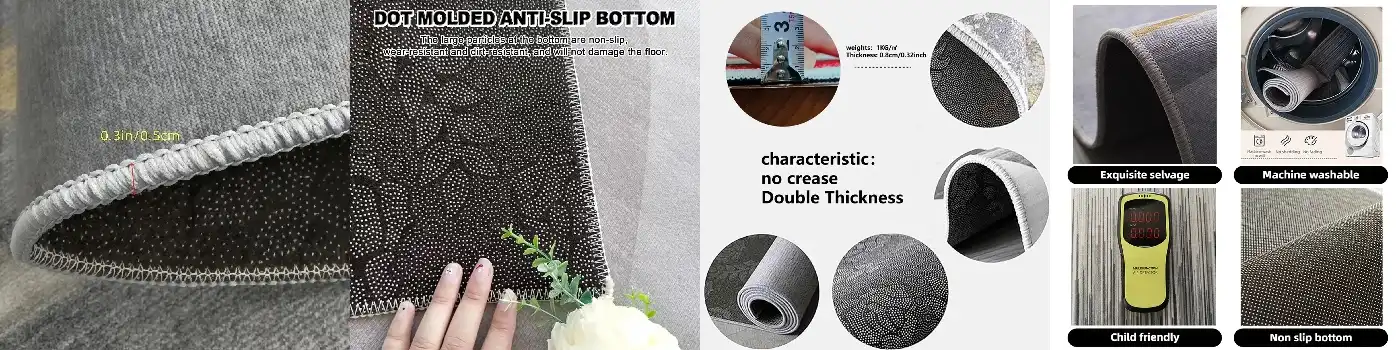
Crystal velvet polyester Nursery Room Rugs have become popular in commercial nurseries because they are soft and durable at the same time. The 5mm thickness profile gives enough cushioning for falls without making it hard to open doors, which happens with thicker carpets. There is a range of gram weights from 750 to 1100g/. Lighter options are better for play areas where the balls need to be moved around a lot, while denser constructions work better in fixed installations. The dot plastic PVC backing makes the surface non-slip without the need for separate gripper pads. This makes installation cheaper for big projects.
Advanced stain-resistant technologies that keep liquids away from surfaces without using harsh chemical coatings are now used in surface treatments. Quick-drying features cut down on downtime after cleaning, so the building can keep running during busy registration times. Edge-locking construction with 0.6 cm binding stops fraying even when vacuuming very hard, so the product lasts a lot longer than when the edges are just hemmed.
Safety Certifications and Compliance Standards
OEKO-TEX certification is now required, not just optional, for nursery-grade fabrics. This makes sure that the textiles don't contain any dangerous chemicals by testing them in a separate lab. CE marking makes sure that safety rules set by the European Union are followed. This is especially important for businesses that do business in more than one country. REACH rules limit the use of certain chemicals in manufacturing, which protects both consumers and plant workers. Flame retardancy grades under EN 1350 make sure that fire safety is met without using harmful brominated chemicals.
Instead of relying only on images of certificates, procurement teams should ask for full test reports. This is because documentation gaps can happen during customs checks or auditor reviews.
Customization Capabilities and Order Flexibility
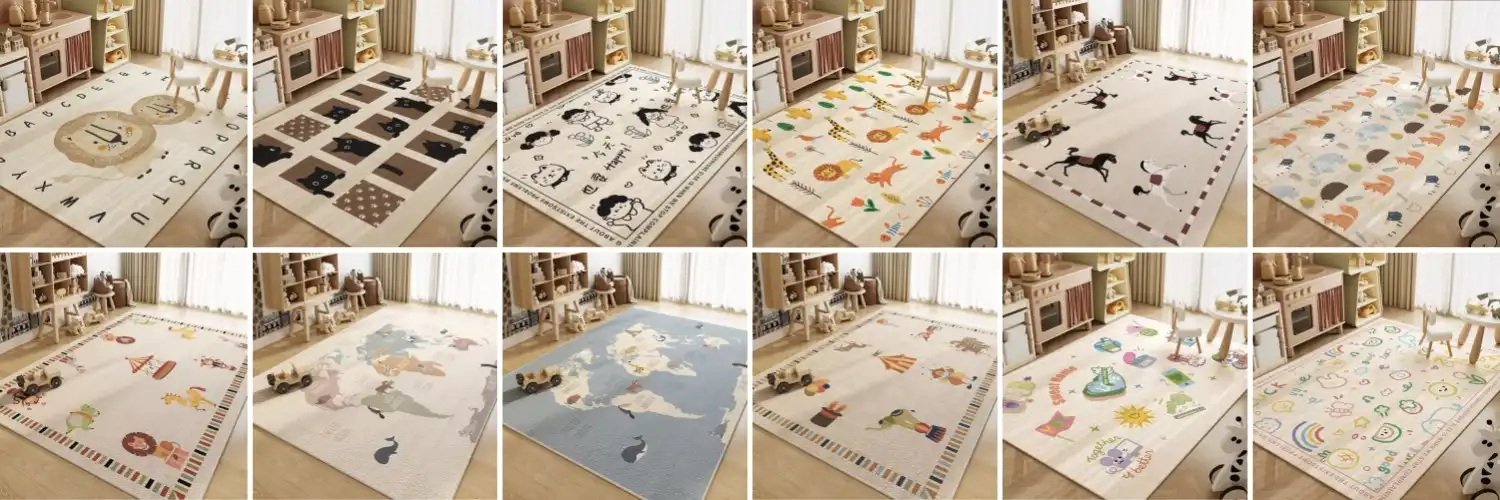
These days, childcare brands need custom-printed designs that fit with educational themes or facility branding guidelines more and more. Heat transfer printing technology lets you print full-color pictures without having to buy a certain number of items at a time, which used to make customization too expensive. Laser cutting gets rid of the waste that comes with standard rectangular forms and lets you precisely shape things for rooms with odd shapes or play areas with themes. With OEM and ODM deals, distributors can make their own lines of products that set them apart in markets where competition is high.
As manufacturers become more flexible with their production schedules, minimum order quantities have gone down. However, economies of scale still favor consolidating purchases across multiple locations. Custom orders usually have lead times of three weeks from when the sample is approved to when the container is shipped, as long as there is clear paperwork of the specifications up front.
Comparing Top Nursery Rug Types and Materials for 2026
Synthetic Polyester Advantages
It is possible to wash polyester fibers many times without losing their color, so they will still look good for many years. The natural resistance to wetness keeps bacteria from growing better than natural fibers that soak up and hold on to liquids. Synthetic options are better for places that work with kids who are known to be sensitive because they are hypoallergenic. With manufacturing processes, you can precisely control the pile's density and height, which makes it possible to make products that are the same across large orders, which is hard to do with natural materials.
Cost-effectiveness is especially clear when buying in bulk and having limited options for materials because of a tight budget. A 5mm polyester rug usually costs 30–40% less per square meter than a similar wool rug, but it cleans up better after getting stained. Dye sublimation printing can be done on the material. This method joins colorants at the molecular level, which stops fading problems that can happen with surface-applied inks.
Natural Fiber Considerations
Wool is naturally resistant to flames and good at keeping heat in for Nursery Area Rug, so it's a good choice for places that care about their organic credentials. The crimp structure of the fiber makes padding that is strong and rebounds from compression better than most synthetics. However, allergic reactions can happen with lanolin residues even when processing tries to get rid of oils. Moisture-absorbing qualities that are useful in some situations become problems in nursery settings where accidents are likely to happen, necessitating longer drying times.
Cotton is cheap and easy to clean, but it doesn't last long enough for heavy commercial use. Blended constructions try to find a balance between the look of natural fibers and the performance of synthetics. However, these products usually cost more without providing more benefits.
Navigating Procurement Channels: Where and How to Buy Nursery Rugs in 2026
Direct Manufacturer Relationships
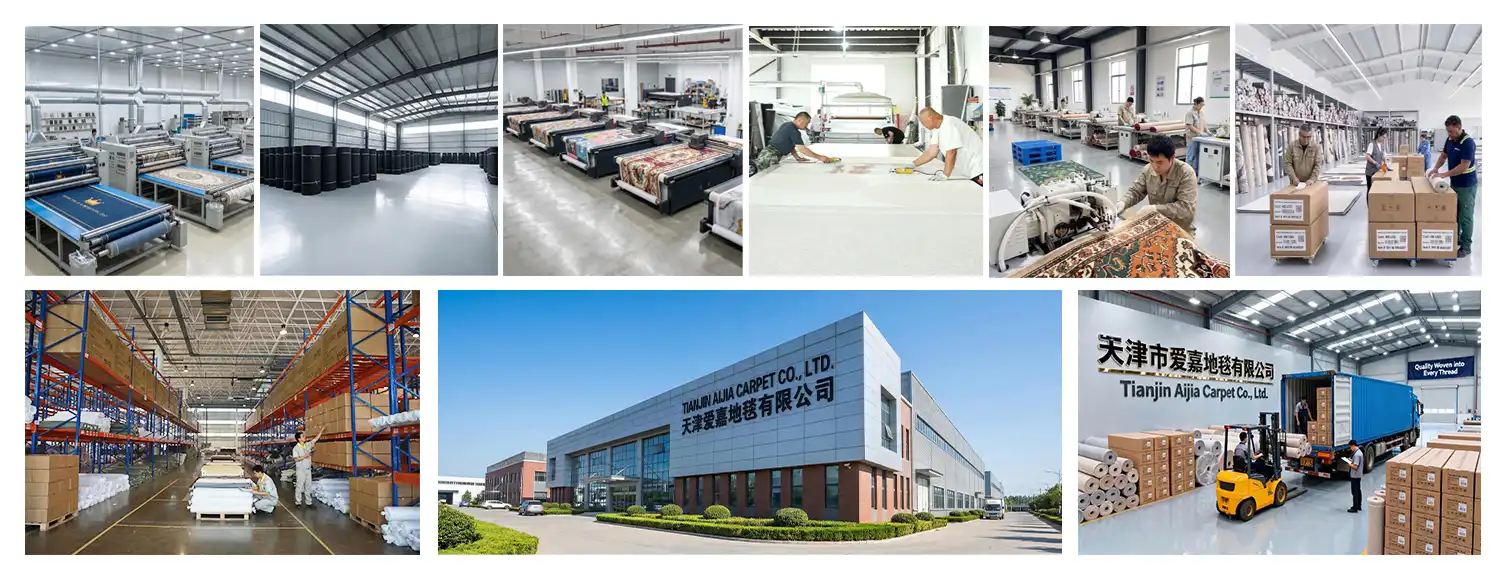
Partnering with well-known production facilities gets rid of markups for distributors and gives you more control over quality standards and specifications. In Tianjin's Wuqing District, carpet manufacturers have built up a lot of experience over many years. This area offers economies of scale and specialized technical skills. Direct engagement lets buyers do facility audits to see for themselves how labor practices and environmental management systems work. Working with factories that have specific export teams that know about foreign shipping documents and customs standards makes communication go more smoothly.
Production capacity is very important for projects that need to be set up quickly in a number of locations. Larger factories that make 10,000 square meters of goods every day can handle pressing orders that smaller businesses can't meet in the same amount of time. Clear production schedules help purchasing managers schedule goods around important building dates, so there aren't any expensive storage fees or delays in installation.
Online B2B Marketplaces
Digital platforms give you access to large networks of suppliers, but you have to be very careful to find partners you can trust. Instead of vague marketing claims, product listings should include detailed technical specs. This way, you can compare products from different sellers in a useful way. Verified business certificates and transaction histories can give you some peace of mind, but it's still a good idea to have a third party check the quality of the work before you send the final payment.
For large orders, shipping logistics prefer containerized ocean freight. Proper packaging keeps the goods from getting damaged by moisture and deforming during transport. Export-standard roll packaging or carton arrangements keep goods safe and get the most use out of each container. LCL options can handle smaller trial orders, but the cost per unit is much higher than for full container loads.
Building Trust: Top Brands and Sustainable Suppliers for Nursery Rugs
Quality Assurance Systems
Comprehensive checking routines keep faulty goods from getting to customer centers. Every single production batch at Aijia goes through a 100% pre-shipment inspection that checks for measurement accuracy, colorfastness, and backing adhesive. Getting ISO 9001 certification shows that you follow organized quality management methods that make sure that orders are more consistent. When problems do happen, buyers are protected from losing money because there are clear steps for fixing them, such as free rework or replacement with paid shipping costs.
Dedicated account management makes it easier to place repeat orders by putting you in touch with people you know and who understand your needs and preferences. Informing clients on a regular basis about changes in production methods or changes in the supply of materials helps them plan their stocking strategies ahead of time, rather than having to scramble when they run out of stock.
Sustainability Commitments
As institutional buyers face pressure from stakeholders about environmental effects, responsible manufacturing practices become more important in choosing suppliers. When compared to solvent methods, water-based dye systems produce less polluted wastewater, which helps achieve better production goals. Using less energy in manufacturing equipment lowers carbon footprints and often improves output consistency by letting process control work better.
Being clear about where materials come from in the supply chain builds trust that ethical standards are followed at all stages of the process, from sourcing to manufacturing. Independent third-party audits check claims that might otherwise just be marketing claims that can't be backed up.
Conclusion
In 2026, choosing the right floor covers for nurseries like Rug In Nursery Room means juggling a lot of different goals while staying within a tight budget. Material safety certifications protect vulnerable groups, and long-lasting construction lowers lifetime costs by extending the number of times it needs to be replaced. Customization tools let facilities make unique settings that help with both development and business goals at the same time. Working with well-known makers that offer full quality guarantees and flexible production schedules lowers procurement risks and guarantees a steady supply of goods. Sustainable practices are becoming more common, which is good for both direct users and the world as a whole. When sourcing strategically, these changes don't always mean big price increases.
Frequently Asked Questions
1. What materials provide the safest option for infant spaces?
Polyester mats that have been certified by OEKO-TEX keep you from being exposed to harmful chemicals and have hypoallergenic surfaces that stop germs from growing. The 5mm crystal velvet construction provides enough padding without having too high a pile height, which could slow down crawling growth. The dot plastic backing doesn't have the glue off-gassing problems that come with some rubber options.
2. How should dimensions be determined for optimal coverage?
Carefully measure the room's dimensions, leaving 15 to 20 cm of space between the furniture and the walls to make cleaning easier and keep moisture from building up along the borders. Custom sizing gets rid of awkward gaps or overlaps that can cause kids to trip. This is especially important in areas where kids are moving from crawling to walking.
3. Can bulk orders accommodate unique design requirements?
Heat transfer printing lets you use fully customized images, like educational themes, facility logos, or themed drawings, without having to pay huge setup costs. Minimum order amounts have gone down a lot, which means that even smaller childcare networks with multiple sites can now personalize their orders.
Partner with a Trusted Nursery Rug Supplier
Aijia has been making specialized products for 20 years and has a lot of certifications, such as those for CE, OEKO-TEX, ISO 9001, REACH, and EN 1350. Our crystal velvet polyester Rug In Nursery Room mats have the performance features that procurement managers need, like not staining easily, drying quickly, and having a backing that won't slip. They can also be customized in a way that supports OEM and ODM partnerships. With a daily production capacity of 10,000 square meters, delivery schedules can be kept even for large-scale rollouts that happen in multiple facilities. Get in touch with our team at sales@aijiarug.com to talk about your specific project needs and find out how our quality assurance systems can protect your investment while our reasonable price structures help you get the best baby room rug for your money.
References
1. Anderson, M. & Chen, L. (2025). Safety Standards Evolution in Early Childhood Flooring: 2020-2025 Analysis. Journal of Pediatric Environmental Health, 18(3), 145-162.
2. Brooks, R. (2024). Sustainable Materials in Commercial Textile Applications. International Flooring Review, 41(2), 88-104.
3. Davies, K. & Thompson, S. (2025). Chemical Safety Protocols for Nursery Environments. Child Safety Quarterly, 29(4), 210-227.
4. European Standards Institute. (2024). EN 1350 Flame Retardancy Requirements for Educational Facilities. Brussels: ESI Publications.
5. Morrison, J. (2025). B2B Procurement Strategies in Textile Supply Chains. Global Trade Management Review, 33(1), 56-73.
6. Williams, P. & Zhang, H. (2024). Performance Characteristics of Synthetic Fiber Floor Coverings in High-Traffic Applications. Materials Science and Engineering Journal, 52(6), 319-335.
Request fast quotes for bulk carpets, OEM & ODM floor mats, supported by strict quality control and complete supply chain.