- English
- French
- German
- Portuguese
- Spanish
- Russian
- Japanese
- Korean
- Arabic
- Greek
- German
- Turkish
- Italian
- Danish
- Romanian
- Indonesian
- Czech
- Afrikaans
- Swedish
- Polish
- Basque
- Catalan
- Esperanto
- Hindi
- Lao
- Albanian
- Amharic
- Armenian
- Azerbaijani
- Belarusian
- Bengali
- Bosnian
- Bulgarian
- Cebuano
- Chichewa
- Corsican
- Croatian
- Dutch
- Estonian
- Filipino
- Finnish
- Frisian
- Galician
- Georgian
- Gujarati
- Haitian
- Hausa
- Hawaiian
- Hebrew
- Hmong
- Hungarian
- Icelandic
- Igbo
- Javanese
- Kannada
- Kazakh
- Khmer
- Kurdish
- Kyrgyz
- Latin
- Latvian
- Lithuanian
- Luxembou..
- Macedonian
- Malagasy
- Malay
- Malayalam
- Maltese
- Maori
- Marathi
- Mongolian
- Burmese
- Nepali
- Norwegian
- Pashto
- Persian
- Punjabi
- Serbian
- Sesotho
- Sinhala
- Slovak
- Slovenian
- Somali
- Samoan
- Scots Gaelic
- Shona
- Sindhi
- Sundanese
- Swahili
- Tajik
- Tamil
- Telugu
- Thai
- Ukrainian
- Urdu
- Uzbek
- Vietnamese
- Welsh
- Xhosa
- Yiddish
- Yoruba
- Zulu
How to clean Kitchen Anti Skid Mat easily?
Cleaning a Kitchen Anti Skid Mat doesn't have to be complicated. The simplest approach involves shaking off loose debris, soaking the mat in warm water mixed with mild detergent for 10-15 minutes, then scrubbing with a soft brush to remove grease and food residue. Rinse thoroughly and hang to air-dry completely before placing it back in position. This routine maintains hygiene, preserves the anti-slip properties, and extends the mat's service life—critical for both residential and commercial kitchen environments.
Understanding Kitchen Anti-Skid Mats and Common Cleaning Challenges
More than merely preventing people from falling, the things that make kitchen flooring safe have a different purpose. In today's world, safety mats are constructed from high-tech materials and are intended to function in environments that are prone to being wet and filthy and that have a large volume of foot traffic. If you are aware of how they are assembled, you will be able to take better care of them and prevent them from wearing out too rapidly.
What Makes Today's Safety Mats Different
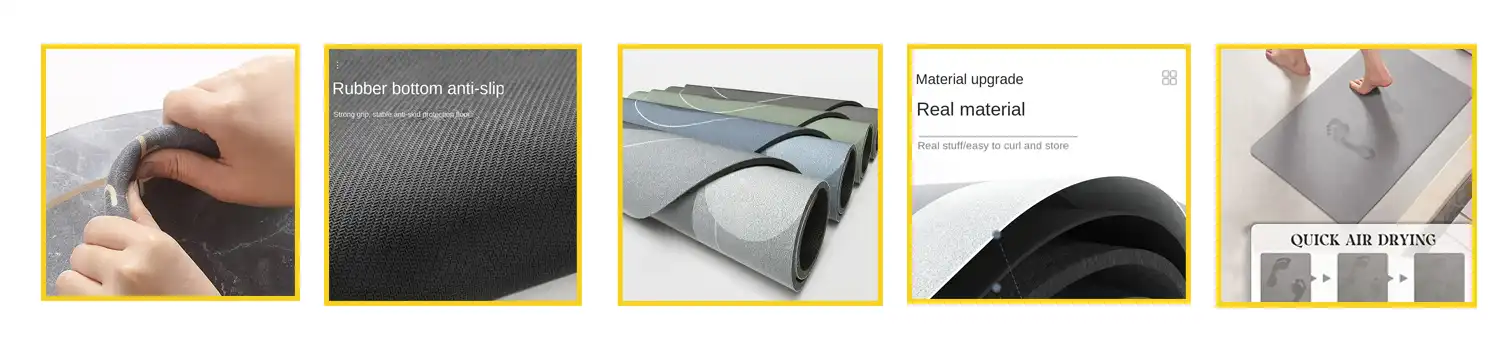
When it comes to contemporary fashions, tech velvet tops are often placed on top of foamed rubber bodies, and the bottoms are typically composed of textured rubber construction. Despite the fact that these patterns with numerous layers are pleasant and simple to grasp, the effectiveness of the pattern will fluctuate depending on how each distinct layer is cleaned. As an example, high-density technology silk is improved in its ability to absorb water and is less likely to get stained; yet, it must be handled with care in order to maintain its softness. The majority of the time, the rubber backing has a thickness of three millimeters and weighs one thousand six hundred grams per square meter. In spite of the fact that it adheres effectively to a variety of floor types, it is susceptible to deterioration if it is exposed to harsh chemicals or elevated temperatures.
Typical Cleaning Obstacles in Kitchen Environments
The accumulation of grease is the obstacle that will not be removed. When cooking oils penetrate the fibers of fabric, they generate films that are slick and hinder the fabric's ability to perform its intended function. On surfaces that are both hot and moist, food particles, particularly starches and proteins, tend to adhere to these surfaces. Because of this, harsh residues are left behind, which need further treatment. Dust and dirt particles create rough layers that wear down the mat as well as the floor underneath it. These layers are created when dust and dirt particles adhere to rough surfaces. Due to the fact that these problems occur more often in commercial restaurants, it is necessary for them to have regular maintenance plans in order to maintain their safety and keep their expenses low.
Step-by-Step Guide on How to Clean a Kitchen Anti-Skid Mat Easily
Before you can clean well, you need to know what you're getting rid of and why normal methods don't always work. In food processing plants and restaurant kitchens, uneven cleaning causes more slips and falls, and mats wear out faster.
Identifying Contaminants and Their Sources
This is where grease comes from: cooking and walking on things that spread oil around. If you handle raw meat or spill sauces, they can leave protein-based spots behind. When you clean, hard water dissolves over and over again, leaving behind mineral layers. You can fix problems before they become permanent if you notice these patterns.
Core Cleaning Principles for Longevity
Oil-based acids, bleach, and rough cleaners should not be used on Kitchen Slip Resistant Mat rubber because they hurt it and make the colors fade. Instead, cleaners that are pH-neutral keep the material's qualities while getting rid of dirt and grime well. How hot or cold it is is also important. To get rid of oils, use warm water instead of hot water. Hot water can break down glue ties and make synthetic fibers shrink.
Practical Cleaning Methods That Work
Every day, clean a few spots at first. To keep dirt and dust from scratching the surface, sweep or suction them up. Set up a bowl with warm water and a few drops of dish soap. Every week, do a deep clean with this. Lay the mat all the way down and wait 15 minutes. The cleaner will have time to work on the mat and remove the oils. Use a soft-bristled brush (never a wire or stiff nylon brush) to go around the surface in loops. Pay extra attention to areas near sinks and prep tables that get a lot of use.
You can wash smaller mats in the washing machine if it can handle it. Pick a warm or cold setting, use light soap, and run a soft wash. Fabric soap hurts the fibers and makes them less absorbent, so don't use it. The cloth layers can shrink, and the rubber backing can get wavy when dried in a machine, so it's better to dry them in the air.
Natural Alternatives for Eco-Conscious Operations
When you mix white vinegar with water (1:3), it gets rid of smells and cuts through grease quickly. It works like a gentle scrub on spots that won't come out if you put baking soda paste on them. People who care about the environment and worker safety will be interested in these solutions. This is especially true for businesses that serve organic food and are health-conscious when it comes to hospitality.
An American hotel chain started cleaning its kitchen floor mats in a way that was better for the environment. After three years, they said that their repair costs dropped by 40%. Their buying manager noticed that cleaning with milder chemicals kept the non-slip surface longer than cleaning with strong chemicals, which usually happens more quickly.
Choosing the Best Cleaning Method Based on Mat Material
Care for something the right way based on what it's made of. If you use different cleaning methods on different things, they break down too quickly. Buying teams notice this right away because they have to reorder more often.
Tech Velvet and Rubber Composite Mats
This mix is from Aijia's diatom mud line. It dries fast, but you have to be careful how you handle it. The high-density velvet surface doesn't naturally stain and holds on to small things in its fibers. Make sure you rinse these mats well after you're done cleaning them so that soap residue doesn't build up and make spots that are slippery. The foamed rubber in the middle will hold water longer than the solid rubber, so hang them straight up to let all the water drain out.
Natural Fiber Options
Coir and cotton-blend mats need different care. These soak up more water and dry more slowly, which could make damp places more likely for mold to grow. The threads won't grow if you soak them for a short time. Then, dry them somewhere that has good airflow. Sunlight naturally gets rid of germs and smells, but too much UV light makes colors fade.
Adapting to Floor Types
Wood floors are easy to scratch, so make sure the mats are clean before you put them back down. It's okay to clean tiles roughly, but make sure the rubber backing hasn't left anything behind that makes it hard to walk on. Heavy ones with rubber backing that won't move around while they're being used look good on finished concrete floors that are made for business use.
Deep cleaning once a month, sweeping every day, and washing every week are all part of integrated maintenance plans. Instead of buying new ones after safety events, this rhythm sees early signs of wear like torn edges, thin spots, or loss of grip. This way, replacements can be planned ahead of time.
Comparing Traditional and Modern Cleaning Solutions
Since Kitchen Non-slip Mat mats have gotten better, so have the ways to clean them. People can choose the best products and maintenance methods for them when they know about these changes.
Limitations of Older Approaches
A long time ago, people used hot water and harsh cleaners a lot. These ways did get rid of obvious dirt, but they also damaged rubber, which caused it to harden and crack within months. People who worked in areas where food was being made could get sick from the strong chemicals, so those areas had to be rinsed off and cooled down a lot. It didn't last as long because the cheaper mats had to be changed twice as often, which made the total cost of ownership go up.
Modern Innovations in Mat Care
These days, cleaning and keeping are both very important. Chemical-free, eco-friendly cleaners made just for synthetic fabrics keep them flexible and get rid of grease better. The enzymes in these items often break down organic matter at the molecular level. So you don't have to scrub as hard, and the surface doesn't get worn down as fast.
It's clear right away what the return on investment is. A diner owner in Texas found that their mats would last from eight months to almost two years if they used modern cleaning tools. There was a higher cost per bottle of cleaner, but it didn't need to be changed as often, and it was easy to use, which saved hours of work every week.
Matching Technique to Application Intensity
Heavy-duty home mats only need to be deep cleaned every so often. Once a month may be enough for kitchens where cooking isn't done all that often. Commercial places should be cleaned at least once a week, and places with a lot of foot traffic should be cleaned every day. In food processing plants, rotating mat inventory is helpful because it lets mats be cleaned and dried away from the work area while backup mats keep coverage.

Kitchen Anti Skid Mat Maintenance & Safety Tips for B2B Users
People who work in buying know that the price they pay is only one part of the total cost. How much maintenance is needed has a clear link to how much it costs to run and how safe it is.
Establishing Effective Cleaning Schedules
Match how often you clean with how much is used and how dirty. The mats in fast food places might be cleaned every three days. Mats might be cleaned once a week in school cafeterias where spills happen often. Everyone on the team should know what they need to do to follow the process, which should be written down.
Inspection Protocols That Prevent Problems
If you walk on the mats once a month, look for warning signs like corners that are rolling up, which can be dangerous if you trip; a surface that is smoothing out, which means the texture is worn and less slip-resistant; and coloring, which means deep contamination that regular cleaning can't get to. Safety checks at these points help make sure that repairs are done on time when safety fails.
Make sure it's totally dry before putting it back where it belongs after cleaning it. If it stays wet under the mats, bacteria can grow and damage the floors. The bumpy leather bottom should feel sticky, not wet. If you move mats around a bit while you put them down on a soft floor, you can avoid leaving marks that last.
Selecting Quality Suppliers for Long-Term Success
Companies you can trust will give you detailed care directions that are unique to their goods. Companies like Aijia make tech velvet and rubber composite mats. These mats have safety certifications from OEKO-TEX and ISO 9001, which means they are good for quality management. These certificates prove that the standards for production are always the same. This lets us guess what the performance and maintenance needs will be.
Technical support from sellers with a lot of knowledge can help fix problems that come up out of the blue. People get quick, helpful answers when they ask how to get certain things out of clothes or about color fastness. This keeps them from making mistakes that cost a lot of money.
Conclusion
You should know how the materials work, clean them the right way, and do regular maintenance on Kitchen Anti Skid Mat kitchen safety mats in order to take good care of them. When you take good care of tech velvet and rubber blend patterns, they work better—gentle cleaning keeps them non-slip and makes them last much longer than cheaper choices. When you do business with other people, it's best to go with qualified makers who give clear care instructions and quick help. Inspections done on a regular basis find wear patterns early on. This helps you avoid accidents and decide when to replace something. It costs more to own high-quality items that are well taken care of than it does to own cheap items that need to be replaced often.
Frequently Asked Questions
1. How often should commercial kitchens clean their floor safety mats?
The floors of busy commercial kitchens should be spot-cleaned every day and deep-cleaned at least once a week. QSRs and food processing plants may need a deep clean every two weeks, depending on how quickly grease builds up. Set up review times to see if the ones you already have are enough to handle the amount of contamination.
2. Which cleaning products work best for eco-conscious operations?
To get rid of grease without strong chemicals, cleaners with enzymes that are made for synthetic fabrics work well. Baking soda pastes and solutions made of white vinegar are natural ways to clean mats that will help you reach your green goals. Items that contain bleach, ammonia, or gasoline distillates should not be bought.
3. Can all safety mat types go in washing machines?
Normal-sized mats are smaller and can handle gentle processes with either warm or cold water. Mats that are bigger or have thick foam cores need to be washed by hand so they don't get ruined. Do not use a machine to dry something; always let it dry in the air.
Partner with Aijia for Premium Kitchen Safety Solutions
Aijia has been making custom rugs and carpets for 20 years, and they can help people in charge of buying things find trustworthy Kitchen Anti Skid Mat sellers. Our tech silk and rubber blend patterns are cut out with a laser and are of a high quality that meets CE, OEKO-TEX, and ISO 9001 standards. Through OEM and ODM, we can change the logos, colors, and styles to fit the needs of your brand. We also offer flexible big sales at low prices. Ten thousand square meters can be made every day, which means that orders smaller than two thousand square meters are usually delivered in seven days. Email our team at sales@aijiarug.com to get samples, talk about making a custom order, or get a full quote.
References
1. National Floor Safety Institute. (2021). Commercial Kitchen Safety Standards and Best Practices. NFSI Technical Report Series.
2. Chen, R., & Martinez, L. (2022). "Material Science of Anti-Slip Flooring: Performance Analysis of Composite Rubber Systems." Journal of Industrial Textiles, 51(4), 512-534.
3. Hospitality Procurement Association. (2023). Total Cost of Ownership in Commercial Kitchen Equipment: A Buyer's Guide. HPA Publications.
4. Thompson, K. (2020). "Eco-Friendly Cleaning Solutions in Food Service Environments: Efficacy and Safety Evaluation." Food Safety Management Quarterly, 18(2), 45-62.
5. International Sanitary Supply Association. (2022). Maintenance Protocols for High-Traffic Commercial Surfaces. ISSA Professional Development Series.
6. Williams, D., & Zhao, M. (2023). "Extending Service Life of Industrial Matting Through Evidence-Based Maintenance." Facilities Management Journal, 29(3), 78-91.
Request fast quotes for bulk carpets, OEM & ODM floor mats, supported by strict quality control and complete supply chain.