- English
- French
- German
- Portuguese
- Spanish
- Russian
- Japanese
- Korean
- Arabic
- Greek
- German
- Turkish
- Italian
- Danish
- Romanian
- Indonesian
- Czech
- Afrikaans
- Swedish
- Polish
- Basque
- Catalan
- Esperanto
- Hindi
- Lao
- Albanian
- Amharic
- Armenian
- Azerbaijani
- Belarusian
- Bengali
- Bosnian
- Bulgarian
- Cebuano
- Chichewa
- Corsican
- Croatian
- Dutch
- Estonian
- Filipino
- Finnish
- Frisian
- Galician
- Georgian
- Gujarati
- Haitian
- Hausa
- Hawaiian
- Hebrew
- Hmong
- Hungarian
- Icelandic
- Igbo
- Javanese
- Kannada
- Kazakh
- Khmer
- Kurdish
- Kyrgyz
- Latin
- Latvian
- Lithuanian
- Luxembou..
- Macedonian
- Malagasy
- Malay
- Malayalam
- Maltese
- Maori
- Marathi
- Mongolian
- Burmese
- Nepali
- Norwegian
- Pashto
- Persian
- Punjabi
- Serbian
- Sesotho
- Sinhala
- Slovak
- Slovenian
- Somali
- Samoan
- Scots Gaelic
- Shona
- Sindhi
- Sundanese
- Swahili
- Tajik
- Tamil
- Telugu
- Thai
- Ukrainian
- Urdu
- Uzbek
- Vietnamese
- Welsh
- Xhosa
- Yiddish
- Yoruba
- Zulu
Large Soft Area Rugs For Living Room: A Comprehensive Guide
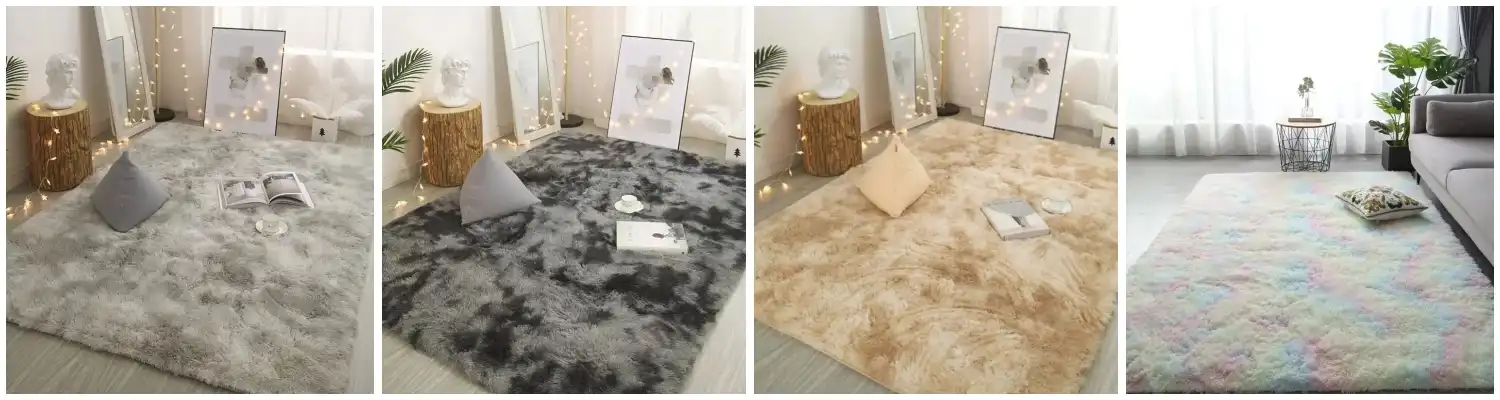
Large soft area rugs for living room spaces do more than cover a floor—they define a room's comfort, acoustic character, and visual identity. Whether you are specifying rugs for a luxury villa, filling a container programme for an e-commerce platform, or developing a private-label hero SKU, choosing the right plush floor covering affects every metric that matters: tactile quality, batch consistency, landed cost, and long-term client retention. This guide walks through material science, selection logic, maintenance, supplier evaluation, and design application to help B2B procurement professionals make confident, data-backed decisions.
Understanding Large Soft Area Rugs for Living Rooms
What Defines a Large Soft Area Rug?
A big, soft area rug for the living room should cover at least 80 square feet. 8x10 feet and 9x12 feet are popular sizes. A high-pile or high-density construction that gives a measurable "sink-in" feeling is what makes it unique. Pile heights of 15 mm to 20 mm are generally thought to be the best for high plush comfort in homes and businesses. These rugs keep furniture in place, cut down on echo in open-plan rooms, and add a layer of heat protection between the floor and the person sitting on it.
Core Materials and Their Trade-offs
Blends of silk and wool are the most luxurious materials. Wool naturally bounces back and wicks away wetness, and silk adds a shine to the surface and a smooth feel to the hand that synthetic fibers find hard to match. Aijia's 180 g/m² fleece surface layer is made of high-quality polyester microfiber, which is similar in softness but more affordable, so it can be used for large-scale direct-to-consumer programs. On the other hand, cotton doesn't have the pile regrowth needed for heavy-traffic industrial use.
Functional Benefits Beyond Aesthetics
The Carpet and Rug Institute says that textile floor coverings can improve the quality of the air inside a room by trapping dust until it is vacuumed. A 17 mm soft pile also makes a big difference in the Noise Reduction Coefficient of rooms with hard floors. This is something that buyers of hotel furniture and fixtures and property developers specifically ask for in project plans.
How to Choose the Right Large Soft Area Rug for Your Living Room
Matching Size and Pile Height to the Project
For residential living rooms, the standard rule is to leave 18–24 inches of bare floor visible around the rug perimeter. In commercial lounges or hotel suites, wall-to-wall coverage is often preferred. A 17 mm pile height delivers the plush comfort associated with luxury positioning without the maintenance burden of ultra-shag constructions above 25 mm, which mat more quickly under furniture load.
Material Performance vs. Budget
Here is a direct comparison of the two most common procurement choices:
| Criteria | Silk & Wool Blend | Polyester Microfiber |
|---|---|---|
| Surface softness | Very high (natural sheen) | High (micro-denier fiber) |
| Pile recovery | Excellent | Good |
| Stain resistance | Moderate (requires treatment) | High (inherent) |
| Price per m² | Premium | Mid-range |
| Recommended use | Luxury residential, hospitality | DTC, retail, mid-market |
Wholesale buyers running 15–40 SKUs per container typically mix both categories to cover price bands without sacrificing tactile appeal.
Custom Sizing and OEM Considerations
Standard sizes (5×8, 8×10, 9×12 ft) work for most retail assortments, but interior designers and property developers frequently need non-standard formats for large soft area rugs for living rooms. Laser cutting technology allows precise trimming to any dimension without frayed edges, while heat-transfer printing removes the per-design engraving cost that traditionally inflates OEM sampling budgets. Brands seeking exclusivity can request locked artwork files and NDA protection to prevent pattern duplication.
Maintenance and Care of Large Soft Area Rugs
Routine Cleaning Protocols
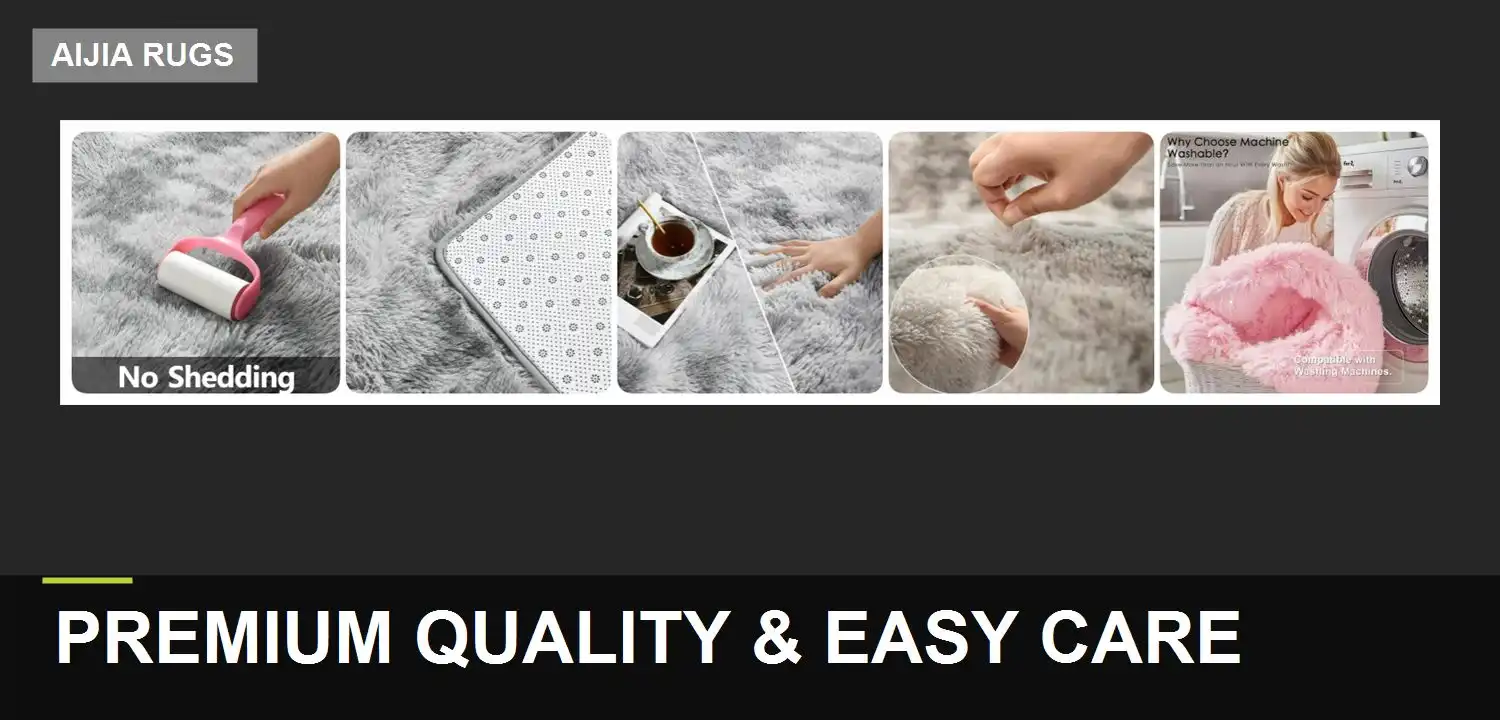
For polyester fleece and wool-blend rugs, raising the beater bar and using the vacuum only once a week keeps the fibers from getting compressed and maintains the pile height. When you vacuum high-pile rugs, you should never use a rotating brush right on the surface. This will break the fibers at the roots over time. When used between vacuuming sessions, a carpet rake straightens the pile without putting mechanical stress on it.
Stain Management by Material
Surface treatments that make things stain-resistant, like the ones used on Aijia's thick rugs, make a hydrophobic shield that gives people 20 to 30 seconds to clean up spills before they soak in. If you have a wool-blend rug, don't use alkaline cleansers above pH 8.5 on it because they break down the protein fiber structure. Polyester fleece surfaces that are stained with water can be cleaned well with cold water and a neutral soap. Then, let the clothes dry naturally.
Hospitality Maintenance Case Study
When a hotel company in the Gulf region switched to a TPR-backed, stain-treated plush rug with a 500 g/m² build, they saw a 40% drop in the number of early replacement cycles for their 200+ room rugs. The pointy plastic (PVC dot) backing stopped rugs from moving around on marble floors. This cut down on edge fraying complaints, which were their biggest problem after the sale.
Comparing Large Soft Area Rugs with Other Flooring Options
Comfort and Acoustic Performance
Hard floors like hardwood, tile, and glossy concrete don't absorb sound very well. In general, a bare concrete floor has an ASTM E492 impact insulation class (IIC) of 25 to 28. That number goes up a lot when you add a 17 mm plush rug, which is why builders use big area rugs as a main way to control noise in open-plan domestic projects instead of just for looks.
Cost and Lifecycle Analysis
| Flooring Type | Avg. Install Cost (USD/m²) | Lifespan | Acoustic Benefit | Replaceable? |
|---|---|---|---|---|
| Hardwood | $50–$120 | 20–50 yrs | Low | No |
| Ceramic Tile | $25–$75 | 15–30 yrs | Very Low | No |
| Large Plush Rug | $15–$60 | 5–10 yrs | High | Yes |
What kind of flooring is it? How much does it usually cost to install? How long does it last? Does it help with noise? Can it be replaced? Hardwood costs $50 to $120 and lasts 20 to 50 years. Ceramic tiles cost $25 to $75 and last 15 to 30 years. They last very little and don't last at all. Large plush rugs cost $15 to $60 and last 5 to 10 years. They last a long time yes.
Wool vs. Synthetic in Commercial Settings
When it comes to fire safety, wool naturally has an advantage because it chars instead of melting. This meets the ASTM E648 Class I requirements for commercial interiors. To get the same rating, synthetic microfiber large soft area rugs for living room need to have intumescent coatings applied. They also get rid of stains better, which is more important in high-traffic hospitality settings than in small residential projects.
Leading Brands and Suppliers of Large Soft Area Rugs for B2B Procurement
Global Brand Overview
Retailers in North America know Safavieh for its large collection of designs and low minimum order quantities. nuLOOM's trend-forward patterns are aimed at the value-conscious direct-to-consumer (DTC) market. Mohawk Home has OEKO-TEX certifications that are relevant to the US market and a history of making products in the US.
Aijia's Position in the Supply Chain
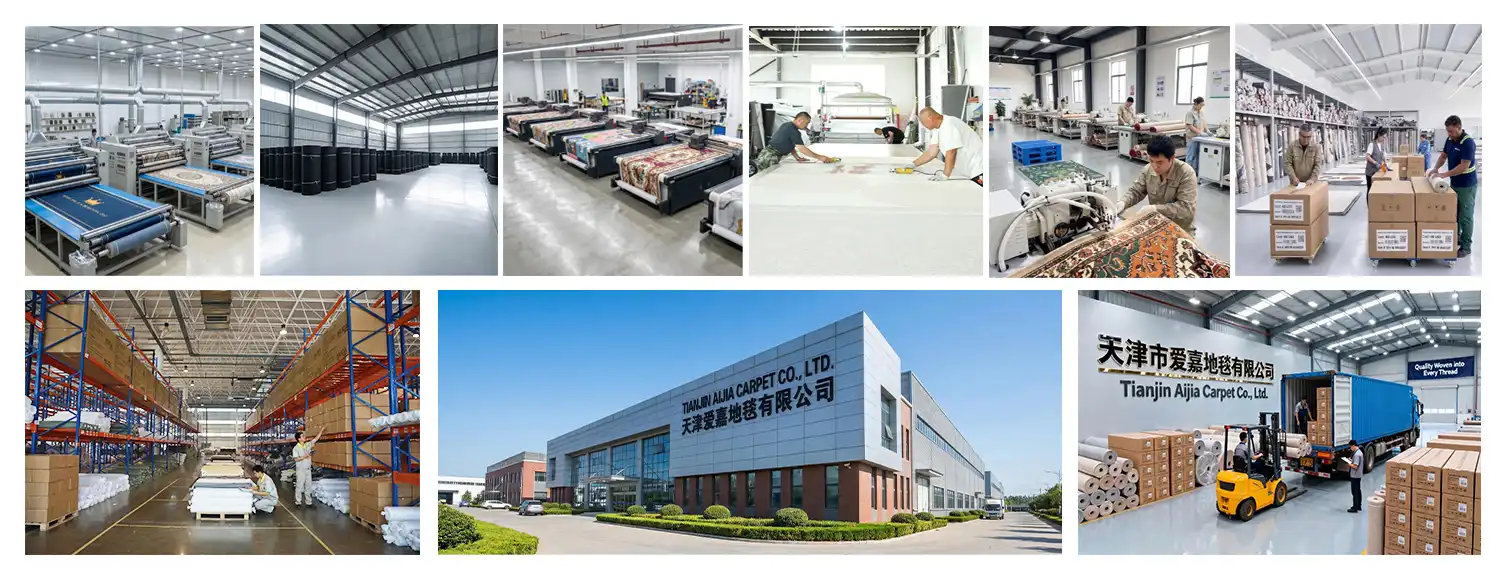
Tianjin Aijia Carpet Co., Ltd. was established in 2006 and is part of the Cuihuangkou carpet cluster, which is China's busiest area for making woven and printed floor coverings. Aijia can fill big living-room programs without having to split production between multiple providers because it can produce 10,000 m² per day and 50,000 m² for a single order. The plant has certificates from CE, OEKO-TEX, ISO 9001, REACH, and EN 1350, which means it meets all the rules for everything from EU retail projects to hospitality projects in the Gulf.
Eco-Certifications and Compliance
OEKO-TEX Standard 100 certification means that all of the parts—the fiber, the dye, and the backing—have been checked for harmful substances. For sellers in the US, CPSIA compliance includes any products that cross over into areas for kids. These papers are always included with Aijia's shipments, which speeds up the approval process for new buying relationships.
How to Decorate Your Living Room with Large Soft Rugs
Size and Furniture Layout Rules
For most living rooms, the "front legs on" rule works well: put all of the front legs of the sofa and chairs on the blanket and the back legs on the hard floor. An "all legs on" arrangement with a 9x12-foot or bigger rug makes a separate area that looks planned and high-end in a formal or hotel bar setting.
Color, Pattern, and Pile Texture
Warm neutral-colored solid rugs, like ivory, stone, and greige, go with the most types of furniture and look great in photos for online ads, which is very important for Amazon and Wayfair buyers. Tie-dye and tonal gradient patterns add depth to the look without getting in the way of furniture that makes a statement. A 17 mm pile makes soft shadow lines that give solid-color rugs depth, both in real life and in pictures.
Layering and Lighting Integration
A hotel design trick that adds depth without taking away from the softness of the base floor is to layer a smaller patterned rug on top of a big plush base. Warm lighting with a color temperature between 2700 and 3000 K brings out the natural shine of silk-blend pile. This is a standard detail that hotel interior designers should be told about when the project is signed off.
Conclusion
To choose the right large soft area rugs for living room job, you need to think about the total landing cost, batch stability, tactile quality, and compliance paperwork. Buyers in North America and the EU expect a 17 mm high-density silk-and-wool or polyester fleece rug with a TPR dot backing, a stain-resistant surface treatment, and full OEKO-TEX and CE compliance. This rug meets all of these technical and commercial standards. Both wholesale distributors and custom OEM brands can lower supply chain risk by working with factories that can print, cut, sew, and pack their own products and have a production history that can be checked for 20 years. Making the right choice about where to get rugs will protect both your product revenue and your client relationships.
FAQ
1. Are high-pile rugs suitable for radiant heated floors?
Yes, but there is one catch: the material on the back has to be approved for safe thermal heating. Heavy rubber backings can trap heat and act as insulation, which could damage engineered wood subfloors. A PVC dot (TPR) backing, like the one used in Aijia's 500 g/m² construction, makes the grip non-slip without the risk of heat retention that comes with thick rubber coats.
2. How do I evaluate batch colour consistency from a supplier?
For every production run, ask for a Lab Delta-E report. A Delta-E score below 1.0 can't be seen by the human eye. Scores above 2.0 can be seen in pieces that are next to each other. To hold sellers responsible, wholesale customers who place repeat container orders should include a Delta-E tolerance in their purchase deal.
3. What pile height is best for a high-traffic commercial lounge?
A pile height of 12–17 mm in a heat-set fiber gives the best mix of softness and recovery in business settings where people walk on the carpet every day. Over 20 mm mats pile up faster when pushed by a chair or your feet. The knot-bind strength must be at least 6.0 lbs (ASTM D1335) for it to be used in business.
4. Does shedding indicate a quality defect?
It is normal for spun-yarn rugs (wool, acrylic) to shed at first for the first 4 to 6 weeks of use. If the shedding keeps happening after that, it could mean that the rubber isn't getting through to the main backing well enough. In contrast, continuous filament (BCF) polyester constructions shed very little from the first day they are put together.
Source Large Soft Area Rugs for Living Room from Aijia — Request a Quote Today
Since 2006, Aijia has provided large soft area rugs for living room projects in North America, the EU, and the Gulf region. Their CE, OEKO-TEX, and ISO 9001 qualifications have been verified and proven. Our company makes big, soft area rugs for living rooms directly. We have variable minimum order quantities, samples available in 7–15 days, a production capacity of 10,000 m³/day, and can make any OEM or ODM specifications. To get specifications, samples, or a bulk price quote, email our team at sales@aijiarug.com.
References
1. Carpet and Rug Institute. Carpet and Indoor Air Quality. CRI, 2021.
2. ASTM International. ASTM D1335: Standard Test Method for Tuft Bind of Pile Floor Coverings. ASTM, 2020.
3. OEKO-TEX Association. OEKO-TEX Standard 100: Testing for Harmful Substances. OEKO-TEX, 2023.
4. American Society for Testing and Materials. ASTM E648: Standard Test Method for Critical Radiant Flux of Floor Covering Systems. ASTM, 2019.
5. Floor Covering Institute. Residential and Commercial Flooring Performance Benchmarks. FCI, 2022.
6. National Floor Safety Institute. Slip, Trip, and Fall Prevention Guidelines for Commercial Interiors. NFSI, 2021.
Request fast quotes for bulk carpets, OEM & ODM floor mats, supported by strict quality control and complete supply chain.