- English
- French
- German
- Portuguese
- Spanish
- Russian
- Japanese
- Korean
- Arabic
- Greek
- German
- Turkish
- Italian
- Danish
- Romanian
- Indonesian
- Czech
- Afrikaans
- Swedish
- Polish
- Basque
- Catalan
- Esperanto
- Hindi
- Lao
- Albanian
- Amharic
- Armenian
- Azerbaijani
- Belarusian
- Bengali
- Bosnian
- Bulgarian
- Cebuano
- Chichewa
- Corsican
- Croatian
- Dutch
- Estonian
- Filipino
- Finnish
- Frisian
- Galician
- Georgian
- Gujarati
- Haitian
- Hausa
- Hawaiian
- Hebrew
- Hmong
- Hungarian
- Icelandic
- Igbo
- Javanese
- Kannada
- Kazakh
- Khmer
- Kurdish
- Kyrgyz
- Latin
- Latvian
- Lithuanian
- Luxembou..
- Macedonian
- Malagasy
- Malay
- Malayalam
- Maltese
- Maori
- Marathi
- Mongolian
- Burmese
- Nepali
- Norwegian
- Pashto
- Persian
- Punjabi
- Serbian
- Sesotho
- Sinhala
- Slovak
- Slovenian
- Somali
- Samoan
- Scots Gaelic
- Shona
- Sindhi
- Sundanese
- Swahili
- Tajik
- Tamil
- Telugu
- Thai
- Ukrainian
- Urdu
- Uzbek
- Vietnamese
- Welsh
- Xhosa
- Yiddish
- Yoruba
- Zulu
The Best Living Room Rug Ideas for an Instant Refresh
What do you notice first Indoor Rugs For Living Room when you walk into a living room? In many rooms, the rug is what brings the whole thing together. Living room rugs do more than just cover the floors; they create zones, block out noise, protect wooden floors, and make any space cosier. Whether you're an importer looking for large quantities of inventory for business projects or a distributor looking for rugs for stores, it's important to know how the right rug choice can change a room. Modern living room rugs are both aesthetically pleasing and practical, with options ranging from durability for heavy foot traffic to softness for comfort. This guide looks at useful rug ideas that make a statement right away and meet the high standards of today's B2B market.
Understanding Indoor Rugs for Living Rooms: Key Insights for B2B Buyers
Selecting rugs for living rooms involves more than picking attractive patterns. Procurement professionals must consider material composition, construction methods, and end-use requirements that vary across residential and commercial applications.
Material Categories and Their Commercial Applications
Natural fibre rugs, like wool, last a long time and don't catch fire easily, so they are good for places like hotel lobbies and business reception areas. Wool's natural twist makes it resilient, so pile fibres can bounce back after being pushed down by foot traffic. Synthetic choices, such as polypropylene and polyester, are less expensive and less likely to stain. This makes them perfect for high-volume retail distribution where prices are important. Imitation cashmere rugs combine the soft look of natural fibres with the functional benefits of polyester to make a high-end look at a price that most people can afford. These choices are machine-woven and have locked edges that keep them from fraying, so they can be used over and over again without losing their shape.
Size and Spatial Considerations
The right rug size depends on the size of the room. Larger area rugs hold together groups of furniture in open-concept living rooms and create visual limits without using walls. The standard size is between 5x7 feet for small flats and 9x12 feet for large family rooms. The thickness profile is also important. Rugs with a total thickness of less than 6 mm can fit easily under doors and lower the risk of tripping, which is very important in business settings with accessibility needs. Modern low-pile designs with 3 mm pile height make cleaning easy while still looking good.
Construction Quality Indicators
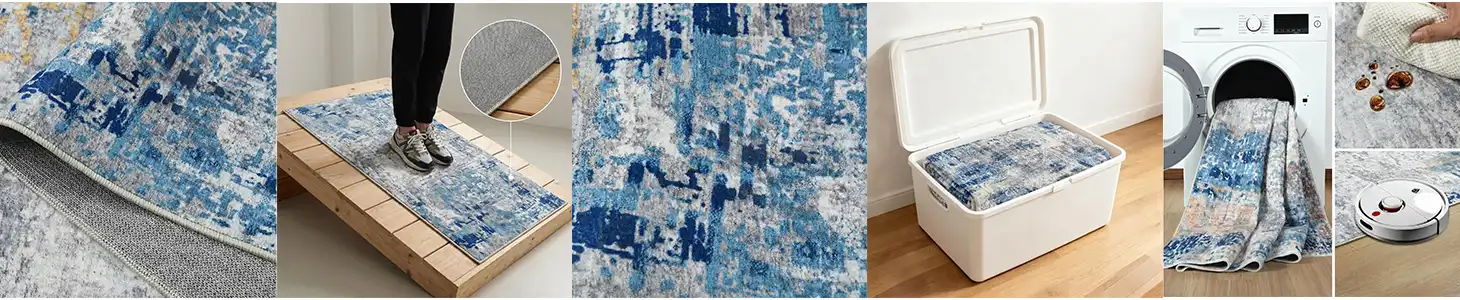
Machine-woven rugs with reinforced backing systems are consistent across big production runs, which is important for B2B buyers who are filling orders from institutions. Edge-locking widths of about 0.6 cm make things last longer and keep them from coming apart. Slip resistance and floor suitability are determined by the backing material. For example, TPR thermoplastic rubber bases grip smooth surfaces like tile and engineered hardwood without the need for separate rug pads, which lowers the total cost of installation. This way of building supports foldable packing methods that make the best use of shipping container space, Living Room Indoor Carpets, which lowers the cost of logistics per unit for buyers from other countries.
How to Choose the Best Indoor Rug for Your Living Room: A Decision Support Framework
Procurement decisions benefit from structured evaluation criteria that weigh performance metrics against budget constraints and market positioning.
Durability Assessment Metrics
Material composition directly impacts lifespan. Polyester fiber rugs at 350g/㎡ surface weight provide adequate density for residential applications, while commercial installations may require higher gram weights. The total weight specification at 1000g/㎡ indicates sufficient backing support to prevent premature wear. Buyers serving hospitality markets should verify abrasion resistance ratings and cleaning cycle tolerances. Machine-washable constructions reduce maintenance costs over the product lifecycle, a compelling value proposition when presenting options to facility managers.
Cost-Efficiency Analysis
Unit economics extend beyond purchase price. Rugs offering rapid production cycles—such as those with 10,000 square meters of daily output capacity—enable shorter lead times and reduced inventory holding costs. Flexible minimum order quantities accommodate both testing phases and scaled commitments, allowing distributors to validate market demand before committing to container loads. Foldable packaging reduces dimensional weight charges in freight calculations, improving landed cost competitiveness.
Aesthetic Flexibility and Customization
The ability to customize colors, sizes, and branding elements differentiates commodity products from tailored solutions. Heat transfer printing technology supports any pattern design, enabling private label programs for retail brands. Laser cutting capabilities accommodate irregular shapes that fit unique architectural layouts or create branded floor graphics for corporate installations. These customization options address growing market demand for differentiated product offerings in crowded retail channels.
Top 7 Indoor Rug Ideas to Refresh Your Living Room Instantly
Diverse rug styles serve different market segments and application requirements. Here's how specific design approaches meet varied buyer needs:
Classic Neutral Tones with Textured Surfaces
Beige, gray, and cream colorways maintain broad appeal across demographics and design trends. Textured surfaces created through high-density machine weaving add visual interest without overwhelming existing décor. The imitation cashmere finish delivers tactile softness comparable to luxury materials, positioning these rugs for mid-to-premium market tiers. Neutral palettes also reduce inventory risk for retailers, as these options coordinate with diverse furniture styles.
Bold Geometric Patterns for Modern Spaces
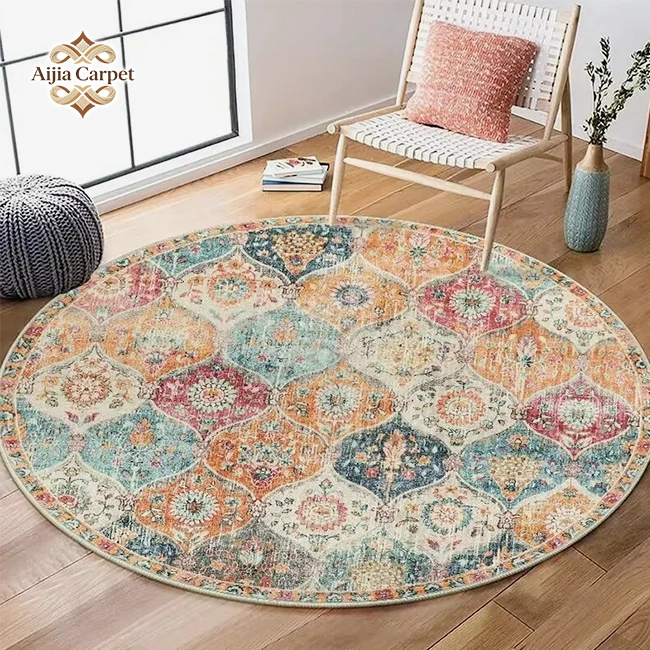
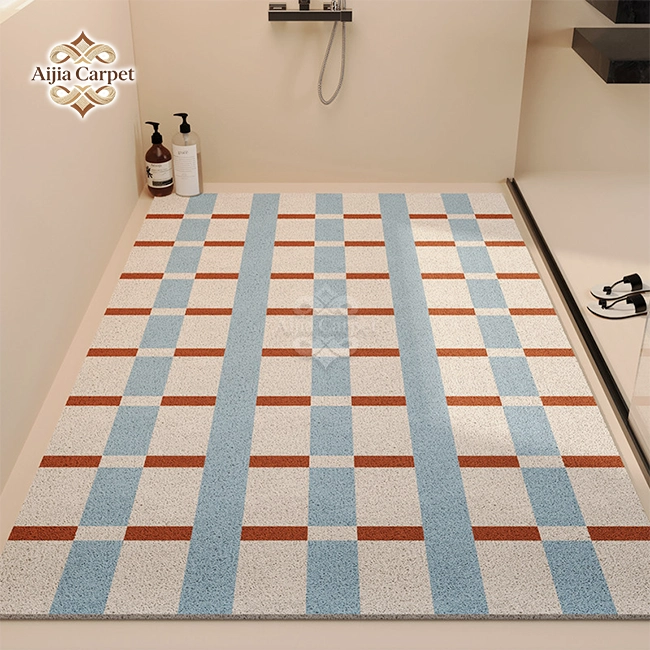
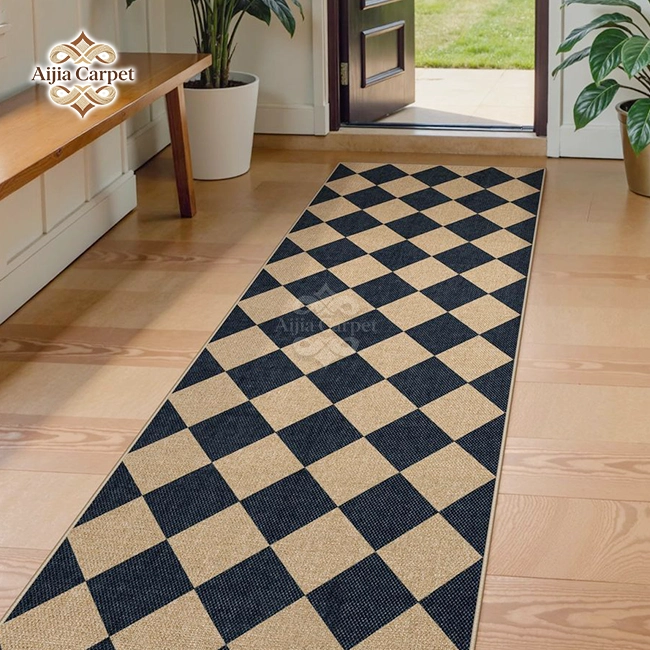
Contemporary geometric designs attract younger demographics and urban markets. Angular patterns and contrasting colors make strong visual statements in minimalist interiors. When produced through precision heat transfer methods, these patterns maintain crisp edge definition and color saturation through repeated cleaning cycles. Such designs perform well in showrooms and staged properties where visual impact drives purchase decisions.
Low-Pile Easy-Care Solutions
Rugs with 3mm pile height address practical concerns for Living Room Indoor Carpets, busy households, and commercial settings. The short pile structure prevents dirt accumulation in fiber depths, allowing debris to rest on the surface for simple vacuuming. Machine-washable properties expand cleaning options beyond professional services, reducing long-term maintenance expenses. These functional advantages resonate with property management companies and corporate facility buyers prioritizing operational efficiency.
Multi-Functional Space Dividers
Open floor plans benefit from rugs that define functional zones without permanent walls. Larger format rugs positioned beneath seating arrangements create visual boundaries between living and dining areas. The washable TPR base provides stability during furniture rearrangement, supporting flexible space utilization. This application appeals to co-working spaces, hospitality suites, and residential developments, emphasizing adaptable layouts.
Custom Branded Floor Graphics
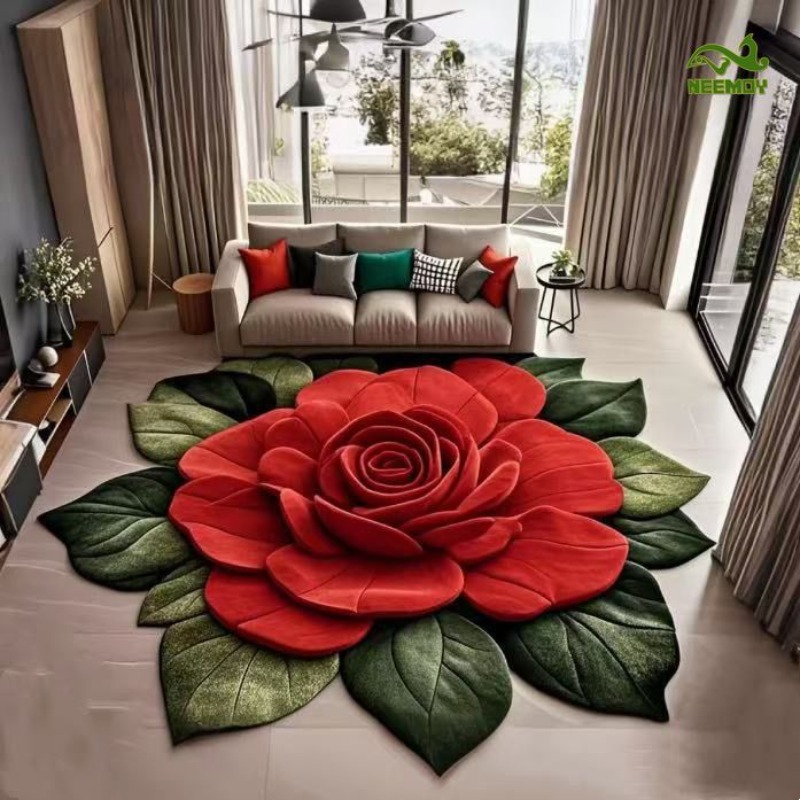
Corporate buyers increasingly use rugs as branding elements in reception areas and event spaces. The ability to incorporate logos through heat transfer printing transforms functional floor coverings into marketing assets. Laser cutting capabilities enable precise shape matching to architectural features or brand identity elements. These custom solutions command premium pricing while building long-term client relationships through repeat project work.
Eco-Conscious Material Selections
Traditional eco-friendly rugs are made from natural fibres, but newer synthetic rugs made with recycled materials also take sustainability into account. Buyers who want to sell to LEED-certified projects or environmentally conscious customers can market these items as green options. Certifications like OEKO-TEX make sure that products don't contain any harmful chemicals and meet strict health and environmental standards in regulated markets.
Compact Accent Rugs for Layered Looks
Smaller rugs, like those that are 2x3 to 4x6 feet, can be used to make layered designs. These accent rugs add pops of colour without making a big commitment. They look great on top of bigger neutral rugs or on their own in reading nooks. The thin (5 mm) total thickness makes it easy to switch out products for different seasons, giving the impression of more variety within the current stock. When prices per unit go down, retailers can set prices that are competitive. These different techniques show how different material requirements, building methods, and design options can work together to meet different market needs. The fake cashmere surface and non-slip TPR backing make for a very flexible base that can go in many different styles, thanks to its ability to be customised.
Maintenance and Care Tips for Indoor Rugs in Living Rooms: Ensuring Longevity and Appearance
Proper maintenance protocols protect rug investments and preserve Indoor Living Room Area Rugs' appearance standards across commercial lifecycles.
Routine Cleaning Protocols
Weekly vacuuming removes surface debris before particles migrate into fiber depths. For low-pile constructions, vacuuming in multiple directions loosens trapped dirt more effectively than single-pass approaches. Machine-washable rugs with TPR backing tolerate gentle cycle washing with mild detergents, though air drying prevents backing degradation from high heat exposure. This washability extends useful life in high-traffic applications where appearance standards remain critical.
Stain Response Procedures
Immediate attention to spills prevents permanent staining. Blotting rather than rubbing avoids spreading liquids deeper into fibers. For polyester-based rugs, water-based cleaners typically suffice for most common spills. The hydrophobic properties of synthetic fibers resist absorption, allowing easier cleanup compared to natural materials. Facility managers appreciate these practical advantages when evaluating the total cost of ownership across multi-year contracts.
Rotation and Positioning Strategies
Rotating rugs 180 degrees every six months distributes wear patterns evenly, preventing localized crushing in high-traffic pathways. In commercial installations, repositioning rugs during seasonal deep cleaning refreshes appearance without replacement costs. The foldable construction of modern machine-woven rugs facilitates handling during these maintenance cycles, reducing labor requirements compared to heavier traditional constructions.
Professional Cleaning Intervals
While routine home care suffices for most maintenance, professional extraction cleaning every 12-18 months removes accumulated residues from backing layers and fiber bases. This periodic deep cleaning extends rug lifespan and maintains hygiene standards crucial for hospitality and healthcare applications. Buyers should communicate these maintenance requirements to end clients, setting appropriate performance expectations.
Procurement & Buying Guide: Where and How to Source Indoor Rugs for Living Rooms
Efficient sourcing requires understanding supplier capabilities, certification requirements, and transaction terms that support scalable business growth.
Supplier Capability Assessment
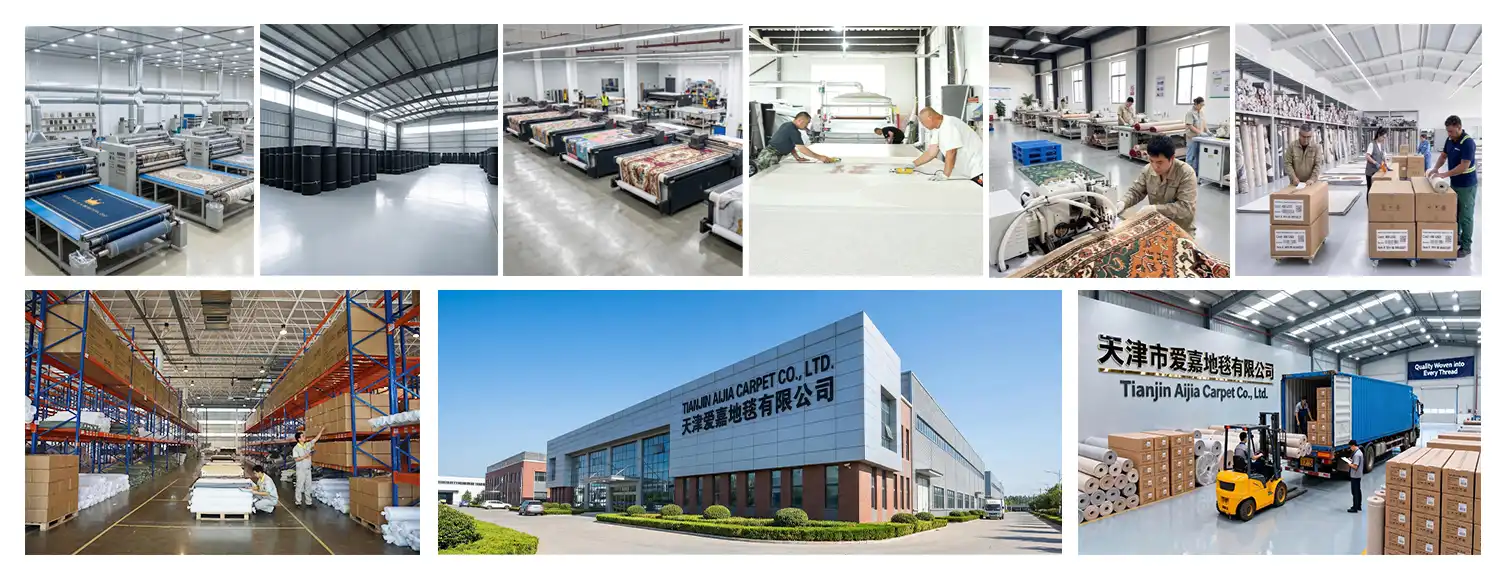
Order fulfilment reliability is based on production capabilities. Manufacturers who can turn out 10,000 square meters of goods every day can meet large volume promises without having to wait for long lead times. Just-in-time inventory methods work well with delivery windows of about seven days for orders over 2,000 square meters. This speed of production helps distributors deal with changes in seasonal demand or sudden entry into a new market. Customisation infrastructure separates flexible partners from rigid commodity providers. Facilities with heat transfer printing and laser cutting tools can handle changes in designs without having to wait for new tools to be made. Flexible minimum order numbers let you test a wide range of products before committing to deep inventory positions on SKUs that haven't been proven.
Quality Verification Standards
International certificates are an objective way to prove quality. CE marking proves that a product is legal to sell in Europe, and ISO 9001 certification shows that the company uses organised methods to control quality. OEKO-TEX Standard 100 certification ensures that there are no harmful chemicals, which helps with health and environmental issues in controlled markets. REACH compliance makes sure that chemicals sold in the European Union are safe, and EN 1350 flame retardancy ratings make sure that products meet commercial building codes. These certifications lower the risk of compliance for importers and reassure customers that the products they buy are safe. Established makers keep their certifications up to date, which makes the customs clearance and client approval processes easier.
Transaction Terms and Risk Mitigation
Payment structures that handle cash flow and protect against fraud are different depending on how old the relationship is. For first sales, we usually need deposits or letters of credit. For accounts that have been open for a while, we may be able to offer net payment terms. Before placing an order, buyers should make sure they understand what the guarantee covers and how to file a claim. Quality guarantees that cover printing accuracy, dimensional tolerances, and building flaws protect against failures at the batch level. Coordinating logistics determines how competitive the landed cost is. International buying is easier when suppliers offer export-grade packaging, optimised container loading plans, and teamwork with freight forwarders. Supporting all the necessary paperwork, like business invoices, packing lists, Indoor Living Room Area Rugs, and certificates of origin, speeds up the customs process and lowers the risk of delays and the costs that come with them.
Building Strategic Supplier Relationships
Long-term partnerships have benefits that go beyond single deals. Account managers who are dedicated to you make sure that your production schedule is prioritised and that you are informed ahead of time about material supply or production limitations. Regular participation lets people work together to create products, using information from buyers to guide new design ways. When suppliers engage in relationship infrastructure, they show that they care about both parties' success and aren't just looking for quick deals. When suppliers visit production facilities, they can see for themselves how quality control is done, what production capabilities are available, and how professionally the organization runs. This research makes buyers more confident in the reliability of the seller, especially those who have to meet large volume commitments or serve picky institutional clients.
Conclusion
Choosing the right rug for your living room is a smart way to refresh the space while also meeting realistic performance needs. In living rooms, indoor rugs help with noise reduction, floor protection, and creating a sense of space, while also having a big effect on the general design. Business-to-business buyers in this market have to find a balance between customer expectations and competitive positioning, as well as between material durability, cost-effectiveness, and the ability to make changes as needed. Modern production techniques that allow for quick customisation, consistent quality standards, and effective logistics make it possible for businesses to adapt to changing market conditions. If procurement professionals know these selection criteria and what suppliers can do, they can make smart choices that keep customers happy and help the business grow. This is true whether they are looking for supplies for retail distribution, hospitality projects, or institutional installations.
FAQ
1. What rug size works best for standard living room layouts?
Room dimensions and furniture placement determine optimal sizing. In typical living rooms with sofas and coffee tables, 8x10 or 9x12 foot rugs allow front furniture legs to rest on the rug while maintaining visual proportion. Smaller spaces accommodate 5x7 or 6x9 sizes effectively. Measuring furniture groupings before ordering prevents costly sizing errors that compromise aesthetic impact.
2. How do synthetic rugs compare to wool in commercial applications?
Synthetic materials like polyester offer superior stain resistance and lower costs compared to wool, making them practical for high-traffic retail and hospitality uses. Wool provides better natural flame resistance and longer lifespan in premium applications. The choice depends on budget constraints, traffic levels, and brand positioning within target markets.
3. Can low-pile rugs provide adequate comfort for residential use?
Modern low-pile constructions at 3mm height balance comfort with practical maintenance advantages. While lacking the plush feel of deep-pile shag rugs, short-pile options with quality backing systems deliver sufficient cushioning for typical living room activities. The imitation cashmere surface texture enhances perceived softness, bridging the comfort gap effectively.
Partner with Aijia for Your Indoor Rug Supply Needs
Tianjin Aijia Carpet Co., Ltd. brings two decades of Indoor Rugs For Living Roomspecialized manufacturing experience to B2B clients seeking reliable indoor rugs for living room applications. Our production capacity of 10,000 square meters daily ensures a consistent supply for growing distribution networks and project-based procurement. We maintain comprehensive certifications, including CE, OEKO-TEX, ISO 9001, REACH, and EN 1350, providing the compliance documentation your markets demand. Flexible customization supporting any size, color, or logo requirement enables private label programs and branded solutions. As an established indoor rug manufacturer for the living room, we offer competitive factory-direct pricing with flexible minimum order quantities that accommodate both market testing and scaled commitments. Contact our team at sales@aijiarug.com to discuss your specific requirements and receive detailed quotations tailored to your business objectives.
References
1. Miller, J. and Thompson, R. (2022). Commercial Flooring Solutions: Material Selection for High-Traffic Environments. Interior Design Publishing Group.
2. Chen, L. (2023). Textile Manufacturing Quality Standards: ISO Compliance in Carpet Production. International Textile Journal, Vol. 47, Issue 3.
3. Anderson, K. (2021). Procurement Strategies for Import Businesses: Managing International Supply Chains. Global Trade Press.
4. Roberts, M. (2023). Sustainable Materials in Interior Design: Balancing Performance and Environmental Impact. Green Building Institute.
5. Williams, S. and Davis, P. (2022). Hospitality Design Trends: Flooring Choices for Modern Hotel Spaces. Hospitality Architecture Quarterly.
6. Zhang, W. (2023). Export Manufacturing Excellence: Quality Control Systems in Chinese Textile Factories. Asian Manufacturing Review, Vol. 15, No. 2.
Request fast quotes for bulk carpets, OEM & ODM floor mats, supported by strict quality control and complete supply chain.