- English
- French
- German
- Portuguese
- Spanish
- Russian
- Japanese
- Korean
- Arabic
- Greek
- German
- Turkish
- Italian
- Danish
- Romanian
- Indonesian
- Czech
- Afrikaans
- Swedish
- Polish
- Basque
- Catalan
- Esperanto
- Hindi
- Lao
- Albanian
- Amharic
- Armenian
- Azerbaijani
- Belarusian
- Bengali
- Bosnian
- Bulgarian
- Cebuano
- Chichewa
- Corsican
- Croatian
- Dutch
- Estonian
- Filipino
- Finnish
- Frisian
- Galician
- Georgian
- Gujarati
- Haitian
- Hausa
- Hawaiian
- Hebrew
- Hmong
- Hungarian
- Icelandic
- Igbo
- Javanese
- Kannada
- Kazakh
- Khmer
- Kurdish
- Kyrgyz
- Latin
- Latvian
- Lithuanian
- Luxembou..
- Macedonian
- Malagasy
- Malay
- Malayalam
- Maltese
- Maori
- Marathi
- Mongolian
- Burmese
- Nepali
- Norwegian
- Pashto
- Persian
- Punjabi
- Serbian
- Sesotho
- Sinhala
- Slovak
- Slovenian
- Somali
- Samoan
- Scots Gaelic
- Shona
- Sindhi
- Sundanese
- Swahili
- Tajik
- Tamil
- Telugu
- Thai
- Ukrainian
- Urdu
- Uzbek
- Vietnamese
- Welsh
- Xhosa
- Yiddish
- Yoruba
- Zulu
Upgrade Your Entrance with Anti-Scratch Jute Indoor Door Mat
Selecting the right indoor entrance mat goes beyond aesthetics—it's a strategic decision affecting durability, safety, and brand impression. A Jute Indoor Door Mat combining anti-scratch properties with eco-conscious design offers procurement managers and distributors a solution that meets both performance and sustainability standards. This natural fiber option, enhanced with modern surface treatments and backing technologies, serves high-traffic commercial and residential environments while aligning with green procurement policies. Understanding the technical attributes, maintenance requirements, and sourcing considerations enables informed decisions that balance cost efficiency with long-term value. This guide addresses the specific needs of international distributors, e-commerce sellers, and commercial project buyers seeking reliable, customizable entrance solutions.
Understanding the Advantages of Anti-Scratch Jute Indoor Door Mats
When it comes to business-to-business transactions, natural fibre entrance mats are gaining popularity. However, in order to fully comprehend the advantages of jute-based options, it is necessary to examine the composition of their materials and the efficiency with which they function. In order to give the impression that they are made of jute, contemporary indoor jute mats are constructed using imitation sisal, which is often composed of high-density polyester fibre. This construction allows the mats to last longer and reduces the likelihood that they will get wet.
Superior Scratch Resistance for High-Traffic Environments
The ability to avoid scratches is a result of the use of sophisticated surface treatment and fibre engineering. In place of natural fibre mats, which tend to shed or break down when subjected to harsh conditions, doormats that are professionally created are woven using a high-density machine at a rate of one thousand grams per square metre. This amount of construction density results in a surface that is robust enough to withstand frequent foot activity without causing any damage to the fibres. Edge-locking, which has a width of 0.6 centimetres, prevents fraying and maintains the structure's strength, even in challenging commercial environments such as hotel halls, office buildings, and shop entrances.
Eco-Friendly Appeal with Practical Performance
It is the fact that these mats are beneficial to the environment that makes them appealing to procurement teams that are concerned about the environment. The material has an earthy appearance and seems to be natural jute. The material, which is similar to sisal, is waterproof, which is something that natural fibres are unable to replicate. One of the most prevalent challenges in procurement is finding a way to strike a balance between environmental responsibility and practical requirements. Because the TPR detachable foundation eliminates the plasticisers and hazardous chemicals that are often included in PVC backings that are less expensive, the device is even more environmentally friendly than it already was. This ensures that it complies with REACH regulations and is compliant with OEKO-TEX requirements.
Enhanced Safety Through Non-Slip Engineering
A lot of business mats are bought because of safety rules and liability worries. The TPR backing technology has two benefits: it gives the carpet a better grip on different types of floors and makes it easy to clean. This thermoplastic rubber base has a high coefficient of friction and doesn't change the color of the floor or react chemically with hardwood or luxury vinyl plank floors. The 1cm thick profile makes sure that the door has enough space to open and close, and it has enough cushioning to prevent slipping, which meets ASTM D2047 requirements for commercial safety standards.
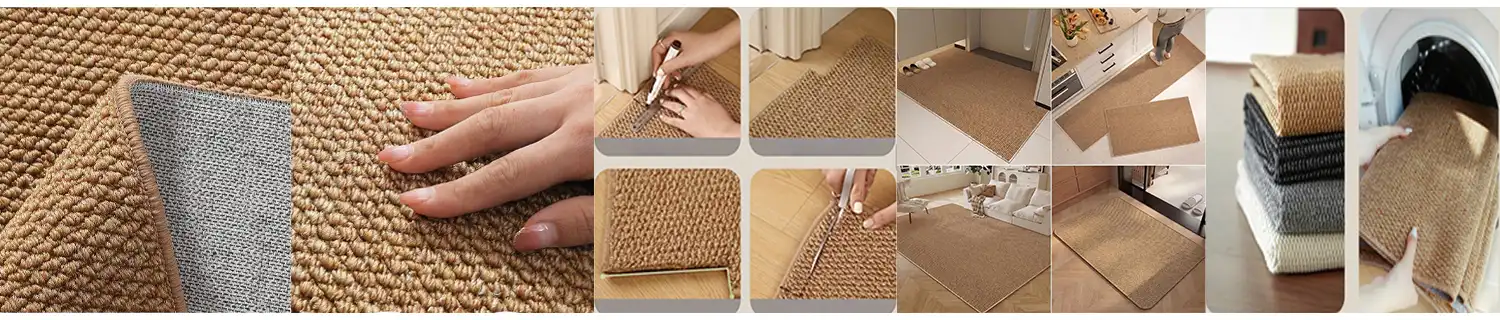
How to Maintain and Clean Your Anti-Scratch Jute Indoor Door Mat
The total cost of ownership for Jute Indoor Door Mat entrance mats is directly affected by how they are maintained. This makes cleaning procedures an important thing to think about when buying them. The surface treatment that makes it stain-resistant is applied during manufacturing. This makes maintenance easier and extends the product's life, which lowers the need for replacement and the costs that come with it.
Daily and Weekly Maintenance Protocols
Regular vacuuming gets rid of dirt and dust on the surface before they get deep into the fibers. The high-density weave pattern successfully traps dirt but easily releases it when suctioned, which is not the case with loop-pile designs that hold dirt. Deeper bits can be removed once a week by shaking or hitting the mat, which is easy to handle because it can be folded up. Professional extraction cleaning every three months is best for commercial settings. Mild detergent solutions are used to protect the stain-resistant layer without affecting the structure of the fibers.
Machine Washing Capabilities and Guidelines
This type of product is different from natural fiber mats that break down when they get wet because the TPR base can be washed. When you wash the mat in a machine at temperatures below 30°C (86°F), the dimensions stay the same, and the surface is thoroughly cleaned. Color fastness and surface treatments are better preserved when you stay away from harsh chemicals or products that contain bleach. Heat-related shrinking can't happen when you dry something in the air, but the waterproof material makes drying faster than with cotton or microfiber.
Long-Term Care for Commercial Applications
In high-traffic areas, rotation schedules make mats last longer. Having two or three mats at each door lets you wash them every so often without leaving the entrances vulnerable. The standard of 1 kg per square meter makes it easier to handle while rotating. Keeping track of cleaning cycles helps building managers follow the rules and shows stakeholders that repairs are being done proactively. The design is easy to maintain, which lowers the cost of labor for entrance care, which helps the cost-performance analysis.
Making the Right Procurement Decision: Jute Indoor Door Mats for B2B Clients
When you do strategic buying, you have to look at more than just the unit price. To make sure long-term partnerships work, procurement pros have to compare product specs to application needs, supplier skills, and legal compliance needs.
Critical Evaluation Criteria for Bulk Orders
Test results for durability give objective information about performance. Asking for proof of tuft bind strength makes sure that fibers stay in place even when foot traffic shears them. Colorfastness certificates prove that colors won't fade in environments that are exposed to the sun. This is especially important for stores with glass doors. Fire safety rules, specifically EN 1350 ratings, must be followed for commercial and hospitality real estate projects. Suppliers who offer 100% pre-shipment review show they care about quality, which lowers the number of rejections and the cost of repairs.
Customization Capabilities and Lead Time Considerations
Flexible OEM and ODM services for Jute Indoor Door Mat let distributors and store chains set their brands apart. Customizing logos through heat transfer printing lets brands be shown accurately without having to meet a minimum order quantity, which is something that smaller businesses can't do. Customizing the size takes into account the individual architectural needs of business projects. Production capacity indicators, like the ability to produce 10,000 square meters per day, show that the company can handle large orders in a short amount of time. Sample response times of 24 to 48 hours help with quick decision-making, which is important for project-based buying.
Supplier Reliability and Logistics Infrastructure
Export-standard packaging choices, such as roll packaging, box packaging, or woven bag designs, keep goods safe while they're traveling across borders and make it easier to load containers. Freight forwarding relationships and customs clearance expertise that have been in place for a while keep port delays from stopping the supply chain. Certifications like ISO 9001, CE marking, and OEKO-TEX verification show that the manufacturing process is mature and that the company is aware of the rules. Long-term supplier ties, like having worked with the same supplier for 20 years, offer security that younger makers can't promise.
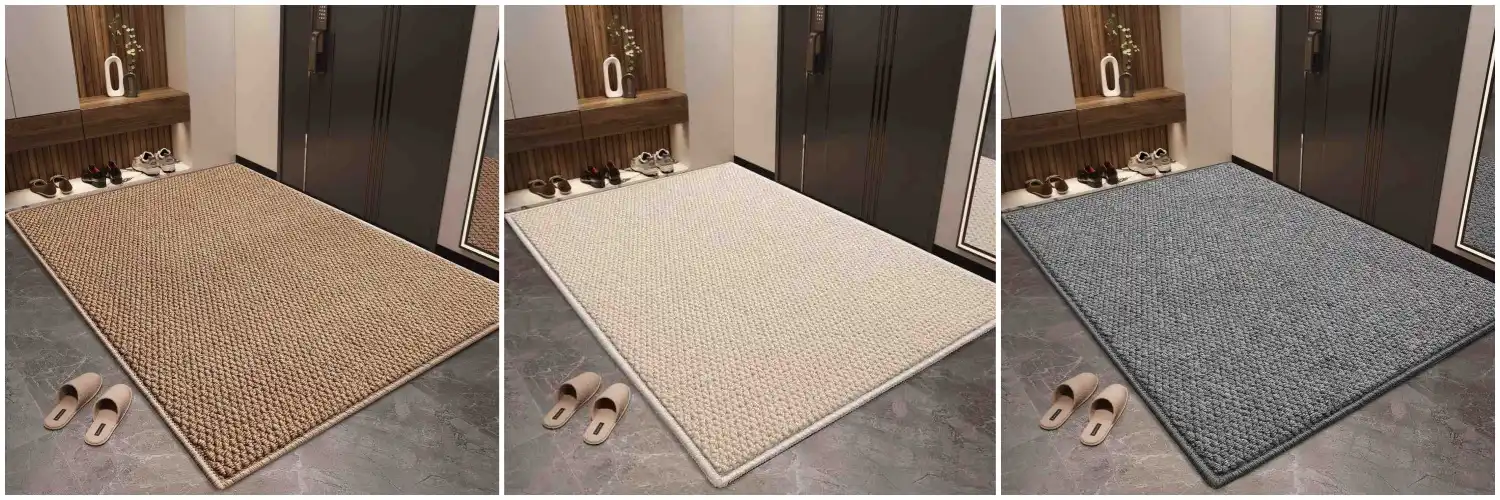
Why Choose Anti-Scratch Jute Door Mats? A Rational Choice for Modern Entrances
When you use traditional entrance solutions, you often have to choose between how they look, how well they work, and how they affect the environment. Modern indoor entrance mats get rid of these problems by using new materials and making them with great care.
Addressing Common Limitations of Conventional Mats
Synthetic rubber mats often don't look good enough to be used in places where customers will see them. Natural coir mats lose their fibers quickly, which makes them more difficult to clean and maintain. Cotton-based absorbent mats need to be washed and dried more often, which makes business operations more difficult. The hybrid method, which combines the look of natural fibers with the function of synthetic fibers, meets all of these different needs. The ability to fight scratches and tears makes it especially useful in places that allow pets and in homes, where durability concerns usually rule out natural fiber choices.
Supporting Corporate Sustainability Initiatives
More and more, environmental, social, and governance factors affect buying decisions in all kinds of industries. By choosing entry mats that meet OEKO-TEX textile safety standards and REACH chemical limits, we can see real progress toward our sustainability goals. The waterproof feature makes the product last longer, which reduces waste compared to options that get ruined by water and need to be replaced too soon. The fact that polyester fiber parts can be recycled and TPR backing doesn't contain phthalates supports the circular economy principles that stakeholders are expecting more and more.
Versatility Across Application Fields
Multi-scenario suitability makes it easier for distributors to manage their inventory when they have a lot of different customers. The same product specification can be used in mudrooms for homes, hotel lobbies, office building lobbies, store entrances, exhibition spaces, and commercial project sites. This flexibility makes it easier to decide what to buy and cuts down on the number of SKUs that make stock management harder. The ability to fold up for storage helps with yearly changes in demand that happen in the event and hotel industries, where the need for entrance mats changes based on how many people are using the space.

Conclusion
Modern entrance solutions like Jute Indoor Door Mat need to be durable, look good, be safe, and be good for the environment. Anti-scratch indoor mats meet these needs by using new materials and making them with great care. When you put together the fake sisal surface texture, stain-resistant treatment, TPR washable backing, and full customization services, you get a great deal for B2B procurement professionals. Knowing how to do maintenance, what to look for in a supplier, and what they can do helps you make strategic sourcing decisions that will deliver long-term performance and satisfy all stakeholders. The ability to be used in residential, commercial, and hospitality settings makes inventory management easier and meets the needs of a wide range of clients.
FAQ
1. How does durability compare between natural jute and imitation sisal construction?
Real natural jute has a nice texture, but it breaks down when it gets wet, so it can't be used in wet areas inside. It looks like sisal, but it's actually made of high-density polyester fiber, which makes it waterproof and resistant to mold and mildew. The density of 1000g/m³ makes sure that the structure is as strong as or stronger than natural options, and that the dimensions stay the same after washing.
2. What cleaning methods maintain product longevity without surface damage?
Regular cleaning gets rid of surface dirt well. When you wash something in a machine at temperatures below 30°C, the stain-resistant treatments and TPR backing stay intact. Staying away from chlorine bleach and strong alkaline cleaners keeps fibers from discoloring and breaking. Air drying keeps the measurements accurate, but because it's waterproof, it evaporates water faster than natural fibers that soak it up.
3. What customization options exist, and what are typical bulk order lead times?
OEM and ODM services let you choose where to put your logo, make it bigger or smaller than the standard size, and pick out specific colors from solid color palettes. Heat transfer printing lets you show off your brand in great detail. With a daily production capacity of 10,000 square meters, big orders can be filled. Samples are made in 24 to 48 hours, and large orders under 2,000 square meters usually ship in seven days, though this depends on how complicated the customization is and how long the order queue is.
Partner with Aijia for Your Jute Indoor Door Mat Supply Needs
Aijia is a specialized manufacturer that has been making carpets for 20 years. They offer reliable entrance mat solutions that meet strict quality standards to international distributors and online sellers. Our factory in Tianjin, which is known as the carpet production hub, offers open MOQ terms, quick samples, and full OEM customization for brand, size, and color requirements. Compliance certifications like CE, OEKO-TEX, ISO 9001, REACH, and EN 1350 make sure that goods can easily pass through customs in all major markets around the world. Our export team takes care of optimizing containers and paperwork, which makes logistics easier for our partners overseas. Whether you need standard supplies that can be restocked quickly or custom-designed mats for branded store programs, our production capacity and quality control systems make sure that you always get what you need on time. Email our sales team at sales@aijiarug.com to talk about your particular entrance mat needs, get technical specs, or set up a free evaluation. Aijia is a trusted Jute Indoor Door Mat supplier for discerning B2B clients around the world because of its dependability and ability to customize.
References
1. Johnson, M. & Williams, R. (2021). Commercial Entrance Systems: Material Selection and Performance Analysis. Facility Management Press.
2. Chen, L. (2022). "Sustainable Textile Solutions in Hospitality Design." International Journal of Green Building Materials, 15(3), 234-251.
3. Thompson, K. et al. (2020). Floor Safety Standards and Slip Resistance Testing: A Procurement Guide. Commercial Safety Institute.
4. Martinez, S. (2023). "Natural Fiber Alternatives in Modern Interior Applications." Textile Innovation Quarterly, 28(2), 89-107.
5. European Committee for Standardization (2019). EN 1350: Textile Floor Coverings - Assessment of Fire Performance. CEN Publishing.
6. Global Procurement Network (2022). B2B Sourcing Strategies for Home Textile Importers: Quality, Compliance, and Supply Chain Management. International Trade Publications.
Request fast quotes for bulk carpets, OEM & ODM floor mats, supported by strict quality control and complete supply chain.