- English
- French
- German
- Portuguese
- Spanish
- Russian
- Japanese
- Korean
- Arabic
- Greek
- German
- Turkish
- Italian
- Danish
- Romanian
- Indonesian
- Czech
- Afrikaans
- Swedish
- Polish
- Basque
- Catalan
- Esperanto
- Hindi
- Lao
- Albanian
- Amharic
- Armenian
- Azerbaijani
- Belarusian
- Bengali
- Bosnian
- Bulgarian
- Cebuano
- Chichewa
- Corsican
- Croatian
- Dutch
- Estonian
- Filipino
- Finnish
- Frisian
- Galician
- Georgian
- Gujarati
- Haitian
- Hausa
- Hawaiian
- Hebrew
- Hmong
- Hungarian
- Icelandic
- Igbo
- Javanese
- Kannada
- Kazakh
- Khmer
- Kurdish
- Kyrgyz
- Latin
- Latvian
- Lithuanian
- Luxembou..
- Macedonian
- Malagasy
- Malay
- Malayalam
- Maltese
- Maori
- Marathi
- Mongolian
- Burmese
- Nepali
- Norwegian
- Pashto
- Persian
- Punjabi
- Serbian
- Sesotho
- Sinhala
- Slovak
- Slovenian
- Somali
- Samoan
- Scots Gaelic
- Shona
- Sindhi
- Sundanese
- Swahili
- Tajik
- Tamil
- Telugu
- Thai
- Ukrainian
- Urdu
- Uzbek
- Vietnamese
- Welsh
- Xhosa
- Yiddish
- Yoruba
- Zulu
What is Uses of Kitchen Anti Skid Mat?
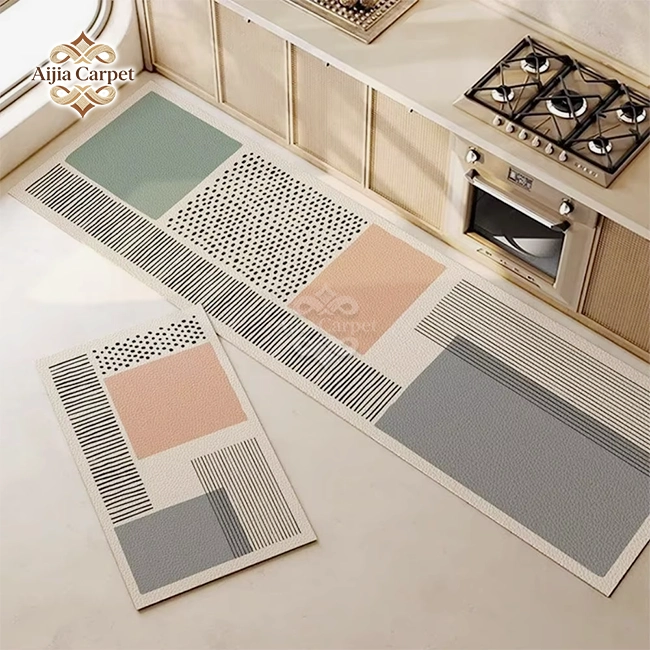
Kitchen Anti Skid Mat serves as a vital safety and operational solution across residential and commercial environments, particularly in areas prone to water splashes, grease, and foot traffic. These specialised mats provide slip resistance, floor protection, and ergonomic comfort. In commercial kitchens—including restaurants, hotels, and food processing facilities—they reduce workplace accidents by creating stable footing near dishwashing stations, prep zones, and high-traffic aisles. For residential use, these mats safeguard families from slips near sinks and stoves. Beyond safety, these floor coverings extend the lifespan of underlying surfaces, absorb water quickly, and support easier cleaning routines, making them indispensable for buyers seeking reliable, durable, and hygienic flooring solutions.
Introduction
Not only is keeping the kitchen safe a choice, but it's also your duty. If you're in charge of a busy hotel kitchen or the back of a store, slip dangers are very bad for the health and safety of your staff and the store's ability to stay open. Kitchen anti-skid mats have become a main defence against accidents, insurance claims, and expensive downtime.
This guide shows people who buy things, sell things online, and work in buying the most important things about kitchen mats that won't slip. We'll talk about what these goods are, their many benefits, how to choose them based on safety standards, best practices for upkeep, and things to think about when choosing a supplier. Our goal is to give people who make decisions the information they need to find high-performance mats that fit their budgets, meet safety standards, and meet the needs of real life.
What Is a Kitchen Anti-Skid Mat?
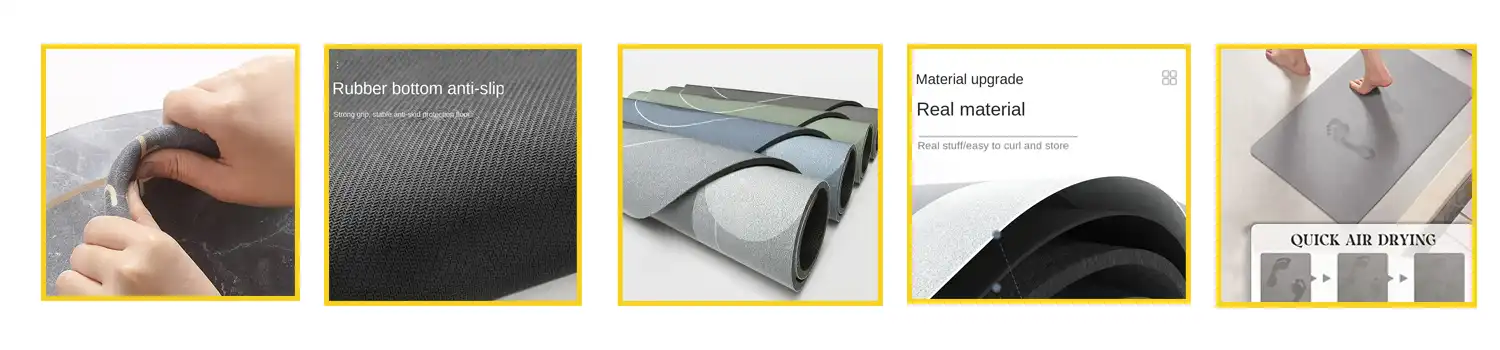
It is designed so that accidents are less likely to happen in wet, dirty, or busy areas like the kitchen, where kitchen anti-skid mats are used as floor covers. Their main feature is higher friction, which is achieved by the materials they are made of, the way they are textured on the outside, and the technology used for the base.
Material Composition and Construction
Modern mats have many layers that work together to make them safe and long-lasting. The surface is usually made of tech silk or diatom mud, which are both soft and porous. A foamed rubber layer in the middle cushions you, and a rough rubber base keeps the mat in place on tile, vinyl, or concrete floors. With a mass of about 1600 grams per square meter, the building will not bend, even if people walk on it all the time. This stacked design strikes a good mix between comfort, stability, and long-term performance without affecting the strength of the floor.
Surface Treatment and Anti-Slip Technology
Surface solutions are very important for how well something works. Oils and food leftovers don't stick to anti-stain coats, which makes cleanup easier. Textures that don't slip raise the coefficient of friction, which makes it safer to move around even when it's wet. The ability to dry quickly keeps water from pooling, which is important for keeping cleanliness standards and stopping the growth of microbes. These treatments must not break down even after being washed many times and exposed to professional cleaning products. This is proven by strict quality control.
Compatibility with Common Flooring
Picking a mat that works with your floor type will keep it from getting damaged and keep it working well. Rubber-backed mats don't leave marks or change the colour of tile or vinyl when they're removed. When buying wooden or high-end vinyl, buyers should make sure that the backing doesn't have any harsh chemicals that could damage protected finishes. If you choose the right mats, they will protect your expensive floors and keep you from slipping in a variety of kitchen plans.
Uses and Benefits of Kitchen Anti-Skid Mats in Commercial Settings
In commercial restaurants, problems need to be solved that affect many operations at the same time. You can measure the value of kitchen anti-skid mats by how well they improve safety, upkeep, and staff health.
Enhancing Workplace Safety
One of the most common types of accidents at work in food service is slipping and falling. Accidents happen much less often when mats are put at cleaning stations, fryer areas, and entry places. Mats with high friction rates meet or go beyond safety standards, which lowers your risk of responsibility and your insurance costs. This proactive method keeps workers safe and improves the reputation of the business.
Protecting Flooring from Wear and Tear
High-traffic areas have floors that wear out faster because people are always moving, equipment is dropped, and the floors are exposed to moisture. Mats protect against damage by absorbing impact and keeping surfaces from getting scratched or stained. By making floors last longer, these mats lower the cost of replacement and cut down on the time that is needed for fixes or upgrades. For businesses with a lot of work, the return on investment is clear within a few months.
Providing Ergonomic Support
Staff members often have to stand for long shifts, which makes them tired, uncomfortable, and less productive. Cushioning from foamed rubber cores in mats keeps joints and muscles from getting tired. This physical benefit leads to higher happiness, fewer employees leaving, and more efficient work. Putting the health and happiness of employees first by choosing the right mats is both the right thing to do and gives buying teams a competitive edge.
Contributing to Kitchen Hygiene
In places where food is prepared, cleanliness is a must. Mats with soft surfaces and drainage holes keep water from building up, which lowers the risk of germ growth. Materials that are easy to clean can handle being cleaned many times without losing their strength. Mats that dry quickly between cleanings keep the area clean, which helps businesses follow health department rules and protects their image.
How to Choose the Best Kitchen Anti-Skid Mat – A Procurement Guide?
To find the right kitchen anti-skid mat, you have to make sure that the product specs match your working needs, safety standards, and budget. Buyers need to think about a few important things.
Evaluating Slip Resistance Certification
Look for mats that have been tried and approved for their coefficient of friction. Slip resistance ability can be measured by standards like ASTM D2047. Certifications like OEKO-TEX make sure that dangerous chemicals are not present, and CE marking makes sure that the product meets the safety standards of the European Union. These qualifications give people confidence that the product will do what it says it will do and meet the rules in the places it is meant for.
Assessing Durability and Material Suitability
Durability depends on the quality of the materials used and how they are built. Tech silk surfaces with a high density don't stick or tear easily. Even after hundreds of washes, the rubber backing with a rough grip stays in place. Laser-cut edges keep things from breaking and make them last longer. Before placing a large order, buyers should ask for samples to check the thickness, weight, and strength under realistic use circumstances.
Comparing Material Types
Each type of material has its own benefits. Silicone mats are great for places near ovens because they are flexible and don't melt in hot weather. For light-duty uses, PVC choices are affordable and last a reasonable amount of time. Brands that care about the environment, like natural rubber, as an option. Diatom mud surfaces are great because they soak water very well and dry quickly, making them perfect for wet areas like laundry stations. When these trade-offs are taken into account, the right material is chosen to meet the needs of the process.
Tailoring Size and Shape to Kitchen Zones
Standard sizes work for many uses, but special sizes get the best coverage and value for money. Don't leave holes in your measurements of high-risk areas, like kitchen slip-resistant mat placement; they could put people in danger. Laser cutting makes it possible to make irregular forms that fit around equipment or around corners, making the most of the room on the floor. Flexible ordering cuts down on waste and makes sure that mats fit in with current plans without any problems.
Analysing Total Cost of Ownership
The initial buying price is only a small part of the total cost. Think about how much it will cost to maintain, how often it needs to be replaced, and how much you could save by preventing crashes and floor damage. Mats that last longer and need less cleaning are more valuable in the long run. You can get better prices and keep the same quality by negotiating bulk buying agreements and private label choices.
Maintenance and Safety Tips for Kitchen Anti-Skid Mats
With the right care, kitchen anti-skid mats last longer and maintain their safety performance. Structured maintenance procedures should be put in place by buyers and building managers.
Cleaning Methods and Frequency
How often you clean depends on how much you use it. Commercial kitchens with a lot of foot traffic should rinse their dishes every day to get rid of food bits and grease. This process is easier if the mats can be washed in a machine, but buyers should make sure that the temperature and soap are compatible. If you have to clean your mats by hand, use light soaps and avoid rough scrubbers that damage the surface. Cleaning it often keeps dirt from building up, which lowers friction and makes it easier to slip.
Strategic Placement and Inspection
Put mats where people are most likely to slip, like near sinks, work areas, and doors. Make sure the mats sit flat and don't have ends that curl up, which can cause people to trip. Check once a week to find wear patterns, tears, or backing that is wearing away. Moving mats from one zone to another evens out wear and tear and increases their total life. To keep safety standards, replace mats that are seriously worn down.
Addressing Common Misconceptions
Some people think that any mat will keep them from slipping, but the usefulness depends a lot on the shape and material of the mat. People who say surfaces are "waterproof" should be cautious because most mats are only water-resistant and not fully waterproof. Also, cleaning rubber backings the wrong way with strong chemicals can damage them and make them less gripping. Teaching staff the right way to give care stops failing before it happens and increases the return on investment.
Top Kitchen Antiskid Mat Solutions and Suppliers for B2B Procurement
Finding dependable providers is important for getting good items at reasonable prices and reliable service. Buyers should give more weight to makers with a history of success.
Selecting Reputable Manufacturers
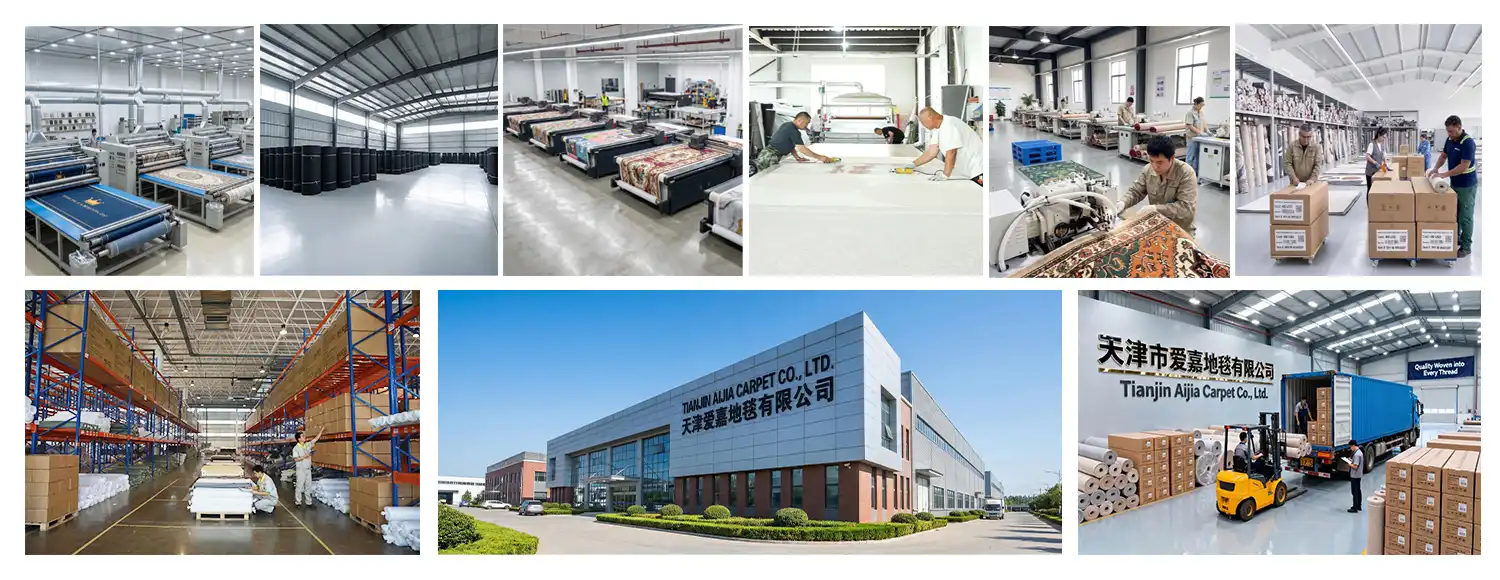
Tianjin Aijia Carpet Co., Ltd. is a reliable company that has been making kitchen anti-skid mats and kitchen non-slip mats for more than 20 years. Aijia is in the centre of China's carpet production industry. It has infrastructure that is designed to support exports and a lot of approvals, such as CE, OEKO-TEX, ISO 9001, REACH, and EN 1350. These qualifications show that you care about quality, safety, and being good to the world. Aijia can make up to 10,000 square metres of goods every day, so they can always meet the needs of big projects and returning customers.
Leveraging Customisation and OEM Services
Customisation is what sets top providers apart from commodity vendors. Aijia provides full OEM and ODM services, which let wholesalers put out their own brand-name goods with custom colours, patterns, names, and sizes. Any design can be used with heat transfer printing, and laser cutting can work with odd forms. Small online stores trying out new goods and big distributors filling container loads can both use flexible minimum order quantities. Because of this, Aijia is a great partner for a wide range of business methods.
Evaluating Delivery and Logistics Support
On-time delivery saves cash flow and keeps you from running out of stock. Aijia's efficient production process gets orders smaller than 2,000 square meters to customers in about seven days. Professional export-grade packing keeps items dry and safe during transport, and the best way to load containers lowers the cost of sending each item. Strong relationships with freight forwarders allow for manageable wait times and easy customs clearance, which cuts down on port delays. These logistical benefits mean that foreign buyers can keep track of their goods more easily and keep their customers happy.
Negotiating Bulk Purchasing Agreements
Structured buying deals help buyers who buy a lot of things save a lot of money. When you make long-term agreements with providers, you can often get better prices, faster production schedules, and dedicated account management. After the sale, suppliers like Aijia offer support services such as quality promises, free rework for mistakes, and regular style improvement ideas. Rather than business connections, building strategic partnerships makes the supply chain more resilient and helps you stand out from the competition.
Conclusion
Kitchen anti-skid mats are a smart investment that pays off in many ways, including safety, working efficiency, and cost control. Procurement workers can make choices that are in line with the organisation's goals when they know about the properties of materials, how they can be used, and how to choose the right ones. Product performance and worth are also increased by regular maintenance and working together with the provider. Prioritising quality and dependability pays off in the long run for both businesses and end users, whether you're filling an e-commerce store, a hotel kitchen, or a commercial project.
FAQ
1. What realistic slip prevention can I expect from these mats?
Good kitchen anti-skid mats make it much less likely that someone will slip, but they don't completely remove the risk. If a mat meets the ASTM D2047 guidelines and has a coefficient of friction above 0.60, it will grip wet surfaces very well. Effectiveness depends on where it's put, how often it's cleaned, and when it's replaced when it starts to wear out.
2. How do I determine optimal mat sizing for different kitchen areas?
Check out high-risk areas like the edges of sinks, the fronts of stoves, and the main paths. Mats should cover these places fully, with no edges that could cause people to trip. Customising sizes with companies like Aijia ensures a perfect fit, which increases safety while reducing waste.
3. Are eco-friendly materials as durable as traditional rubber?
When made correctly, modern eco-friendly choices like natural rubber and diatom mud are just as durable as manmade materials. Quality approvals and high-density building both point to strong performance. Before placing a big order, ask for samples and read the guarantee terms to make sure the claims of longevity are true.
Partner with Aijia for Premium Kitchen Anti Skid Mat Solutions
Picking the right Kitchen Anti Skid Mat maker is the first step to making the kitchen safer. Aijia Carpet has 20 years of experience, many licenses, and can be easily changed to fit your specific buying needs. Our high-density tech silk mats with rubber backing are very effective at preventing slips, drying quickly, and lasting a long time. Our team can help you with everything, from samples to delivery, whether you need private label production, unique designs, or large orders that need to be filled quickly. Get in touch with our purchasing agents at sales@aijiarug.com to get samples, talk about bulk prices, and find out how Aijia's proven quality and dependable logistics can protect your customers and improve your supply chain.
References
1. Smith, J. & Thompson, R. (2021). Slip Resistance Standards in Commercial Kitchen Environments. Journal of Occupational Safety, 45(3), 112-128.
2. National Floor Safety Institute. (2020). Guide to Selecting Anti-Slip Flooring Solutions for Food Service Operations. NFSI Publications.
3. Chen, L. (2022). Material Science in Non-Slip Mat Manufacturing: A Comparative Analysis. International Textile Research Journal, 38(2), 204-219.
4. European Committee for Standardization. (2019). EN 1350: Flame Retardant Requirements for Textile Floor Coverings. CEN Technical Report.
5. Williams, M. (2023). Ergonomics and Workplace Safety in High-Volume Kitchens. Food Service Management Quarterly, 17(1), 88-103.
6. Global Procurement Standards Board. (2021). Best Practices for B2B Sourcing of Safety Equipment in Commercial Settings. GPSB White Paper Series.
Request fast quotes for bulk carpets, OEM & ODM floor mats, supported by strict quality control and complete supply chain.